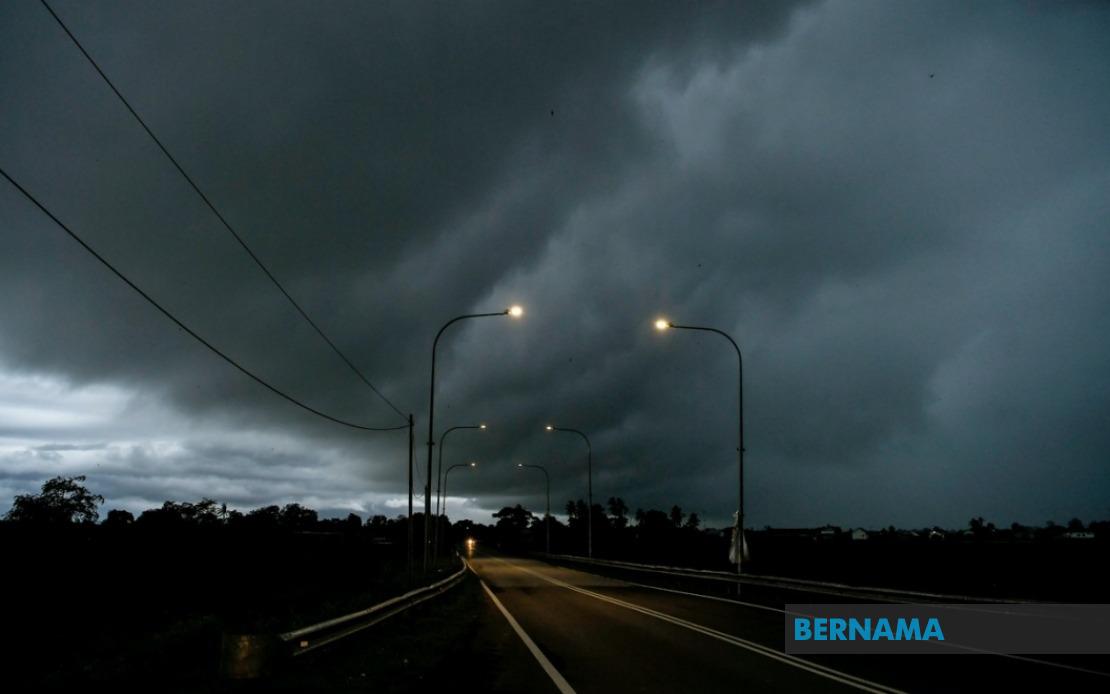
Malaysia's meteorological agency has activated a region-wide alert as unpredictable atmospheric conditions threaten multiple districts across the nation. The Malaysian Meteorological Department issued an urgent notice flagging the risks of thunderstorms, substantial precipitation, and hazardous gusts across ten states, with the warning remaining in force until the evening hours.
The alert paints a significant weather footprint stretching from the northern peninsula through to East Malaysia. In the northern region, Perlis faces the full extent of the warning, whilst Kedah's exposure is confined to six districts: Padang Terap, Kuala Muda, Sik, Baling, Kulim and Bandar Baharu. Perak's vulnerability encompasses a broader zone, encompassing Kerian, Larut, Matang and Selama, Hulu Perak, Kuala Kangsar, Kinta, Kampar, Batang Padang and Muallim.
Moving eastward, the warning extends across substantial portions of the peninsula's east coast. Kelantan residents in Pasir Mas, Jeli, Tanah Merah, Machang, Pasir Puteh, Kuala Krai and Gua Musang should exercise caution, whilst Terengganu faces comprehensive coverage under the advisory. Pahang's inland and coastal districts remain under observation, including Cameron Highlands, Lipis, Raub, Jerantut, Bentong, Kuantan, Pekan and Rompin.
Central peninsula coverage is minimal, with only Hulu Selangor in Selangor designated as affected. However, the southern tip registers considerable exposure, with Johor's Batu Pahat, Kluang, Mersing, Pontian, Kulai, Kota Tinggi and Johor Bahru all falling within the warning zone. This extensive southern belt warrants particular attention given the region's vulnerability to flash flooding and disrupted transportation networks.
The warning's reach extends to Sarawak, where coastal and interior districts face heightened risk. Affected areas encompass Kuching's subdivisions including Bau and Kuching proper, Betong's Saratok and Kabong, Sarikei, Sibu covering both Sibu and Selangau, Mukah, Bintulu, and Miri's diverse zones encompassing Subis, Beluru, Miri and Marudi. Limbang rounds out Sarawak's affected localities.
Sabah's weather outlook equally demands attention across four broad zones. The Interior region's vulnerable districts include Sipitang, Tenom, Kuala Penyu, Beaufort and Tambunan, alongside the West Coast division. Sandakan's Beluran and Kudat complete the state's affected areas. This geographic spread across both Malaysian regions underscores the scale of the atmospheric disturbance.
For Malaysian citizens and businesses operating across these districts, the warning carries immediate practical implications. Commuters should anticipate potential delays on roadways, particularly in areas prone to waterlogging and reduced visibility. Outdoor activities, construction projects, and maritime operations warrant postponement or enhanced safety protocols. Agricultural stakeholders face both opportunities and risks—whilst substantial rainfall may benefit certain crops, severe wind gusts and flooding present hazards to vulnerable plantations and structures.
The meteorological department's specificity in identifying affected districts enables local authorities to concentrate resources on the most threatened areas. Municipal councils can pre-position drainage equipment and emergency response teams, whilst transportation authorities can alert drivers and adjust traffic management strategies. Schools and public institutions benefit from targeted preparation guidance.
Citizens residing in the designated zones should remain alert to rapidly evolving conditions. Securing loose outdoor items, ensuring drainage channels are clear, and maintaining charged communication devices represent prudent precautions. Vulnerable populations including the elderly and those with mobility challenges warrant special consideration, with family members and community leaders encouraged to check on their welfare.
The comprehensive geographic span of this warning—encompassing northern, central, eastern, southern and East Malaysian territories—reflects the scale and intensity of the meteorological system affecting the nation. Whilst such weather patterns are seasonal phenomena, the accumulated effect across multiple states simultaneously can strain emergency response capabilities and infrastructure resilience, particularly where consecutive wet periods concentrate within short timeframes.

