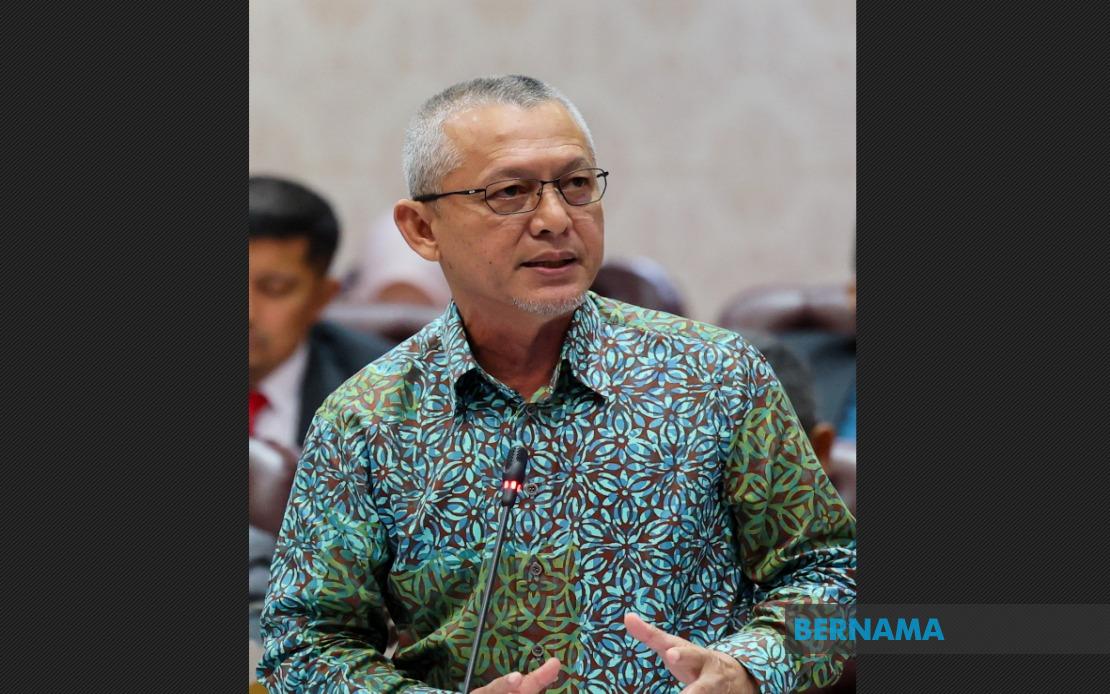
Three senior figures in Terengganu's Parti Pribumi Bersatu Malaysia (Bersatu) chapter have stepped down from their leadership positions, marking another episode of internal reshuffling within the party structure in the northeastern state. Datuk Razali Idris, who leads the Terengganu branch, submitted his resignation letter to national president Tan Sri Muhyiddin Yassin on July 16, along with notices to relinquish his other party roles. The move comes as Bersatu continues to navigate organisational challenges across its state divisions.
Razali holds the position of Terengganu State Executive Council member, a significant administrative post that places him at the intersection of party and state government operations. Despite submitting his resignation nearly a month before his public announcement, he indicated that party headquarters had not yet formally acknowledged or ruled on his resignation request. This delay in processing his withdrawal suggests potential complications within the party's central administrative apparatus, or possibly indicates reluctance at higher levels to accept the departure of an established state leader.
In a staggered approach to his exit, Razali indicated plans to resign as Marang Bersatu division chief midway through August, citing the need to complete outstanding administrative tasks before formally stepping away from that specific responsibility. This phased withdrawal strategy appears designed to ensure continuity in operations and suggests that while his decision to leave leadership positions is firm, he is seeking to manage the transition period methodically. The measured pace of his departure contrasts with the more immediate resignations announced by his two colleagues.
Telemong state assemblyman Mohd Zawawi Ismail has relinquished his role as Terengganu State Bersatu information chief, a position central to party communications and public relations. Simultaneously, Hulu Besut assemblyman Mohd Husaimi Hussin has stepped back from his position as State Bersatu treasurer, effectively removing himself from the party's financial oversight responsibilities. Both individuals confirmed their resignations to the national news agency and stated they would formally notify central party leadership of their decisions in writing.
The combined departures of these three figures from key administrative roles raises questions about the stability of Bersatu's grassroots organisation in Terengganu. The state chapter is losing its chief executive, its communications officer, and its financial custodian within a compressed timeframe. For a party seeking to maintain relevance in state politics and to coordinate effectively between the central leadership and divisional structures, such simultaneous losses of experienced hands represent a significant organisational challenge.
Crucially, all three leaders have been careful to distinguish between their resignations from party positions and their membership status. They have explicitly stated that they remain members of Bersatu and are withdrawing only from their roles within the state and divisional leadership bodies. This distinction is important for understanding the nature of their protest or dissatisfaction. Their resignations appear targeted at specific aspects of party governance or direction rather than representing a complete break from the organisation.
The timing of these resignations merits consideration within the broader context of Malaysian politics. Bersatu, as part of the coalition supporting the federal government, has faced ongoing questions about internal cohesion and member satisfaction. Terengganu, where the party holds some legislative representation, represents one arena where such tensions play out. State-level resignations from party posts can sometimes precede broader membership movements or indicate simmering discontent with national direction.
The lack of swift response from party headquarters to Razali's resignation letter is itself noteworthy. In formal organisations, senior resignations typically trigger immediate engagement and clarification processes. The delay in acknowledging his submission could reflect various scenarios: an overwhelmed central administration, strategic ambivalence about accepting the resignation, or deliberate slowness intended to apply subtle pressure for reconsideration. Whatever the cause, the silence from Muhyiddin and the party machinery suggests either disorganisation or calculated non-responsiveness.
For Malaysian readers following state politics, these departures highlight the ongoing flux within Bersatu's operational framework. Unlike the more dramatic party-switching that occasionally dominates headlines, these resignations represent a quieter form of internal adjustment. The three officials are not defecting to rival parties or resigning from elected office, but rather removing themselves from the administrative machinery. Such moves often precede larger organisational restructuring or can indicate that certain leaders have lost confidence in the party's current trajectory.
The resignations also underscore how party leadership structures remain contested terrain across Malaysian politics. The distribution of state party positions—who holds the chief role, who manages finances, who controls communications—reflects power dynamics and factional allegiances within each party. When multiple senior figures resign in close succession, it frequently signals that one faction or approach has gained ascendancy, prompting others to step aside.
For observers watching Bersatu's evolution, these Terengganu developments contribute to a broader pattern of the party working through internal adjustments as it matures beyond its initial formation. The national leadership will likely need to address whether the Terengganu chapter requires restructuring, new leadership, or whether the resignations represent isolated decisions by individuals seeking to reduce their administrative burden. How the party responds to these departures could shape its credibility and effectiveness in the state.

