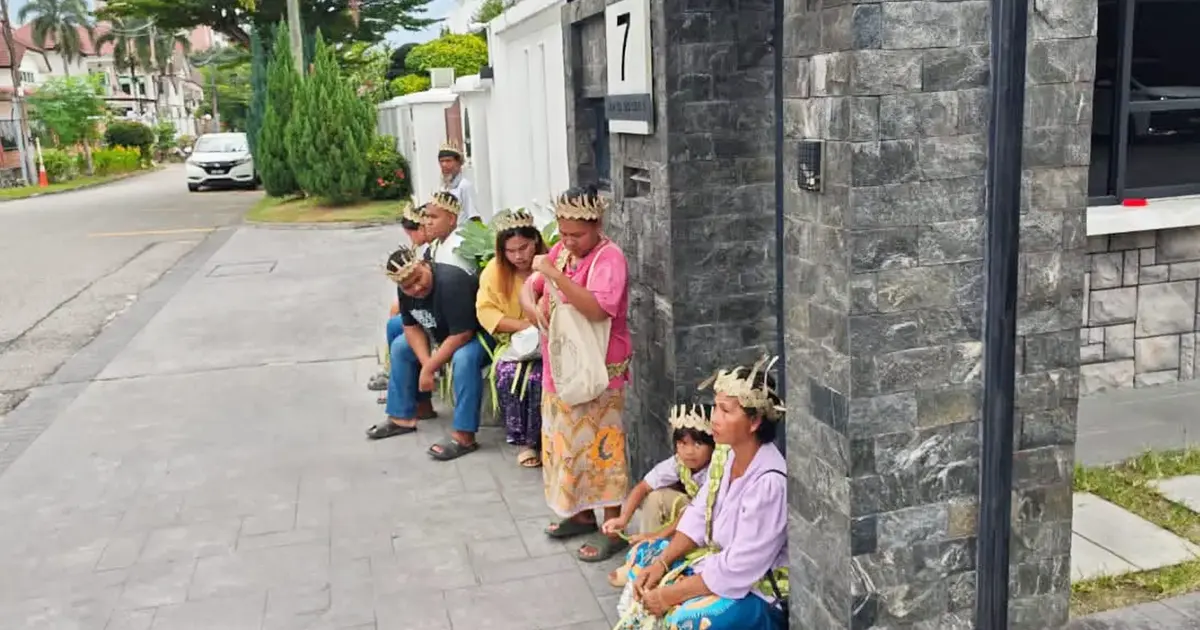
Prime Minister Anwar Ibrahim has announced that three Orang Asli individuals detained in relation to a land dispute have been freed, signalling a potential resolution to an incident that had drawn attention to indigenous land rights issues in Malaysia. The confirmation comes amid growing concerns about how disputes involving the country's aboriginal communities are being handled by state authorities, particularly in Peninsular Malaysia where such tensions have historically been prone to escalation without proper intervention at higher governmental levels.
The release of the three detainees represents a shift in the handling of the case, though details surrounding the circumstances of their detention and the specific nature of the land dispute remain limited. Such incidents often reflect deeper systemic challenges in how land claims and customary rights of Orang Asli communities are adjudicated within Malaysia's federal structure, where property and land administration remain constitutionally vested in state governments rather than the federal government. This jurisdictional reality frequently leaves indigenous groups navigating a complex bureaucratic landscape with limited recourse when disputes arise with landowners or developers.
Anwar's statement that the matter will be escalated to the Pahang government underscores the federal executive's recognition that state-level authorities must remain accountable for their handling of indigenous affairs, even where land matters technically fall within their purview. By indicating his intention to engage directly with state leadership, the Prime Minister is signalling that the federal government views this case as sufficiently serious to warrant high-level attention and oversight. This approach reflects a broader shift in how federal administrations have begun treating indigenous rights issues, particularly following increased scrutiny from civil society organisations and international observers regarding Malaysia's treatment of aboriginal peoples.
For Orang Asli communities, land disputes represent far more than mere property disagreements. They touch upon fundamental questions of ancestral rights, cultural preservation, and economic survival. Many Orang Asli groups depend directly on their customary lands for subsistence, medicinal resources, and cultural practices that define their identity. When disputes arise—whether involving private developers, government projects, or competing claims—the stakes extend beyond individual cases to affect entire communities whose livelihoods and heritage are inextricably linked to specific territories. The detention of community members during such disputes can amplify tensions and potentially discourage further advocacy for land rights.
The involvement of Pahang state authorities in this incident draws attention to varying approaches across Malaysian states in managing indigenous affairs. While some state governments have established dedicated mechanisms for addressing Orang Asli concerns, others lack comprehensive frameworks for resolving disputes equitably. Pahang, as one of Malaysia's largest states with significant Orang Asli populations, has periodically faced criticism regarding the pace and fairness of land dispute resolutions. The federal government's willingness to engage on this matter may prompt broader reflection on whether uniform standards or best practices should be established across states for handling similar cases.
The detention itself raises questions about the proportionality of law enforcement responses to civil land matters. Orang Asli advocacy groups have periodically raised concerns that detentions related to land protests or disputes are sometimes employed as mechanisms to suppress legitimate grievances rather than resolve underlying disagreements. If the three individuals were detained in connection with protesting or asserting their land claims, their release may indicate recognition that such detention was inappropriate or counterproductive to resolving the underlying dispute.
This case occurs within a broader regional context where Southeast Asian governments face mounting pressure to uphold indigenous rights. International bodies and development partners increasingly emphasise the importance of protecting aboriginal communities' land tenure and consulted participation in decisions affecting their territories. Malaysia, as a signatory to various regional frameworks and conventions, faces expectations to demonstrate tangible commitment to these principles. How the federal government follows through on Anwar's commitment to engage Pahang authorities will signal the seriousness with which the administration intends to treat indigenous land issues.
The path forward for federal-state coordination on this matter remains to be seen. The Prime Minister's statement suggests that consultation with Pahang will occur, but the mechanisms, timeline, and potential outcomes of such discussions have not been specified. Whether this engagement will result in broader reforms to how land disputes involving Orang Asli are handled, or represent a one-off intervention in a specific case, will influence how effectively such matters are managed going forward.
For Malaysia's Orang Asli communities, the immediate release of the three detainees provides some reassurance that federal-level attention can influence outcomes in their favour. However, sustainable progress in protecting indigenous land rights will require systematic improvements in how disputes are mediated, how communities are consulted before decisions affecting their lands are made, and how grievances are addressed through transparent, equitable mechanisms rather than enforcement actions. The government's next moves in engaging Pahang will likely set a precedent for how similar disputes are handled across other states.

