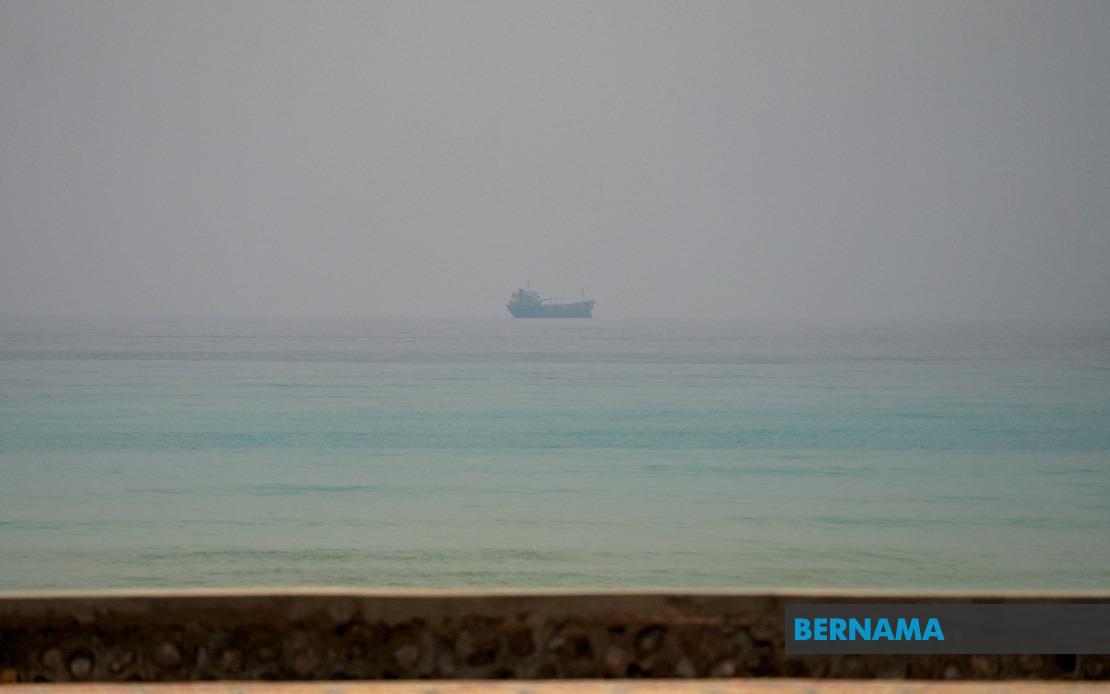
Maritime security in the Persian Gulf deteriorated sharply on Tuesday when three separate attacks targeted commercial oil tankers operating in waters near Oman, according to officials from the country's Maritime Security Centre. The coordinated nature of the strikes, occurring within hours of each other across different zones off the Omani coast, underscores the volatile conditions that have characterised the vital shipping corridor in recent months. While authorities have not directly attributed responsibility for the attacks, the incidents emerge amid intensifying military posturing between the United States and Iran over control of one of the world's most economically critical waterways.
The first vessel to be struck was the Stolt Magnesium, which came under attack approximately 40 nautical miles from South Al Sharqiyah Governorate in international waters beyond Oman's territorial boundaries. The impact ignited a fire within the ship's engine room, creating an immediate hazard for personnel aboard. Despite the severity of the incident, the Maritime Security Centre confirmed that all 23 crew members were successfully evacuated by a passing merchant vessel, and medical assessments indicated that no serious injuries had occurred among the evacuated personnel.
Minutes later, the Mombasa B encountered similar circumstances roughly 8.5 nautical miles off the coast of Musandam Governorate. The strike caused catastrophic damage to the vessel's propulsion systems, leaving the tanker unable to power itself through the water. Of the 21 crew members on board, all were rescued by a nearby cooperating vessel; however, six individuals sustained injuries of varying degrees during the attack. The Royal Navy of Oman dispatched vessels to monitor developments and provide support as needed.
The third incident involved the Al Bahyah, positioned approximately 9.6 nautical miles off Musandam Governorate when it came under fire. The situation proved most grave in this case, as eighteen of the vessel's crew were successfully recovered, yet three seafarers disappeared and remain unaccounted for as of the latest reports. Search and rescue operations continue in the hope of locating the missing personnel, with Royal Navy assets maintaining an active presence in the area.
ADNOC Logistics & Services, the maritime subsidiary of Abu Dhabi National Oil Company, subsequently confirmed that two of its operated tankers—Al Bahyah and Mombasa B—had been targeted by what the company described as projectile strikes while transiting the Strait of Hormuz. The company's statement indicated that fatalities had occurred, with at least one seafarer confirmed dead and additional crew members suffering injuries. The disclosure by the Abu Dhabi-based operator lent weight to mounting evidence that the attacks represented a deliberate targeting of commercial shipping assets.
For Malaysian observers and regional stakeholders, these incidents carry significant implications. The Strait of Hormuz functions as a critical chokepoint through which roughly one-third of globally traded maritime oil passes annually. Malaysia, as a major energy importer and a nation with substantial maritime commerce transiting these waters, faces direct exposure to supply chain disruptions and elevated shipping costs should violence in the corridor persist or escalate. Kuala Lumpur's commercial vessels and those carrying Malaysian interests traverse these waters regularly, placing national strategic interests directly in the line of fire.
The Omani Foreign Ministry responded to the incidents by issuing a formal statement emphasising respect for international maritime law and the fundamental principle of freedom of navigation. Oman urged all parties to commit to ensuring safe passage for commercial vessels through the contested waterway. This diplomatic appeal reflected the small nation's precarious position, bordering the Strait of Hormuz but lacking the military capacity to unilaterally guarantee maritime security in its waters. Oman's measured tone also signalled concern about further destabilisation that could trigger more aggressive interventions by external powers.
The broader geopolitical context illuminates why these attacks matter beyond immediate casualty figures. The United States and Iran have engaged in tit-for-tat military actions and counter-actions centred on control and influence within the Strait of Hormuz and surrounding waters. American naval deployments have intensified, while Iranian-aligned actors have conducted attacks and threats against shipping. This pattern of escalating tit-for-tat measures creates an environment where commercial vessels operate under constant threat, regardless of their nationality or ownership. The unpredictability of such operations makes maritime insurance prohibitively expensive and encourages diversion of shipping routes around Africa, adding weeks to transit times and substantial costs to the global economy.
For Southeast Asian nations like Malaysia, Thailand, Singapore, and others dependent on stable maritime commerce, the situation represents a strategic vulnerability. Disruptions to oil supplies from the Middle East directly impact regional fuel prices and energy security planning. Additionally, multinational shipping companies operating throughout the region face rising operational costs and insurance premiums, ultimately passing expenses to consumers across the Association of Southeast Asian Nations. Malaysia's position as a regional energy hub and shipping centre means that instability in the Strait of Hormuz cascades through Malaysian ports and commercial networks.
The continuation of such incidents suggests that diplomatic solutions remain inadequate to restrain the parties involved. Neither the United States nor Iran appears willing to exercise sufficient restraint to prevent escalation, and the involvement of proxy actors and third parties adds further layers of complexity. Regional powers like Oman, which depend on maintaining neutral relations with both superpowers, find their sovereignty and maritime jurisdiction increasingly compromised by external conflicts.
Moving forward, Malaysia and other Southeast Asian nations must monitor developments closely and consider contingency planning for extended disruptions to Middle Eastern oil supplies. Diversification of energy sources and strengthening relationships with alternative suppliers should feature prominently in national energy security strategies. Additionally, supporting international mechanisms for maritime dispute resolution and freedom of navigation initiatives becomes increasingly important as traditional naval powers struggle to guarantee safe passage through contested waters. The incidents off Oman serve as a stark reminder that maritime commerce operates within geopolitical realities that can shift rapidly and dangerously.

