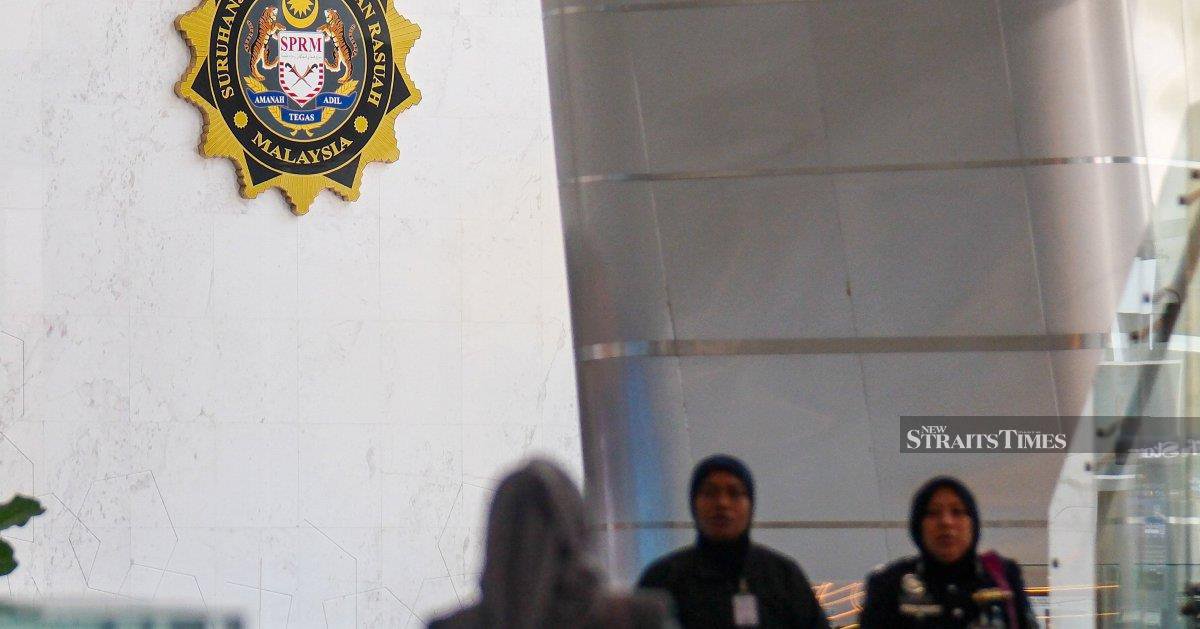
The Malaysian Anti-Corruption Commission (MACC) has widened its enforcement action by apprehending three more individuals in its ongoing investigation concerning the Royal Commission of Inquiry into Tabung Haji, with the latest arrests centred on allegations of misappropriation linked to approximately RM450,000 in Notice of Penalty charges. The fresh arrests represent an escalation in the MACC's systematic examination of governance and financial management issues at the Islamic pilgrimage fund, which has faced mounting scrutiny over the past several years following revelations of administrative and investment-related irregularities.
The Notice of Penalty mechanism represents a significant area of concern within Tabung Haji's operational framework. These notices, issued for regulatory breaches and compliance violations, carry substantial financial implications for the institution and those involved in their processing. The alleged misappropriation of approximately RM450,000 in NOP charges suggests potential diversion of funds or improper application of penalty protocols, raising questions about the internal controls and oversight mechanisms that should have prevented such discrepancies. For Malaysian pension and investment participants who depend on Tabung Haji's integrity, such irregularities strike at the heart of institutional credibility and fiduciary responsibility.
Tabung Haji, formally known as the Lembaga Tabung Haji, serves as Malaysia's dedicated Islamic pilgrimage savings institution, managing contributions from millions of Muslims preparing for their Hajj journey. The organisation's financial health and governance standards directly affect the security of accumulated savings held on behalf of pilgrims across the country. Any breach in administrative protocols or financial controls therefore extends beyond corporate malfeasance to encompass a betrayal of public trust on a deeply personal and spiritual level.
The Royal Commission of Inquiry established to examine Tabung Haji's operations represents a significant governance intervention, signalling the gravity with which authorities approached documented irregularities. Such RCIs are typically convened when institutional failures reach a scale or nature requiring judicial-level investigation and fact-finding. The subsequent MACC investigation demonstrates the interconnected nature of governance oversight in Malaysia, where multiple agencies collaborate to address complex cases involving administrative misconduct and potential criminal liability.
The progressive nature of these arrests—with three additional individuals now apprehended—indicates that investigators have developed substantial evidence and identified multiple individuals with varying degrees of involvement in the alleged irregularities. This approach is consistent with MACC investigative methodology, which often involves systematic identification of persons of interest at different organisational levels. The coordinated enforcement action suggests investigators have mapped out potential chains of responsibility and decision-making that facilitated the alleged misappropriation.
From a broader Malaysian governance perspective, this case underscores persistent vulnerabilities within institutional financial management systems. Despite regulatory frameworks ostensibly designed to prevent such breaches, individuals within organisations continue to exploit administrative processes for personal gain or corrupt purposes. The recurring pattern of irregularities necessitates deeper examination of recruitment standards, training protocols, and internal audit functions within Malaysia's statutory bodies. Strengthening these foundational elements remains critical to preventing future occurrences.
The RM450,000 figure, while substantial in absolute terms, may represent only a portion of total financial irregularities within Tabung Haji's operations during the period under investigation. Historical institutional audits and investigations often reveal that initially identified discrepancies prove to be symptomatic of broader systemic weaknesses. The MACC's continued investigation may ultimately uncover additional layers of misconduct, affecting the final quantum of losses and the scope of accountability measures required.
For Malaysian public sector employees and those managing statutory institutions, this case serves as a pointed reminder of enforcement realities. The MACC's demonstrated willingness to pursue individuals across organisational hierarchies sends a clear message that administrative position provides no insulation from investigation and prosecution. This development should encourage heightened institutional vigilance among peer organisations managing public funds, from local government bodies to other social insurance and savings schemes.
The implications extend to Malaysia's broader investment and financial regulation ecosystem. When pillar institutions like Tabung Haji experience governance lapses, investor and depositor confidence ripples across the sector. Malaysian Muslims considering alternative savings and investment vehicles may recalibrate their institutional preferences, potentially affecting Tabung Haji's future funding trajectory and operational flexibility. Restoring institutional credibility will require sustained demonstration of reformed practices and transparent accountability.
Looking forward, the outcome of these arrests and any subsequent prosecutions will establish important precedent regarding the severity with which Malaysia's anti-corruption apparatus treats financial misappropriation within statutory bodies. If convictions result in substantive custodial sentences and financial restitution orders, this sends powerful deterrent signals. Conversely, if enforcement outcomes appear lenient or protracted, public confidence in the anti-corruption framework itself may erode, particularly among Malaysian workers and savers who view these institutions as custodians of their economic security.
The MACC's continued focus on Tabung Haji reflects recognition that institutional governance failures demand sustained investigative commitment. As more details emerge from ongoing inquiries, Malaysian stakeholders—particularly those with accumulated Tabung Haji balances—will closely monitor developments to understand the full extent of irregularities and the adequacy of remedial measures implemented to prevent recurrence.

