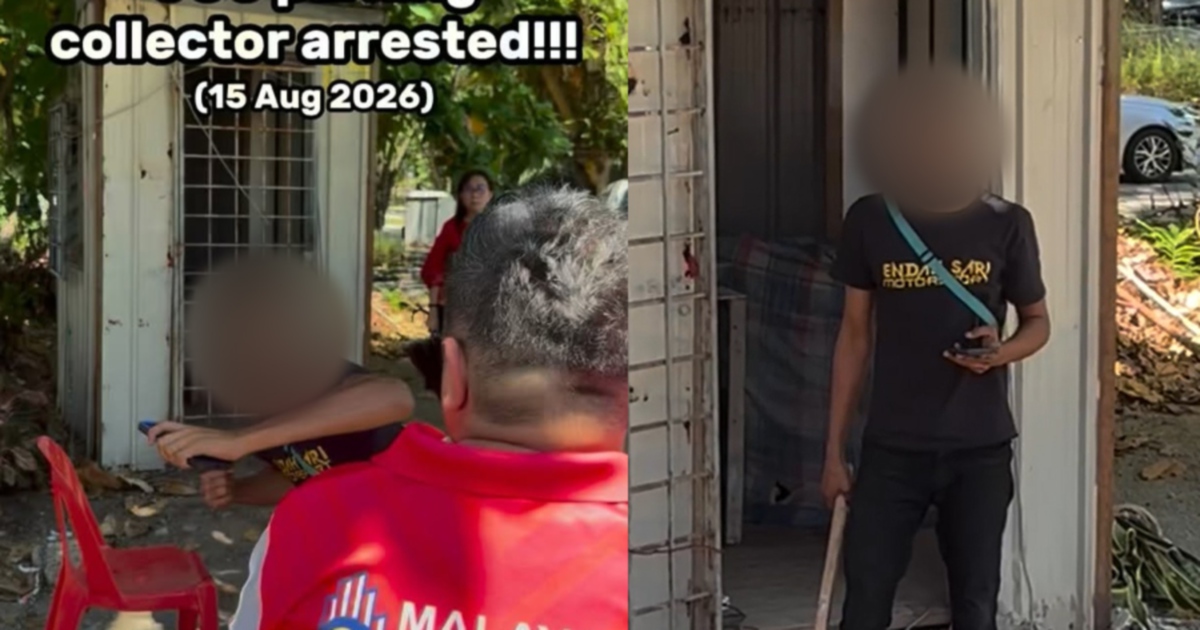
Three suspects have been arrested following an alleged assault on a woman in the OUG residential area of Kuala Lumpur, with the incident stemming from an altercation over unauthorised parking fee collection. The 38-year-old victim encountered the men while questioning their authority to impose parking charges in what appears to be a case of vigilante fee-taking in the neighbourhood. The physical confrontation, according to police reports, involved the woman being struck in the head and subsequently threatened, a concerning escalation of tension over an increasingly common street-level dispute across Malaysian residential communities.
The arrest of the three men represents a significant police response to a growing phenomenon whereby unofficial groups attempt to regulate parking and collect fees in residential neighbourhoods without proper authorisation. Such informal revenue-collection schemes have proliferated across Malaysian suburbs in recent years, often creating friction between residents who believe they are being unlawfully charged and those claiming to maintain neighbourhood parking order. The incident in OUG highlights the potential for violence when residents attempt to challenge these unofficial arrangements, reflecting broader concerns about law and order in urban residential zones.
Police investigations into the assault reveal an uncomfortable reality facing many Malaysian neighbourhoods: the emergence of unofficial enforcers who position themselves as parking regulators but lack any legitimate mandate. These individuals often collect fees from residents and visitors, justifying their actions as maintaining parking discipline or funding neighbourhood maintenance. However, the legitimacy of such collections remains legally questionable, as local authorities and property management companies are the recognised channels for parking fee collection in Malaysian residential areas. When residents like the 38-year-old victim push back against these demands, confrontations can turn violent, as occurred in this instance.
The incident raises important questions about neighbourhood governance and how residential areas in Kuala Lumpur manage parking challenges. Many suburbs, particularly older established neighbourhoods like OUG, face genuine parking pressures as vehicle ownership increases and street parking becomes more congested. Frustrated residents sometimes form informal committees that attempt to regulate parking themselves, occasionally crossing ethical and legal boundaries in the process. The assault case suggests that without proper channels for addressing parking frustrations, disputes can quickly deteriorate into physical altercations that endanger residents and undermine community cohesion.
For Malaysian homeowners and visitors, the OUG incident serves as a cautionary tale about parking disputes in residential areas. Challenging unofficial fee collectors, while theoretically justified on grounds that such collections lack legal standing, carries real physical risk. Many Malaysians encounter similar situations in their own neighbourhoods, where unregistered parking enforcers demand payment for street parking. Understanding one's rights and knowing how to properly report illegal fee collection through official channels becomes crucial for community safety. Police encourage residents who suspect illegal parking schemes to lodge formal complaints with the local police station or their respective local councils rather than confronting suspected perpetrators directly.
The broader context of this arrest reflects nationwide concerns about informal economy activities that blur the line between community service and criminal extortion. In residential areas across Kuala Lumpur, Selangor, and other urban centres, unregistered individuals have increasingly positioned themselves as parking attendants, security personnel, or neighbourhood maintenance workers. Some operate legitimately with implicit community consent; others engage in what amounts to protection rackets, collecting fees through implied threats or intimidation. The OUG assault case demonstrates that law enforcement agencies are taking such incidents seriously and will prosecute those who resort to violence to enforce unofficial parking arrangements.
Local authorities face mounting pressure to address parking challenges in older residential neighbourhoods through legitimate means. OUG, originally developed decades ago before vehicle saturation became endemic to Malaysian cities, exemplifies suburbs struggling with inadequate parking infrastructure. Rather than allowing informal and potentially violent enforcement systems to flourish, local councils and property management companies must develop transparent parking policies, create additional parking facilities where possible, and clearly communicate regulations to residents. The assault case underscores how vacuum in official authority creates space for unauthorized groups to establish parallel systems of order, often enforced through intimidation.
The three arrested men face serious charges that could include assault causing hurt and criminal intimidation, depending on police investigations and available evidence. Their detention represents a message that physical violence over parking disputes, regardless of the underlying legitimacy of fee collection, will not be tolerated. However, the case also implicitly acknowledges that parking fee collection itself exists on a spectrum of legality and legitimacy in Malaysian neighbourhoods, with many such schemes operating in grey areas where community tolerance, rather than legal authority, determines their continuation. The outcome of this case will likely influence how residents and officials approach parking regulation in similar communities throughout the Klang Valley and beyond.
Residents concerned about illegal parking fee schemes in their neighbourhoods should document incidents, report them to police with details of individuals and collection practices, and escalate concerns to their local authorities and resident associations. Rather than confronting suspected perpetrators, official channels provide safer and more effective means of addressing unauthorised parking charges. The OUG incident, tragic as it is, highlights the importance of distinguishing between parking challenges that require community solutions and those that demand police intervention and proper legal processes. Moving forward, Malaysian neighbourhoods must strengthen legitimate governance structures to prevent the emergence of informal enforcement systems that ultimately compromise both community safety and cohesion.

