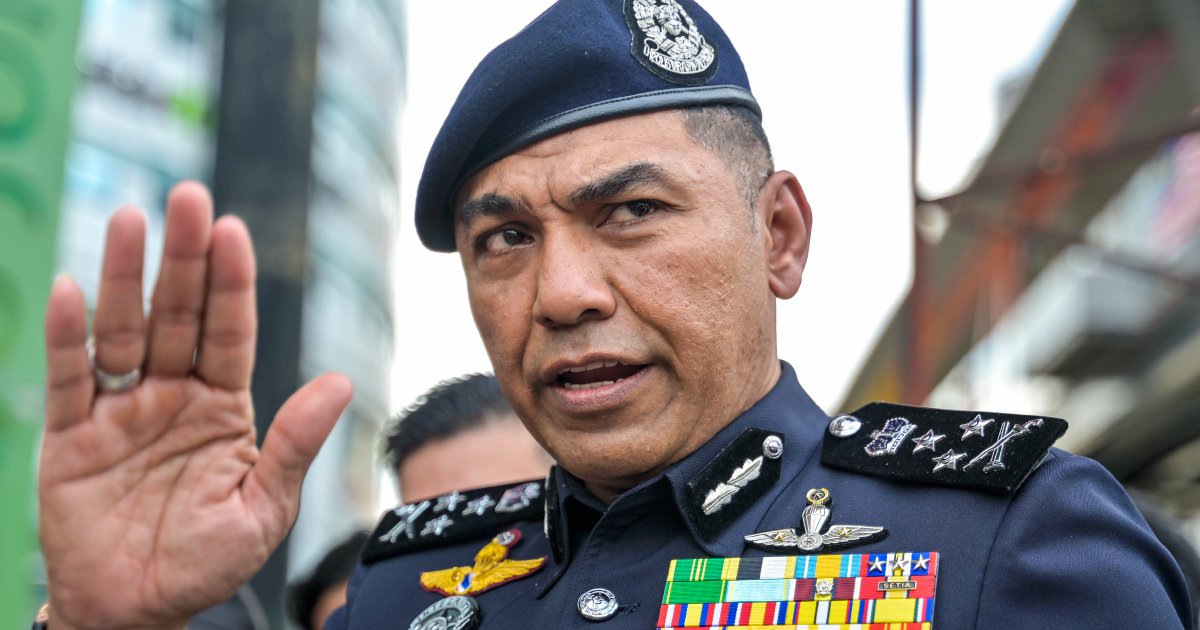
Law enforcement in Kuala Lumpur has apprehended three men, among them a suspected illegal motorcycle racing 'jockey', after they allegedly attempted to evade capture during an enforcement operation targeting a condominium in the Sentul area. The incident highlights ongoing police efforts to curb illegal street racing activities that have plagued urban neighbourhoods throughout the Federal Territory.
The detention comes as authorities continue to intensify crackdowns on organised illegal racing syndicates operating within the Klang Valley. These operations, which often involve modified motorcycles and coordinated participants, have drawn increased regulatory attention following community complaints and safety concerns. The term 'jockey' refers to skilled riders hired by racing organisers to participate in underground competitions, which operate outside formal racing frameworks and frequently occur on public roads.
The Sentul operation represents part of a broader enforcement strategy targeting organised motorcycle racing networks that authorities say facilitate reckless riding behaviour and public hazard. Illegal street racing continues to pose significant risks to both participants and innocent road users, contributing to traffic incidents and community disruption. Police have identified such activities as requiring sustained intervention to protect public safety and maintain order in residential areas.
Malaysia has witnessed growing concern over illegal racing subcultures, particularly in urban centres where young riders organise unsanctioned competitions. These activities operate through informal networks and social media channels, making detection and prevention challenging for law enforcement. The sophistication of some operations suggests coordination between organisers, riders, and support networks that authorities are working to dismantle.
The three detainees are expected to face investigation under relevant traffic and public order legislation. Authorities typically scrutinise the roles of individuals within racing networks, distinguishing between organisers, participants, and service providers. The identification of a suspected 'jockey' within this group suggests police are building cases against different layers of these criminal networks.
For Malaysian residents, particularly in the Klang Valley and other urban areas experiencing similar issues, such enforcement actions signal government commitment to addressing street racing. However, experts suggest that sustained success requires coordination between multiple agencies, community reporting, and addressing underlying factors that attract participants to illegal racing. The phenomenon reflects broader challenges in regulating informal entertainment and competition activities among youth populations.
The incident occurs against a backdrop of international recognition that illegal street racing remains a persistent urban problem across Southeast Asia. Neighbouring jurisdictions have implemented various approaches, from enhanced enforcement to youth engagement programmes designed to redirect racing enthusiasm into regulated channels. Singapore and Thailand have experimented with controlled racing venues and licensing frameworks intended to channel interest away from illegal operations.
Malaysia's regulatory environment for motorsports has traditionally focused on enforcement rather than providing alternative venues. However, some community observers argue that offering legal racing opportunities through licensed tracks and organised events could reduce the appeal of illegal alternatives. This approach, employed in some countries, acknowledges that interest in motorcycle racing persists regardless of legal status, and that channelling such interests productively may prove more effective than enforcement alone.
The Sentul operation also reflects resource allocation priorities within law enforcement. Police have identified illegal racing as sufficiently problematic to warrant dedicated investigative operations, suggesting escalation beyond reactive responses to individual incidents. This approach aims to disrupt criminal networks rather than simply prosecuting individual offenders, potentially creating longer-term deterrent effects.
Community safety remains the central consideration driving these interventions. Residents of affected areas have repeatedly raised concerns about noise, reckless riding behaviour, and danger posed to children and pedestrians. Police operations targeting established racing syndicates respond directly to such concerns and represent a more comprehensive approach than addressing isolated incidents. The involvement of suspected organisers, riders, and support personnel indicates police are mapping entire operational structures.
For stakeholders in the transportation and public safety sectors, these developments underscore the need for integrated responses to illegal racing. Coordination between traffic police, criminal investigation units, municipal authorities, and community groups has proven effective in other cities. Information sharing through social media monitoring and community tip-offs enhances surveillance capacity without requiring permanent officer presence on streets.
The three arrests demonstrate that police possess operational capacity to conduct targeted enforcement against identified targets. Whether such operations can be sustained at scale and whether they ultimately reduce illegal racing prevalence will depend on follow-through prosecution and the broader regulatory environment. The coming weeks will reveal whether the detainees face formal charges and what specific evidence authorities have compiled against individuals within the suspected network.

