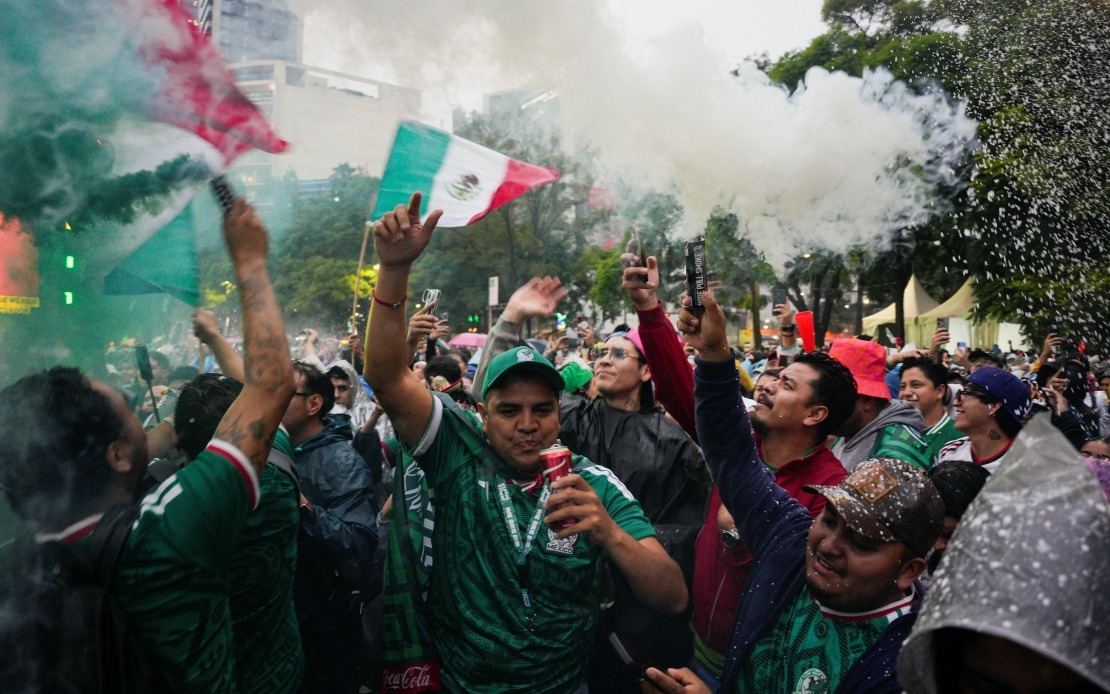
A celebratory mood in Mexico City turned tragic on Tuesday night when three people died from asphyxiation during jubilant gatherings in the city centre following Mexico's passage into the World Cup knockout stage. The deaths underscore the dangers that can emerge when large crowds converge in urban spaces, even in moments of national pride and sporting achievement, and serve as a sobering reminder to Southeast Asian nations about crowd management during major sporting events.
Mexico's comfortable 2-0 triumph over Ecuador at the Estadio Azteca secured their qualification for the tournament's final 16 teams, sparking an outpouring of celebration across the capital. The victory was significant not merely for the mathematical advancement but for restoring some sense of optimism among supporters following earlier disappointments in the tournament. The possibility of a tantalising showdown against England at the same venue on Sunday—contingent on Thomas Tuchel's side overcoming DR Congo in their Wednesday fixture—further energised the Mexican fanbase and drew more people into the streets.
According to official confirmation from Mexico City's public health secretariat, the three fatalities comprised a 44-year-old man, a 19-year-old woman, and a 48-year-old woman, all of whom suffered asphyxiation while near Paseo de la Reforma, the iconic avenue running through the heart of Mexico City's business and cultural district. The circumstances surrounding each death remain under investigation, but the clustering of incidents at a single location suggests that crowd density and ventilation issues may have contributed to the tragic outcomes.
Clara Brugada, the head of government in Mexico City, addressed the tragedy through a social media statement, acknowledging that emergency response teams from across the city had been mobilised immediately upon receiving reports of three unconscious individuals at different points in the Paseo de la Reforma vicinity. She confirmed that all available medical protocols had been activated in a bid to save lives, though ultimately these efforts proved insufficient to prevent the deaths.
The incident reflects a persistent global challenge in managing mass gatherings during moments of heightened emotion and collective celebration. World Cup tournaments, despite their capacity to unite nations and showcase the best of sporting spirit, have historically been accompanied by crowd-related incidents ranging from minor injuries to fatalities. The concentration of excited supporters in confined urban spaces, especially where infrastructure may not be adequately designed for sudden influxes of foot traffic, creates conditions where medical emergencies can quickly become catastrophic.
For Malaysia and other Southeast Asian nations, the tragedy carries particular relevance as regional cities increasingly host large-scale sporting events and international tournaments. The vulnerability of urban centres to crowd incidents during celebrations of major sporting achievements has become a matter of serious public safety concern. Malaysian authorities overseeing future World Cup-related gatherings, whether in viewing centres or public spaces, would be wise to consider the lessons from Mexico City's experience and implement robust safety protocols well in advance.
Brugada's message to grieving families emphasised that the government stood ready to provide comprehensive support and assistance, while also including a broader public appeal for celebratory conduct that prioritises responsibility, care, and empathy. This dual message—acknowledging both immediate grief and the need for systemic change—represents standard practice among government officials responding to crowd-related tragedies. However, translating such sentiments into concrete preventive measures remains an ongoing challenge for city administrators worldwide.
The deaths also raise questions about infrastructure adequacy in major urban centres during periods of unexpected mass congregation. Paseo de la Reforma, while a significant thoroughfare, may not have been specifically prepared for the surge of celebratory crowds that followed the Mexico-Ecuador match conclusion. Proper ventilation, designated gathering areas with sufficient space, and pre-positioned medical personnel could potentially mitigate future risks, though such comprehensive preparation requires substantial investment and advance planning.
World Cup tournaments generate unparalleled levels of emotional investment among supporters, and this passion frequently manifests in spontaneous street celebrations that authorities struggle to regulate or manage. The challenge lies in permitting people to express their national pride and sporting enthusiasm while simultaneously ensuring that such expressions do not inadvertently create life-threatening conditions. This balance remains elusive for most cities hosting major football tournaments, and the Mexico City deaths contribute to a growing body of evidence that current crowd management practices require substantial revision.
The incident occurred during a particularly significant World Cup cycle, with multiple storylines intersecting. Mexico's qualification meant that the nation's global football standing remained intact despite earlier tournament struggles. The potential for an England fixture added another layer of intrigue, particularly given the worldwide attention such matchups command. These compelling narratives, while amplifying the celebratory atmosphere, also increased the likelihood of larger crowds gathering in public spaces, thereby heightening the potential for incidents.
As investigations continue into the specific circumstances surrounding each death, authorities in Mexico City and beyond will presumably examine whether warning signs were missed, whether adequate emergency services were positioned appropriately, and whether crowd dispersal mechanisms functioned effectively. Such post-incident analyses, while sometimes generating defensive responses from officials, ultimately serve to improve preparedness for future events. Malaysian authorities observing these developments should consider them as case studies informing domestic policies around major sporting celebrations.

