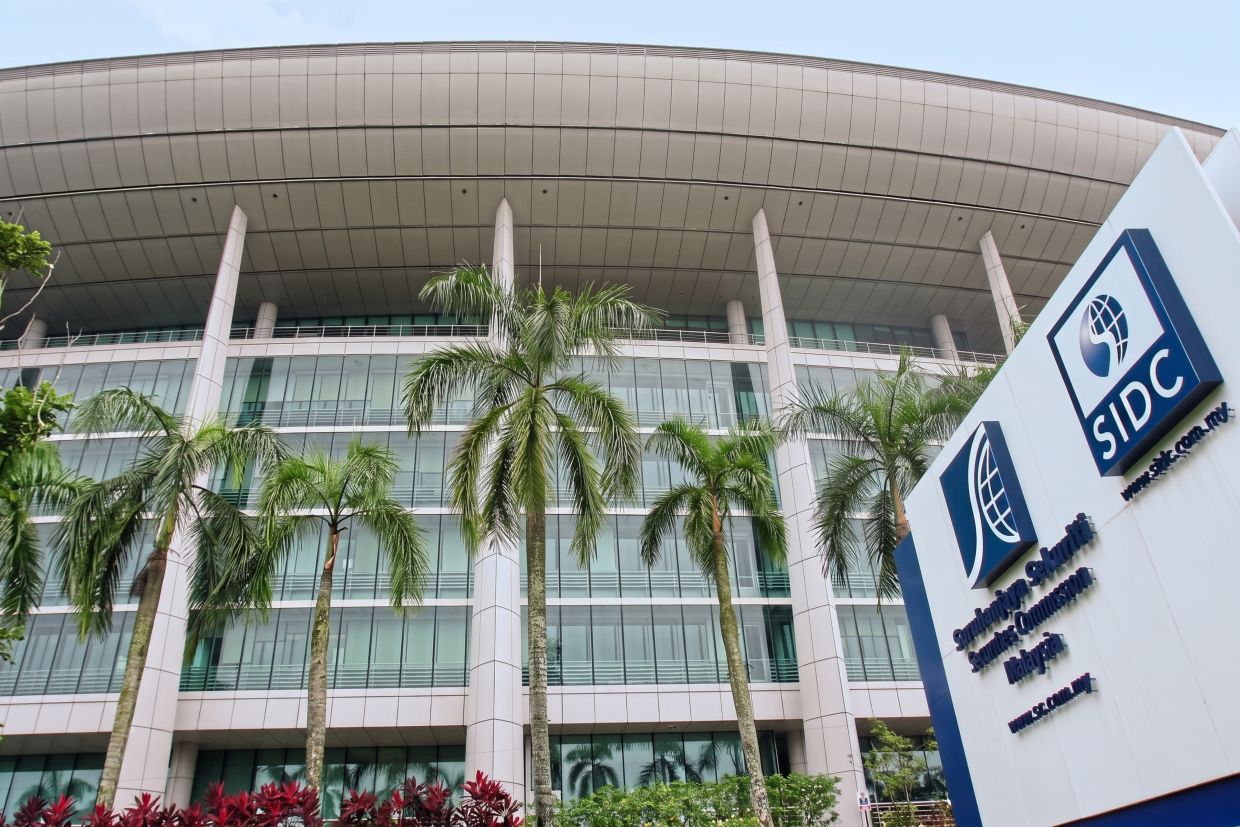
The Securities Commission Malaysia has initiated legal proceedings against three brothers—Anuar Hassan, Mohd Amin Hassan, and Amir Hassan—at multiple sessions courts in Kuala Lumpur, alleging they engaged in securities trading operations without the requisite regulatory approval. The brothers collectively face multiple charges under the Capital Markets and Services Act 2007, marking another enforcement action in Malaysia's ongoing battle against unlicensed financial intermediaries operating in the capital markets.
Mohd Amin Hassan initially appeared in court on one count relating to unauthorised securities dealing under section 58 of the CMSA. The court set his bail at RM30,000 secured by two Malaysian sureties, while imposing additional conditions requiring him to surrender his passport and report monthly to the SC's investigating division. These conditions reflect the regulator's concern about preventing potential flight risks in financial crime cases and maintaining oversight throughout the legal proceedings.
Anuar and Amir faced concurrent charges in a related court proceeding, each accused of two offences involving unlicensed securities operations that allegedly occurred in collaboration. Both brothers received identical bail arrangements of RM30,000 each with two sureties apiece, accompanied by the standard conditions of passport surrender and monthly reporting obligations to the SC. The joint charging of the two brothers suggests the investigation identified coordinated conduct in their alleged unlicensed activities.
Additional charges were brought against Amin and Amir in another sessions court, where they faced separate counts under the same legislative framework with references to the Penal Code's provisions on joint liability. These charges carried lower bail amounts of RM20,000 each, though the same reporting and passport surrender conditions applied. The layering of separate charges across different courts indicates the SC's strategy to prosecute distinct transactions or time periods of alleged misconduct.
Amir Hassan faced particularly comprehensive charges, with two additional counts of unlicensed securities dealing that garnered bail of RM30,000. Meanwhile, Anuar and Amin faced joint charges in yet another court appearance, each receiving RM30,000 bail with two sureties and matching conditions. Anuar additionally faced a standalone charge under section 58 of the CMSA, which carries the same bail quantum and reporting requirements. The multiplicity of charges suggests an investigation spanning various transactions and potentially different clients or schemes.
The alleged unlicensed activities occurred across a concentrated eight-month window between March 2019 and October 2019, with incidents reported from multiple locations including Kuala Lumpur, Putrajaya, Selangor, and Johor. This geographic distribution indicates the brothers may have operated across state boundaries, potentially expanding their reach and client base throughout the Klang Valley and beyond. The relatively compact timeframe suggests either a focused investigative period or an escalating enforcement response to complaints.
All three brothers have exercised their right to contest the charges, entering not guilty pleas across all counts. This decision to pursue a contested trial rather than seek negotiated outcomes suggests they may dispute either the factual allegations or the SC's jurisdictional authority to regulate their conduct. The trial process will likely delve into questions of whether proper licensing was genuinely required and whether the brothers possessed the necessary permits from the SC.
The potential penalties attached to conviction carry significant weight in Malaysia's financial crime landscape. Each count carries a maximum fine of RM10 million, imprisonment of up to ten years, or both penalties in combination. For multiple convictions, cumulative sentences are possible, meaning the brothers collectively face exposure to penalties in the tens of millions and potentially decades of imprisonment depending on how many charges result in conviction. These substantial penalties reflect Parliament's intent to deter unlicensed capital market participation.
This enforcement action highlights the SC's persistent focus on rooting out unauthorised financial intermediaries who operate outside the regulatory framework. Unlicensed securities dealers pose significant risks to retail investors by operating without capital adequacy requirements, client fund protections, or conduct standards that licensed intermediaries must observe. Such operations frequently target unsophisticated investors with unrealistic return promises, making them particularly damaging to market integrity and consumer confidence.
For Malaysian investors, the case underscores the importance of verifying that any person or entity offering securities services holds valid SC licensing. The regulator maintains a public register of licensed intermediaries, and investors conducting due diligence before placing funds should check this register meticulously. The prosecution of the Hassan brothers serves as a warning that illegal operators face serious criminal consequences, though this does little to recover funds already lost by defrauded investors.
The case also reflects broader regional trends in Southeast Asia, where unlicensed securities dealing remains a persistent enforcement challenge across multiple jurisdictions. Malaysia's approach—combining substantial criminal penalties with regulatory prosecution—aligns with regional standards, though implementation challenges mean many operators continue activities despite legal risks. The SC's investment in investigating and prosecuting such cases signals commitment to maintaining market integrity, though critics argue resources devoted to criminal cases might be better spent on preventive compliance monitoring.
Governance observers note that such enforcement actions depend heavily on effective whistleblowing and complaint mechanisms, as well as cooperation between the SC and law enforcement agencies. Without robust reporting channels and inter-agency coordination, unlicensed operators can flourish largely undetected. The existence of this case suggests the SC's systems for receiving and investigating complaints remain reasonably effective, though the prevalence of unlicensed activity indicates ongoing gaps in detection and deterrence capabilities.

