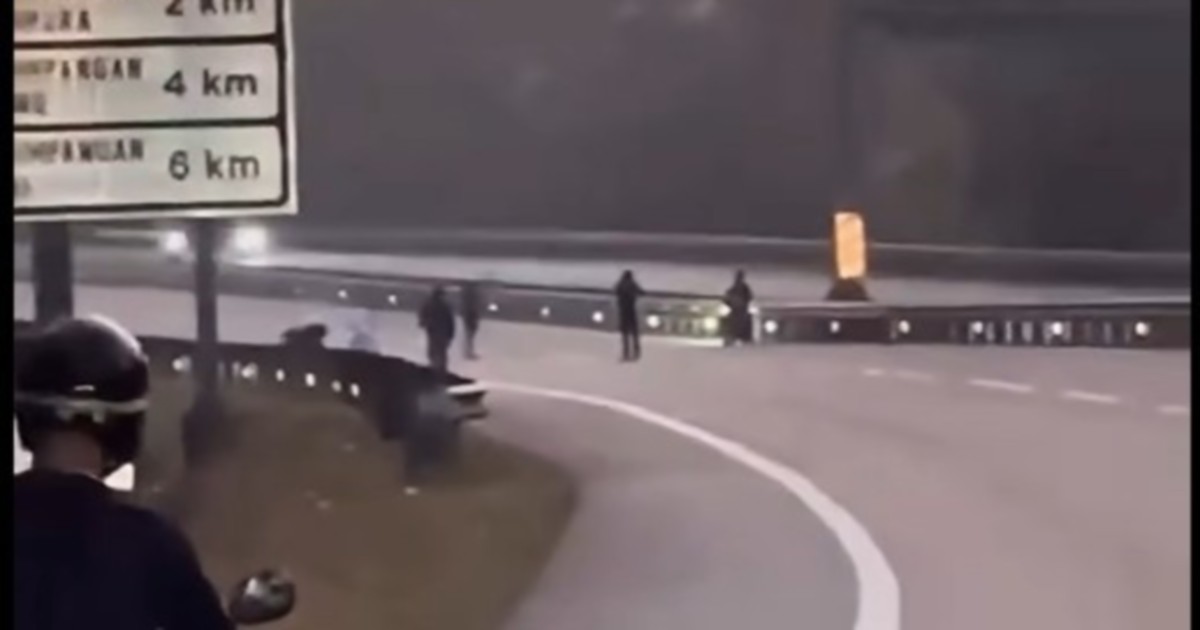
The Johor police have deepened their investigation into illegal motorcycle racing activities with the remand of three additional suspects, bringing the cumulative number of individuals arrested in connection with the Second Link incident to 11. The arrests underscore the persistent challenge authorities face in combating dangerous street racing on one of Malaysia's busiest highways, a major transit corridor connecting Johor Bahru to Singapore.
The Second Link, formally known as the Sultan Iskandar Bridge, is a critical international gateway that experiences heavy traffic daily. Illegal racing on such high-traffic routes poses serious public safety hazards, endangering not only the racers themselves but also innocent motorists and their passengers. The brazen nature of organising such activities on a major highway suggests a degree of coordination and disregard for traffic laws that has prompted an escalated police response.
The expanding list of suspects indicates investigators are pursuing a comprehensive approach, likely examining not just individual participants but also potential organisers, coordinators, and spectators who may have played supporting roles. Understanding the network behind such events is crucial for authorities aiming to dismantle the infrastructure that enables illegal racing culture. Each arrest potentially provides investigators with fresh intelligence about how these events are promoted, funded, and executed.
Police operations targeting illegal street racing reflect broader traffic enforcement priorities across Malaysia and Southeast Asia. These activities create documented risks including high-speed collisions, uncontrolled lane changes, and unpredictable road behaviour that disproportionately affects law-abiding commuters. The Second Link's status as a bilateral crossing adds another dimension to enforcement concerns, as the incident has implications for traffic management protocols shared between Malaysian and Singapore authorities.
The motivations behind illegal motorcycle racing among Malaysian youth have been explored in various studies and reports. Beyond the thrill-seeking element, some participants view these events as community gatherings within a broader motorcycle subculture. However, this romanticised framing cannot overshadow the tangible dangers posed to public safety. Modern motorcycles are capable of reaching extremely high speeds with minimal rider protection, making accidents at elevated velocities potentially catastrophic.
The timing and location of the Second Link incident suggest organisers chose this venue deliberately, possibly due to extended stretches of relatively straight road. However, this choice demonstrates limited understanding or regard for the consequences of disrupting traffic flow on critical infrastructure. The highway serves commercial vehicles, family cars, and cross-border commuters who have no involvement in racing culture yet bear the risks created by illegal activity.
Law enforcement responses to illegal racing have evolved across Malaysian states. Beyond individual arrests and remands, authorities increasingly pursue vehicle seizure, licensing suspension, and court proceedings aimed at meaningful penalties. Some jurisdictions have experimented with education and rehabilitation programmes for younger offenders, recognising that purely punitive approaches may not address underlying motivations without complementary intervention strategies.
The involvement of 11 suspects at this stage suggests the incident may have involved substantial numbers of participants, spectators, or logistical support personnel. This scale necessitates a multi-layered investigation examining phone records, social media coordination, financial transactions, and eyewitness accounts. Prosecutors will need to establish clear roles and responsibilities when bringing charges, as courts typically distinguish between active participants and those providing indirect support.
For Malaysian motorists, the incident serves as a reminder of road safety vulnerabilities that extend beyond driver competence and vehicle maintenance. Illegal activities conducted by determined individuals can materialise on any road, regardless of traffic regulations or physical infrastructure. This reality underscores the importance of defensive driving practices, maintaining vehicle distance, and exercising heightened awareness during highway travel, particularly during nighttime hours when such activities often occur.
The arrest figures also reflect resource allocation within police departments. Sustained enforcement against illegal racing requires dedicated personnel, surveillance equipment, and coordination across multiple units. Whether current investments prove sufficient for meaningful deterrence remains an open question, particularly given the apparent continuation of such activities despite previous enforcement campaigns.
International cooperation may enhance enforcement effectiveness, particularly regarding the Second Link's bilateral context. Intelligence sharing between Malaysian and Singapore authorities could identify patterns, vehicles, and individuals involved in cross-border racing networks. Such cooperation reflects modern criminal investigation practices where geographic boundaries no longer constrain criminal enterprises.
Moving forward, the 11 arrests present an opportunity for comprehensive prosecution and public messaging about consequences. Courts' sentencing decisions will send important signals about the seriousness with which Malaysia's judicial system treats organised illegal racing. Combined with simultaneous media coverage, successful prosecutions can contribute to cultural shifts within motorcycle communities toward lawful assembly and sanctioned racing venues.
The Second Link incident ultimately exemplifies the tension between personal freedom and public safety that characterises enforcement of traffic laws. While motorcycle enthusiasts possess legitimate interests in their hobby, expression of that interest must respect boundaries that protect innocent third parties. The expanding investigation suggests authorities are committed to establishing those boundaries clearly and enforcing them consistently.

