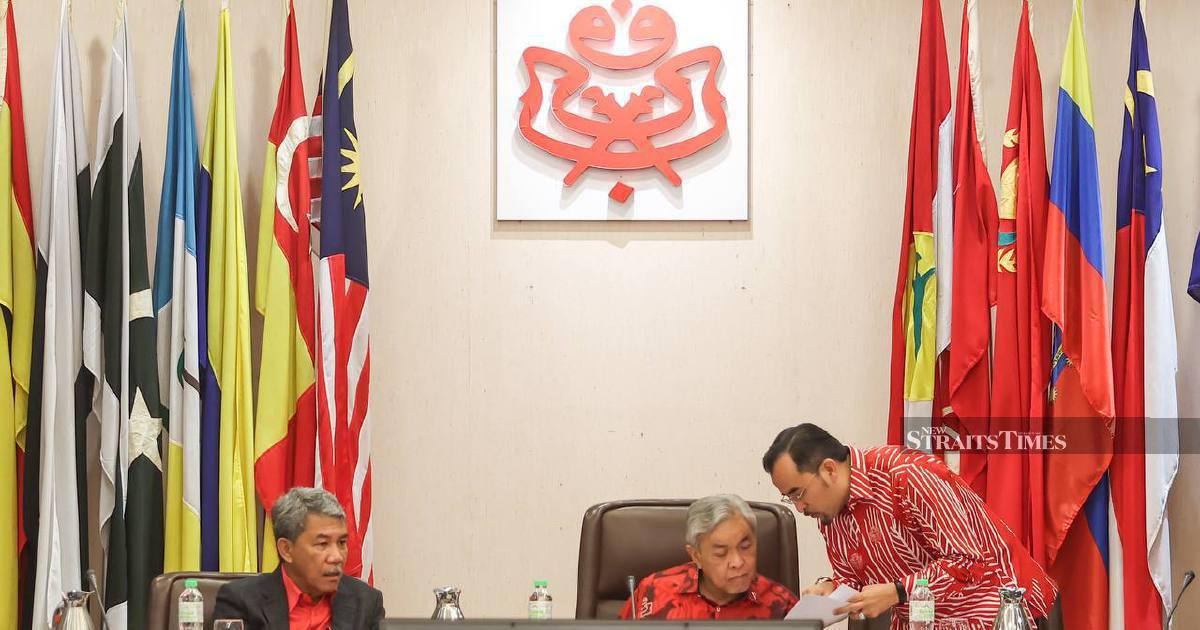
Umno secretary-general Datuk Dr Asyraf Wajdi Dusuki has reiterated a fundamental principle of the Malaysian legal system, emphasising that those facing detention during investigation periods must be accorded the basic right of presumption of innocence until proven otherwise through formal court proceedings. His statement underscores the importance of maintaining due process safeguards in a nation governed by the rule of law, where judicial principles take precedence over public perception or preliminary investigation findings.
The assertion comes at a time when Malaysia continues to strengthen its institutional frameworks and public understanding of legal protections. The presumption of innocence remains a cornerstone of the criminal justice system enshrined in constitutional provisions, protecting citizens from arbitrary punishment and ensuring that the weight of proof rests with the prosecution rather than the accused. This principle distinguishes modern democratic legal systems from authoritarian ones, where accusations alone might suffice for conviction.
Anyraf's intervention addresses a recurring tension in public discourse where media coverage, social commentary, and informal judgements can precede formal legal determinations. When individuals are detained for questioning or investigation, the period often generates substantial public interest and scrutiny, creating an environment where reputational damage may occur regardless of eventual outcomes. His reminder serves both the legal profession and the broader citizenry, reinforcing that investigative detention does not constitute judicial finding of guilt.
The distinction between investigation, charge, trial, and conviction forms the backbone of procedural fairness. During investigation, authorities gather evidence and conduct interviews to establish facts and potential breaches of law. Detention at this stage enables investigation but does not predetermine its outcome. Many investigations conclude without charges; others result in charges that courts subsequently dismiss. Treating detainees as guilty before these stages transpire contradicts fundamental legal doctrine and exposes the system to accusations of bias or persecution.
For Malaysia's international standing and domestic legal credibility, consistent application of presumption of innocence remains critical. Regional and global observers often evaluate the maturity of legal systems partly through their protection of individual rights during vulnerable periods such as investigation and detention. A system that publically brands individuals as wrongdoers before conviction risks reputational harm not only to those individuals but also to institutional confidence in the judiciary's impartiality.
Asynraf's statement also reflects broader concerns within the government about maintaining institutional discipline and public confidence in the courts. Treating detained persons as presumptively guilty could undermine the entire investigative process by contaminating evidence gathering with preconceived conclusions. Effective investigation requires objectivity, openness to exculpatory findings, and careful documentation that can withstand judicial scrutiny. Presuming guilt prematurely introduces bias that compromises these functions.
The practical implications extend to media reporting, official communications, and social discourse. When government officials or public figures consistently describe detained individuals in language suggesting guilt before trial, they risk poisoning the jury pool or creating circumstances where fair trial becomes nearly impossible. Malaysian courts have shown sensitivity to prejudicial pre-trial publicity, recognising that the right to fair trial includes the right to be tried before impartial fact-finders untainted by inflammatory public statements.
From a Southeast Asian perspective, Malaysia's reaffirmation of presumption of innocence distinguishes it from countries where detainees face considerably fewer protections. Neighbouring jurisdictions display varying standards for investigative detention and procedural fairness. Malaysia's explicit commitment to these principles, even when tested, demonstrates institutional maturity and respect for constitutional governance. Such positions strengthen regional rule-of-law norms and provide reference points for other nations navigating similar challenges.
The statement also carries implications for how political actors conduct themselves when facing investigation or detention. Officials, party members, and business figures undergoing investigation retain legal rights that should not be forfeited through their positions or controversies. Maintaining respect for these protections, regardless of the accused person's prominence or the gravity of allegations, ensures that the legal system operates consistently and impartially rather than as a vehicle for eliminating rivals or political opponents.
Moving forward, Asyraf's intervention may prompt broader institutional conversations about balancing transparency in investigations with protection of due process. Law enforcement agencies, the judiciary, and political leadership must collectively ensure that investigations proceed rigorously while respecting fundamental fairness principles. Public education campaigns clarifying the distinction between suspicion and guilt could also help reduce prejudgement and support a culture where legal processes complete before public verdicts are rendered.
Ultimately, the presumption of innocence functions as a cornerstone protecting citizens from both government overreach and social lynch mobs. When applied consistently and publicly defended by institutional leaders, it reinforces the principle that guilt must be established through evidence presented and tested in open court under judicial supervision. Asyraf's statement serves as a necessary reminder that this protection must extend to all, regardless of circumstance or popular opinion.

