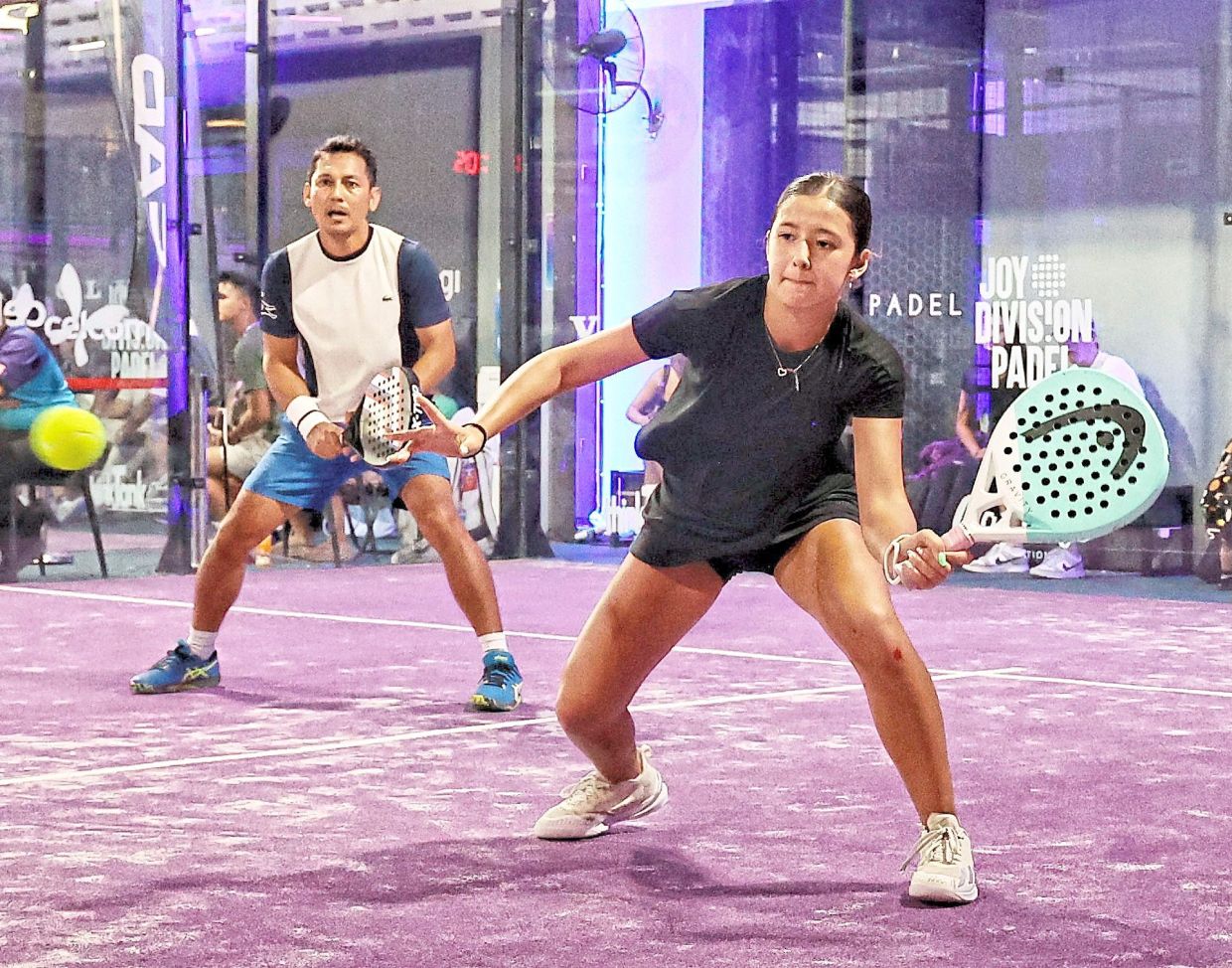
The shape of Malaysian leisure time is changing rapidly. Across the Klang Valley and other urban centres, repurposed warehouses and shopping mall rooftops now host padel courts booked solid for weeks in advance. Pickleball—once written off as a pensioner's game—has captivated players in their twenties and thirties who queue for slots at community halls and converted badminton courts. Reformer Pilates studios have sprouted throughout cities with waiting lists stretching months ahead, while running clubs that struggled to recruit five years ago now turn members away. The phenomenon extends to international events: Hyrox, a hybrid fitness race combining eight one-kilometre runs with eight functional workout stations including sled pushes, rowing and wall balls, will make its Malaysian debut at MITEC on December 12 and 13. If the Singapore edition's frenzied ticket sales are any indication, demand will be ferocious.
This explosion reflects genuine economic momentum in the wellness sector. The Finnish company Oura, which manufactures smart rings tracking sleep, heart rate and recovery data, recently filed confidentially for a United States listing valued around US$11 billion with more than 5.5 million units sold globally. Revenue is expected to reach approximately US$2 billion this year. Whoop, a rival producer of screenless fitness straps, secured US$575 million in funding at a valuation of US$10.1 billion just months ago. Investors are evidently not viewing these as mere gadgets but rather as health platforms capable of sustaining recurring subscription revenue as consumers pay monthly to monitor their bodily functions.
The underlying drivers of this shift run deeper than passing fashion. After a decade of intensive smartphone usage and its documented psychological toll, many urbanites have deliberately chosen alternative pursuits. An evening spent scrolling through social media increasingly feels counterproductive, while hours spent on a padel or pickleball court deliver tangible satisfaction and social connection. These racquet sports operate by design as communal activities played in doubles format, accessible to beginners yet genuinely competitive for experienced players. They demand just enough skill to engage sustained interest without requiring years of training. Simultaneously, traditional gyms and running clubs have assumed the social function that coffee shops once served for previous generations—gathering spaces where remote workers build relationships and routine amid employment that lacks the casual interactions of office life.
Wearable technology amplifies this cycle. Once sleep quality and training strain become quantified through data streams, physical activity transforms from nebulous intention into measurable behaviour. The numeric feedback creates accountability and motivation that aspirational thinking alone cannot sustain. For time-pressed professionals accustomed to data-driven decision-making in their careers, this quantification feels natural and compelling.
From a public health perspective, this trend carries genuinely positive implications for Malaysia. Current statistics reveal that more than half of all Malaysian adults are overweight or obese, while diabetes, hypertension and heart disease exact enormous costs across families and the health system. Regular physical activity remains the single most cost-effective intervention available. It reduces blood pressure, enhances insulin sensitivity, improves mental health markers, safeguards cognitive function and extends healthy lifespan. The surge in recreational sport participation therefore represents a victory against lifestyle disease.
Yet orthopaedic and sports medicine specialists nationwide are documenting a troubling countertrend. The archetypal injured weekend athlete is a desk-bound professional aged 40 to 55 who discovers padel or commits to a Hyrox event through friendship circles and rapidly escalates from sedentary to four training sessions weekly within a single month. The cardiovascular system adapts swiftly to such intensity. Tendons, ligaments and cartilage operate under entirely different biological timescales—they require months to strengthen in response to loading, not weeks. Sudden dramatic increases in physical demands punish unprepared connective tissues.
The injury patterns emerging follow predictable anatomical logic. Padel and pickleball require explosive lateral lunges, rapid directional changes and overhead striking motions that impose extreme forces on the lower leg and shoulder complex. Calf tears, Achilles tendon ruptures, knee ligament injuries and rotator cuff problems are climbing wherever these sports proliferate. American investment analysts at UBS estimated that pickleball injuries alone would generate between US$250 million and US$500 million in annual medical expenses across the United States, with the heaviest burden falling on players over 60. Similar proportions seem likely to emerge in Malaysia's aging and increasingly active population.
The injury trajectory typically unfolds in stages. Newcomers experience delayed-onset muscle soreness after their first sessions—uncomfortable but expected. As training frequency increases without corresponding recovery time, small strains accumulate. The body's natural warning system, pain, arrives too late. A minor Achilles tendon micro-tear sustained during a padel session may feel irritating but tolerable, causing players to dismiss it as typical soreness. Continued playing transforms this microscopic injury into a substantial tear requiring months of rehabilitation and potentially threatening long-term mobility. Knee ligament injuries similarly progress from minor sprains that seem manageable to complete ruptures requiring surgical reconstruction if proper rest and early intervention are neglected.
Several factors converge to make Malaysian urbanites particularly vulnerable to this injury cycle. First, the intense working culture in financial services, technology and professional sectors means many professionals spend eight to ten hours daily in seated positions, leaving musculoskeletal systems deconditioned. Second, Malaysia's tropical climate and heat mean that outdoor recovery protocols like easy running or walking are less accessible than in cooler climates, potentially accelerating the overuse injury pattern. Third, the culture of enthusiastic commitment—once someone joins a padel group or running club, social pressure and personal motivation drive them to maintain participation even when experiencing early warning signs of injury.
Reversing this pattern requires sustained education and behaviour change. Medical professionals must communicate clearly that connective tissue adaptation operates on monthly and seasonal timescales, not weekly ones. Beginners should progress gradually, increasing training volume by no more than ten per cent weekly, a principle widely ignored in the current enthusiasm. Recovery strategies—adequate sleep, balanced nutrition, mobility work and strategic rest days—deserve equal emphasis to the sport itself. Wearable devices could prove surprisingly valuable here: the same technology that quantifies training intensity could track recovery metrics and alert users when overtraining thresholds approach.
The challenge lies in timing this messaging effectively. Enthusiasm for new activities naturally peaks when participants are freshly recruited and most injury-prone. Padel facilities and fitness clubs occupying a growing niche in Malaysia's leisure economy should consider mandatory education components for new members alongside their promotional efforts. Employers offering gym memberships or wellness programs have responsibility for ensuring their benefits do not inadvertently create injuries requiring expensive medical intervention. Government health campaigns addressing lifestyle disease should acknowledge this emerging tension: encouraging activity while preventing the harm that poorly managed activity introduces.
Malaysia's fitness boom reflects genuine positive momentum toward healthier lifestyles and more vibrant urban community spaces. That momentum becomes counterproductive only when it translates into preventable injuries sidelining individuals for months or threatening permanent damage. The window for intervention remains open, but only if healthcare providers, fitness industry operators and enthusiastic participants themselves adopt more nuanced approaches balancing enthusiasm with the biological realities of human tissue adaptation.

