The infrastructure supporting the world's artificial intelligence revolution operates at a frequency most people cannot hear but increasingly cannot ignore. Across the United States, residents living near data centres—the industrial facilities that power everything from cloud computing to machine learning—are waging legal battles against a form of pollution that traditional regulations never anticipated: the ceaseless, low-frequency drone of cooling systems, diesel generators, and industrial fans running twenty-four hours a day. The sound has become so pervasive and so destructive to quality of life that three separate communities have filed lawsuits against data centre operators, marking a turning point in how society reckons with the hidden environmental costs of technological progress.
The scale of data centre proliferation is staggering. According to analysis by the Pew Research Center, the United States now operates more than 3,000 data centres with an additional 1,500 in active development. These sprawling industrial complexes house thousands of servers and processing chips that execute billions of operations daily, storing and managing the vast quantities of data that underpin modern digital life. For decades, these facilities operated largely unnoticed in the background of American consciousness, their presence acknowledged only by those in the technology sector who understood their critical importance. But the explosive growth of artificial intelligence has fundamentally changed the equation. The computational demands of AI systems require substantially more power and cooling capacity than traditional data centre operations, triggering a construction boom that is bringing these facilities closer to residential areas than ever before.
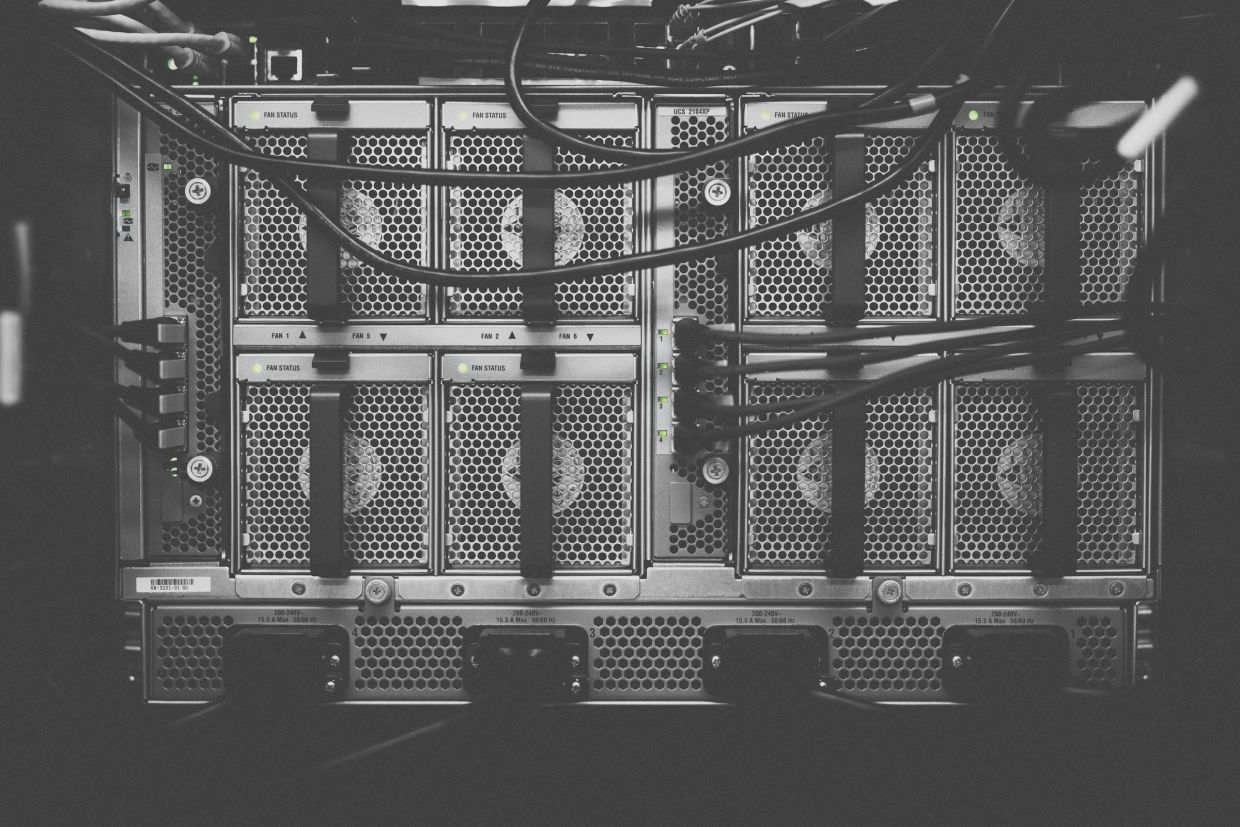
The acoustic challenge posed by data centres stems from their basic operational requirements. Thousands of memory chips and processors generate enormous amounts of heat that must be continuously dissipated through vast industrial cooling systems. Giant fans and cooling apparatus must run perpetually to prevent hardware from overheating and failing. Many facilities also maintain diesel-powered generators to supplement grid electricity, since the drawing of power required to operate a data centre often exceeds what local electrical infrastructure can supply. The combination of these mechanical systems creates a distinctive acoustic profile: a low, persistent humming sound that penetrates far beyond the facility's physical boundaries. Researchers at the Pew Center found that nearly forty percent of American homes now sit within five miles of at least one operational data centre, with proximity increasing as new facilities continue to be built in areas closer to population centres.
What makes the noise problem particularly insidious is that much of the sound falls below the range of normal human hearing. These infrasound waves—extremely low frequency vibrations—cannot typically be heard as distinct sounds. Instead, people experience them as physical sensations, similar to the deep bass vibration from a subwoofer at a concert that you feel reverberating through your body rather than hear with your ears. Scott Hamilton, a consultant with the Acoustical Society of America who specializes in data centre projects, explains that this distinction renders traditional noise measurement and mitigation strategies inadequate. The acoustic footprint of modern data centres, according to Les Blomberg of the nonprofit Noise Pollution Clearinghouse, is fundamentally different in nature and scale from any industrial sound source previously regulated in American communities.
The health impacts reported by residents living near data centres are consistent and troubling. People exposed to chronic infrasound frequently report severe sleep disruption and chronic insomnia, persistent headaches, unexplained pressure sensations in the inner ear, and elevated anxiety levels. These are not minor inconveniences but serious quality-of-life degradations that affect cognitive function, physical health, and psychological wellbeing. Importantly, residents often discover that existing legal protections offer little recourse. Noise pollution in the United States is regulated through a patchwork of local zoning ordinances that were written decades ago to address temporary nuisances like neighbourhood parties, barking dogs, or construction sites. These regulations were never designed to address the round-the-clock industrial acoustic assault of a modern data centre operating at full capacity indefinitely.
The regulatory vacuum at the federal level compounds the problem. The Reagan administration eliminated the Environmental Protection Agency's Office of Noise Abatement and Control in the early 1980s, effectively shutting down federal oversight of noise pollution. As Richard Neitzel, a professor of environmental health sciences at the University of Michigan, notes, that decision left enforcement mechanisms abandoned and obsolete. The ideological framing at the time—that federal noise regulation constituted regulatory overreach—meant that communities were left to handle increasingly serious noise problems through local mechanisms never designed for such challenges. This absence of federal authority and resources has created a regulatory grey zone where data centre operators can technically comply with local zoning codes while still generating impacts that significantly degrade residents' quality of life.
Three communities have now moved beyond complaints and official channels, filing lawsuits that challenge the fundamental adequacy of existing regulations. In Vineland, New Jersey, homeowners brought suit in federal court against DataOne USA over acoustic impacts from existing server operations and fears of worsening conditions as the company expands its facilities. According to court documents, resident Stefanie Bartiromo described the constant machinery noise as resembling a helicopter that never moves or a heavy-duty truck running perpetually, with the problem most acute during night hours when attempting to sleep. The DataOne facility, when expansion is complete, will sprawl across 2.6 million square feet and consume 300 megawatts of electrical power—equivalent to the energy requirements of a medium-sized city. Residents argue that while the data centre may technically comply with zoning codes, the continuous noise causes measurable property value depreciation and eliminates the peaceful enjoyment of their homes—impacts that warrant both compensation and mandatory operational modifications.
Similar litigation is proceeding in Dowagiac, Michigan, and Lowell, Massachusetts, where residents have targeted data centre operators over infrasound and low-frequency noise impacts. In Dowagiac, the facility involved was repurposed from a building previously used for boat and recreational vehicle storage; local residents had filed complaints about the 30-megawatt data centre's acoustic output. The pattern across all three cases reveals a common dynamic: data centre companies acquired or developed properties in communities with modest property values and relatively weak zoning enforcement, attracted by low land costs and available electrical infrastructure. These locations often offered advantages for corporate expansion but proved problematic for existing residents who suddenly found their acoustic environment transformed by round-the-clock industrial operations.
The companies being sued have responded by emphasizing economic benefits and claimed noise mitigation efforts. DataOne representatives stated that the company had already implemented measures to reduce acoustic impacts and would continue doing so as expansion projects proceed, asserting the company's commitment to being a responsible community member. This framing reflects a broader argument made by data centre operators nationwide: these facilities generate significant job creation, stimulate local economic development, and require substantial capital investment in infrastructure. The companies argue that noise complaints, while acknowledged, must be weighed against tangible economic contributions to communities that often have limited employment opportunities and declining industrial bases. This tension between economic development and quality of life sits at the heart of all three lawsuits.
For Southeast Asian readers, these American legal and regulatory battles carry important implications. As artificial intelligence adoption accelerates globally, the infrastructure demands replicating in other regions including Asia. Data centre development is already expanding rapidly throughout Southeast Asia, with major facilities in Singapore, Thailand, and other countries. The noise and infrasound problems documented in the United States—problems that emerged from inadequate regulatory frameworks and insufficient attention to health impacts during initial planning—could readily manifest in Southeast Asian communities if similar oversight gaps exist. Malaysia, as a technologically sophisticated economy increasingly interested in AI development and digital infrastructure, should examine these cases carefully when contemplating data centre expansion. The litigation unfolding in Vineland, Dowagiac, and Lowell represents early-stage recognition that industrial development benefiting the broader economy can impose serious concentrated costs on specific communities. Understanding these costs before they materialize allows for better planning, regulation, and mitigation strategies that balance legitimate economic interests with residents' fundamental rights to health and peaceful enjoyment of their homes.

