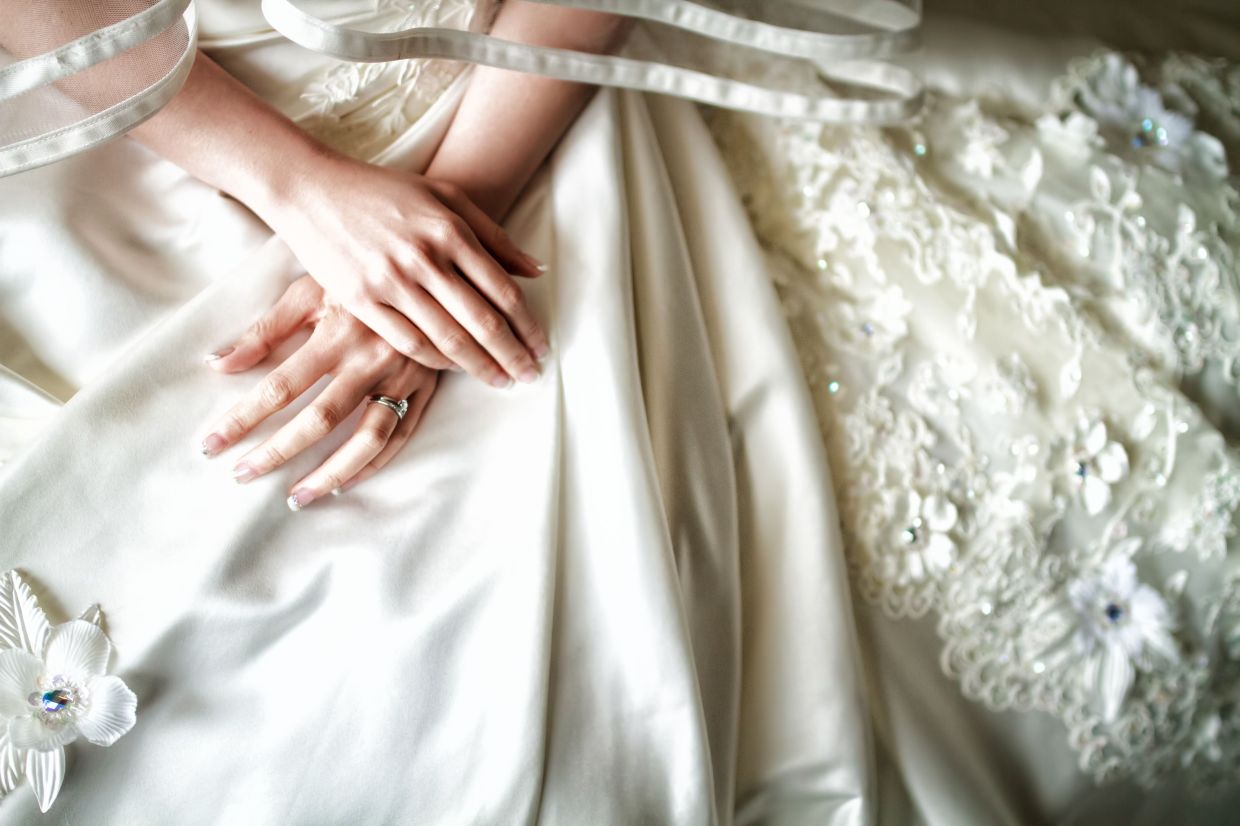
For many people across Southeast Asia and beyond, an inherited wedding dress represents far more than fabric and thread. It embodies decades of family narrative, the hopes and dreams of previous generations, and tangible connections to ancestors whose lives have otherwise faded into memory. The question of what to do with a mother's or grandmother's wedding gown—particularly when there are no daughters or future brides to continue the tradition—forces families to confront difficult choices about sentiment, practicality, and identity. This dilemma has become increasingly common as family structures evolve and inheritance patterns shift in modern societies.
Clothes function as powerful repositories of human experience in ways that few other possessions can match. Psychologists and fashion historians have long recognised that garments carry emotional resonance because they bridge the physical and temporal—they touched the skin of people we love, marked pivotal moments in their lives, and survived when memories fade. A wedding dress is particularly laden with significance because it typically marks a single, irreplaceable moment: the beginning of a marriage, the transformation into adulthood, or the embodiment of dreams held during a specific era. When that dress has been worn by multiple generations, its symbolic weight multiplies, accumulating layers of meaning and memory that make disposal feel almost like a betrayal of family history.
Yet the practical realities of modern life introduce counterpoint to this emotional attachment. Closets have finite space, and storage of delicate fabrics requires careful climate control and pest prevention. The line between cherishing heritage and succumbing to hoarding can blur dangerously, particularly for those with strong emotional connections to objects. Cameron Silver, a luxury consultant who founded Decades, one of America's original high-end vintage boutiques, has spent years guiding clients through these decisions. His approach emphasises that deciding to release a garment is intensely personal and should never be rushed. Rather than prescribing whether something should be kept or discarded, Silver helps individuals reflect deeply on their motivations and whether an item continues to serve an active purpose in their current life.
Silver recommends a framework of straightforward but revealing questions. Does the dress fit your body now? Would you realistically wear it again in the foreseeable future? And perhaps most tellingly: how would you feel if this item were lost, stolen, or destroyed? The answers to these questions often clarify whether the attachment is rooted in genuine desire to wear or display the piece, or whether it represents broader anxiety about severing connections to the past. This distinction matters enormously because it determines which preservation or release strategy will ultimately bring peace rather than lingering regret.
For those determined to maintain a connection with an heirloom dress, several thoughtful alternatives exist. One option involves transforming the garment into something wearable—a cocktail dress, a christening gown for a child, or even decorative elements incorporated into a new garment. This approach preserves the material and its history while releasing it from the constraint of its original purpose. However, alteration carries risk; modifications that serve contemporary fashion may obscure or damage historical elements that give the dress its distinctive character. The dress loses its identity as a wedding gown and becomes something else entirely, which some find liberating and others experience as a form of loss.
A second pathway involves donation to organisations that give wedding dresses second lives. Brides Across America exemplifies this model by providing gowns to engaged military personnel and emergency medical workers who might otherwise lack the financial means for formal wedding attire. This approach transforms the dress into an active participant in another woman's significant life moment. Emily Spivack, a documentarian who works with families navigating these transitions, suggests including a written note about the dress's provenance and history so that the new wearer understands and carries forward the narrative attached to the garment. This practice bridges the emotional needs of both the original owner and the recipient, creating continuity across generations of strangers who become bound by shared connection to a single object.
Another option involves creating a documented memory without physical retention. Spivack facilitates workshops where participants bring garments with family significance, photograph them, write their stories, and discuss their emotional relationship to the items. This process of formalising memory into narrative and image often provides sufficient closure to enable participants to release the physical object. The story can then circulate among family members through photographs, written accounts, or digital archives, preserving the essential information and emotional content without requiring ongoing physical storage. For families separated by geography—increasingly common across the migration patterns within and from Southeast Asia—this approach makes family heritage accessible across distance.
Universities and educational institutions have begun recognising that wedding dresses possess pedagogical value precisely because of their everyday rather than elite significance. Cornell University's Fashion + Textile Collection holds nearly 350 wedding gowns and related accessories among its 11,000 objects. Unlike traditional museum costume collections focused on design innovation or exceptional textiles, these academic collections treat clothes as historical documents that illuminate how ordinary people navigated major life transitions within particular cultural and economic contexts. A 1942 wedding gown created by British dressmaker Cylka Berke for her own wartime wedding exemplifies this approach. Rather than being valued for exceptional design or craftsmanship, the dress serves as a primary source document about rationing, material scarcity, design adaptation, and the continuation of ritual during global conflict. The choice of rayon rather than silk—because military needs required silk for parachutes and escape maps—becomes a material record of wartime priorities and civilian creativity.
Schools including Smith College, Drexel University, and Ohio State University have developed collecting programmes specifically aimed at acquiring garments from ordinary lives rather than celebrity closets or high fashion archives. These institutions recognise that future historians and students will understand their ancestors' lives more completely through the objects ordinary people wore and valued. A dress worn on a wedding day reveals information about class, geography, aspiration, available resources, and aesthetic values that cannot be captured in written records alone. For families wanting their ancestors remembered and studied, donating to educational collections offers a form of immortality quite different from family transmission but perhaps equally meaningful.
The decision to part with an inherited wedding dress ultimately requires weighing multiple competing values: the emotional and historical significance of the object, the practical constraints of storage and maintenance, the desires of current and future family members, and the possibility of contributing to broader historical understanding. There is no universally correct answer, but Silver's therapeutic approach recognises that clarity emerges from honest self-examination rather than guilt-driven decision-making. Whether a family chooses to transform, donate, document, or release an heirloom dress, the process itself—undertaken consciously and with full recognition of what is being released or maintained—honours both the past and the present. In this way, letting go need not mean abandonment of memory, but rather a deliberate choice about how that memory will be carried forward into whatever future awaits.

