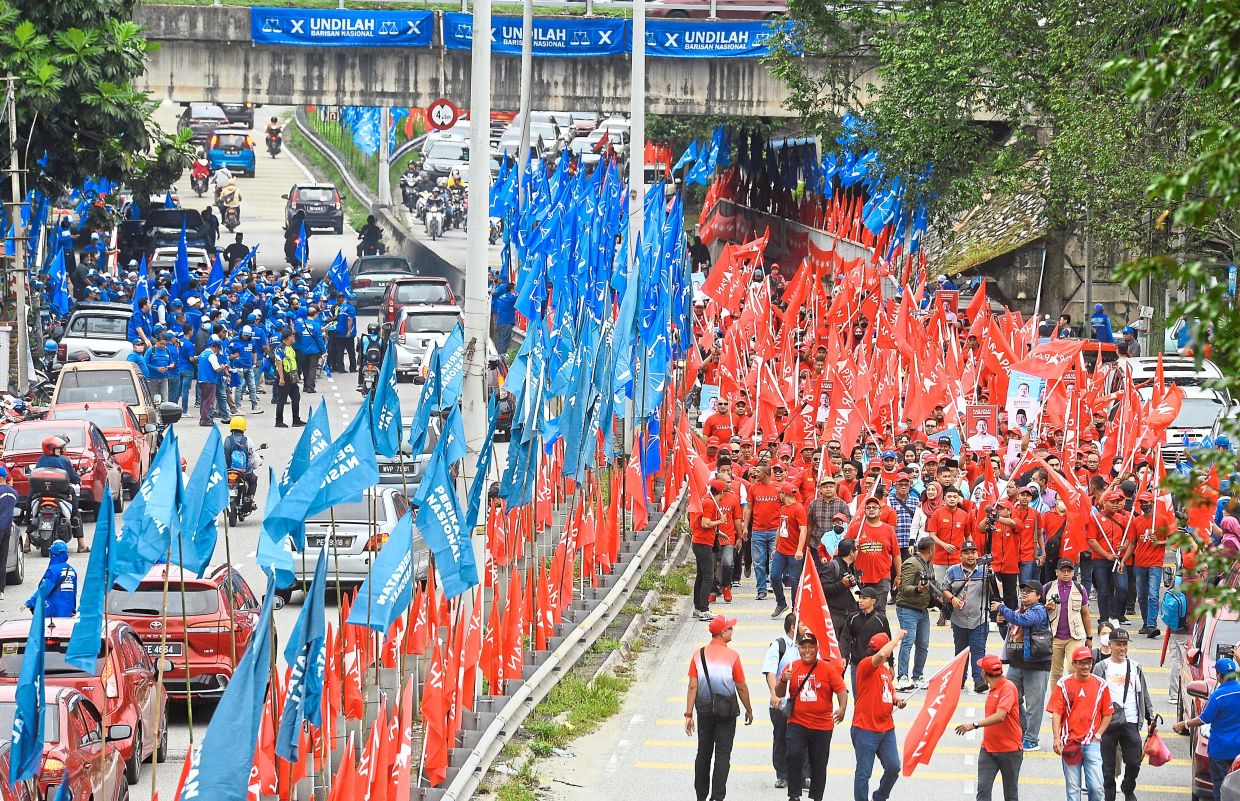
The approach of electoral contests transforms Malaysia's political landscape into a cauldron of psychological intensity for those seeking office and the public watching from the sidelines. With nominations looming for the 2026 state elections in Johor and Negri Sembilan, local politicians face mounting anxiety about their political futures—a uniquely demanding period when careers hang in the balance and career trajectories shift with electoral outcomes.
For aspiring candidates navigating the nomination process, uncertainty dominates daily existence. Those who have successfully secured their place on the ballot face different but equally taxing concerns: the possibility of electoral defeat weighs heavily, particularly for incumbents and established figures whose reputations depend on continuous voter endorsement. The prospect extends beyond temporary setback; losing an election can mean surrendering ministerial portfolios, parliamentary seats, grassroots influence and social standing. For many politicians, these contests represent existential challenges to their long-term ambitions and personal identity.
This electoral pressure manifests in tangible physical symptoms that amplify as campaign seasons intensify. Disrupted sleep patterns, exhaustion and heightened irritability characterise the daily lives of candidates competing for votes. Social media compounds these challenges, regularly amplifying unverified allegations and damaging narratives about contenders. The psychological burden of constant scrutiny, coupled with the relentless news cycle and public commentary, creates a sustained stress environment that tests even seasoned political operators.
Yet Malaysian politicians have demonstrated remarkable resilience when circumstances become most challenging. Many dig deeper into their reserves of determination and strategic acumen precisely when the odds appear insurmountable. This breed of political participant often transforms pressure into performance, channelling anxiety into campaign momentum and voter engagement.
Beyond the political class, ordinary Malaysians experience their own election-related strain. The upcoming contests promise heightened stress across the population, transcending party affiliation or voting preference. Constant media saturation, workplace debates, family dinner table conversations and social media discourse about electoral outcomes create an inescapable political atmosphere. Voters grapple with genuine concerns about how electoral results might reshape economic conditions, policy directions and societal trajectory. The multiplication of political parties, shifting alliance structures and novel campaign strategies inject additional complexity into the decision-making process, particularly for citizens already fatigued by the current political environment.
When political identity becomes inseparable from personal identity, disagreement transforms into something more corrosive than mere policy debate. Political differences begin to feel like personal rejection or betrayal. This psychological fusion intensifies animosity between supporters of different parties. Citizens fearing their preferred candidate or party might lose experience genuine distress about societal implications, while anxiety about uncertain outcomes triggers defensive and reactive behaviour patterns.
The campaign period amplifies negativity through media channels and digital platforms, creating a cumulative stress environment that deteriorates relationships within families, workplaces and communities. People become more emotionally reactive, withdraw from social interaction or display uncharacteristic irritability. Fortunately, Malaysia's political culture exhibits a striking characteristic: once votes are tallied and outcomes determined, the acrimony typically dissipates rapidly. Political rivals return to amicable terms, their supporters similarly abandoning confrontational postures. This post-election reconciliation suggests Malaysian society possesses underlying cohesion that transcends partisan division.
The physiological consequences of election anxiety warrant serious consideration. Sustained stress activates the autonomic nervous system, triggering elevated adrenaline and cortisol release. These stress hormones produce measurable impacts on cardiovascular health; excessive adrenaline increases heart attack and stroke risk. Elevated cortisol disrupts multiple bodily systems simultaneously—elevating blood glucose levels, undermining immune function and narrowing blood vessels through vasoconstriction. These aren't merely psychological phenomena but documented biochemical responses with lasting health implications.
The amygdala, those almond-shaped brain structures regulating sensory processing, memory formation, decision-making and emotional regulation, becomes hypersensitive during stress periods. Under election-related pressure, the amygdala may trigger disproportionate or irrational responses to stimuli that would normally receive measured consideration. This neurological reality helps explain why voters and politicians alike sometimes behave in uncharacteristically emotional ways during campaign seasons.
While Malaysia lacks comprehensive epidemiological studies quantifying election anxiety's mental health burden, international precedent provides sobering perspective. Britain's 2019 general election saw one in three people report deteriorated mental well-being directly attributable to electoral uncertainty and anticipated policy shifts. American research conducted ahead of the 2024 presidential election found fifty-six percent of adults identified the contest as a significant life stressor. These patterns across diverse democracies suggest election anxiety represents a genuine, measurable public health phenomenon regardless of national context.
Individual personality characteristics and accumulated historical experience shape how differently people respond to electoral cycles. Some voters approach balloting primarily motivated by gratitude toward incumbent performers or civic obligation to participate. Others arrive at voting booths after months of deliberation spanning policy substance, political ideology and candidate records. Registered voters represent varied psychological profiles, yet most demonstrate genuine commitment to exercising their franchise meaningfully.
The pattern repeating across electoral cycles worldwide suggests that democracy itself carries an inherent psychological price. The stakes involved in electoral outcomes, combined with uncertainty about results and intense media coverage, generate stress responses that ripple through entire populations. Yet this anxiety also reflects citizens' underlying recognition that elections matter—that their votes shape collective futures. Managing the emotional toll requires acknowledging that election-related stress represents a normal response to significant life events, though its cumulative effects warrant attention to personal well-being and community mental health resources during these politically charged periods.

