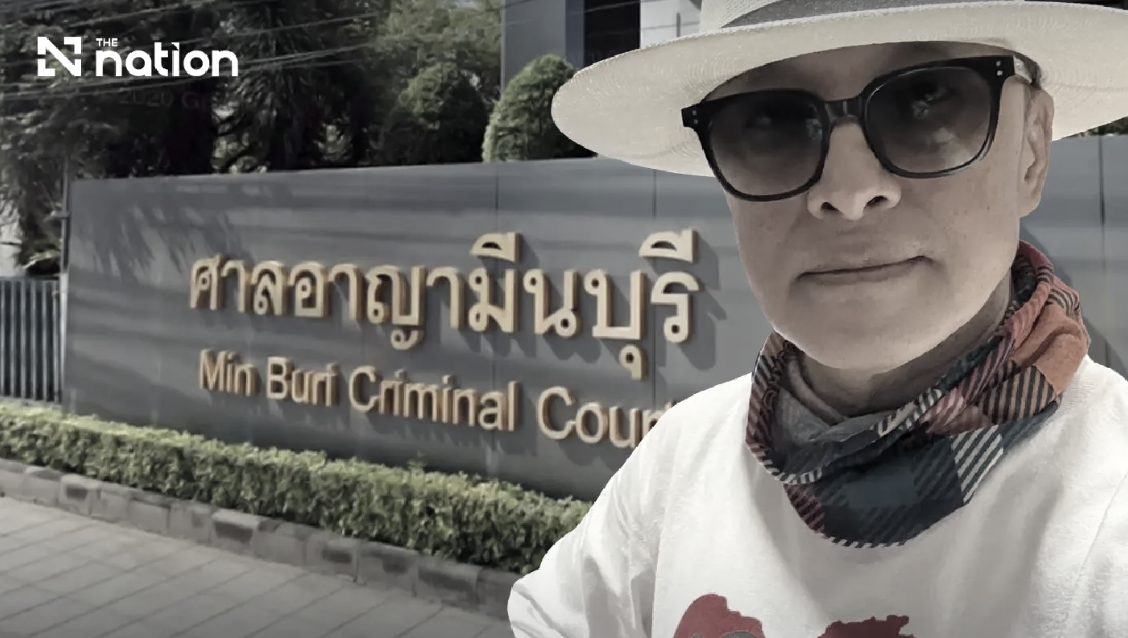
A Bangkok criminal court has sentenced Manasawin Nantasin, the singer popularly known as Tik Shiro, to two years imprisonment following a fatal motor vehicle accident caused by his intoxicated driving. The conviction marks a rare instance of a high-profile Thai entertainer facing custodial punishment for such an offence, coming at a time when public discourse in Thailand has increasingly focused on accountability among the country's wealthy and celebrated figures.
Manasawin gained widespread recognition across Thailand during the late 1980s and 1990s, establishing himself as one of the nation's most distinctive performers through his carefully cultivated stage persona. The entertainer became instantly recognizable for his trademark fedora hat, black leather jackets, and virtuosic dance choreography—elements that drew consistent comparisons from Thai audiences and media commentators to the global pop phenomenon Michael Jackson. His considerable commercial success during those decades transformed him into a cultural figure, though his prominence had diminished considerably in the years preceding the incident.
The tragic collision occurred in October 2024 when Manasawin was operating his vehicle across one of Bangkok's bridges. His car struck a stationary motorcycle, resulting in the immediate death of a 28-year-old woman who had been seated on the bike. The impact was severe enough to propel her younger brother, aged 21, entirely off the bridge. The young man sustained critical injuries from the fall and was transported to a hospital, but succumbed to his wounds several days later, bringing the death toll to two.
The immediate aftermath of the accident generated significant coverage when footage circulated showing Manasawin kneeling in apparent distress at the accident scene. The video rapidly spread across Thai social media platforms and news outlets, sparking widespread discussion about culpability and justice. The incident's high visibility proved consequential given Thailand's ongoing social conversation regarding whether individuals of prominence and influence face equivalent legal consequences as ordinary citizens.
When the case proceeded before Bangkok's criminal court on Wednesday, the judicial panel imposed the two-year sentence for the charge of "drunk driving resulting in loss of life." The court's formal statement acknowledged several mitigating factors in determining the sentence length. The court noted that Manasawin had surrendered to authorities and cooperated with the investigative process by providing statements useful to the prosecution's case development.
Additionally, the court took into consideration evidence that Manasawin had demonstrated contrition following the tragedy. He attended the funeral services for the victims and arranged financial compensation payments to the bereaved families—actions that Thai jurisprudence typically regards as meaningful indicators of remorse. Despite these considerations, the court ordered the permanent revocation of his driving privileges, effectively preventing him from operating any motor vehicle in Thailand.
The Manasawin case arrived at sentencing the same week that another Thai musician, rock artist Sek Loso, was being released from incarceration after completing a sentence of just over one year for drug possession and unlicensed firearm charges. While both cases involved celebrity defendants, the contrast in their treatment and the particular nature of their respective convictions have done little to allay broader Thai skepticism regarding equal application of the law.
That skepticism is substantially rooted in Thailand's documented history of high-profile cases involving privileged defendants who escaped serious prosecution. The most notorious example remains the 2012 incident involving Vorayuth Yoovidhya, heir to the Thai Red Bull beverage fortune. Yoovidhya struck and killed a Bangkok police officer with his Ferrari in an upscale neighbourhood, yet despite an investigation being conducted, he was never formally charged with any offence. The case became emblematic of perceived judicial disparities.
Another frequently cited instance concerns a son of former Pheu Thai Member of Parliament Chalerm Yubamrung, who allegedly discharged a firearm fatally against a man during a confrontation at a crowded Bangkok nightclub in 2001. Despite the fatal shooting occurring in a public venue with numerous potential witnesses, the defendant was ultimately acquitted when the court determined the evidence presented was insufficient to secure a conviction. These cases have fostered considerable public conviction that Thailand's legal system operates with measurably different standards depending on the defendant's social standing and familial connections.
Manasawin's two-year sentence therefore carries considerable symbolic significance within Thailand's contemporary public discourse. Whether the outcome genuinely represents an evolution toward more equitable accountability for prominent individuals, or simply reflects the particular circumstances of his case—his immediate admission, public expressions of remorse, and financial restitution—remains a subject of active debate among Thai citizens and legal analysts.
The case touches upon fundamental questions about the relationship between celebrity status, wealth, and legal accountability that resonate throughout Southeast Asia. Thailand's entertainment industry, with its substantial cultural influence and economic footprint, has historically operated within a framework where professional success and public prominence sometimes appeared to shield individuals from conventional legal consequences. The Manasawin conviction may signal gradual institutional change, though observers note that meaningful assessment requires observing patterns across multiple cases rather than isolated incidents.