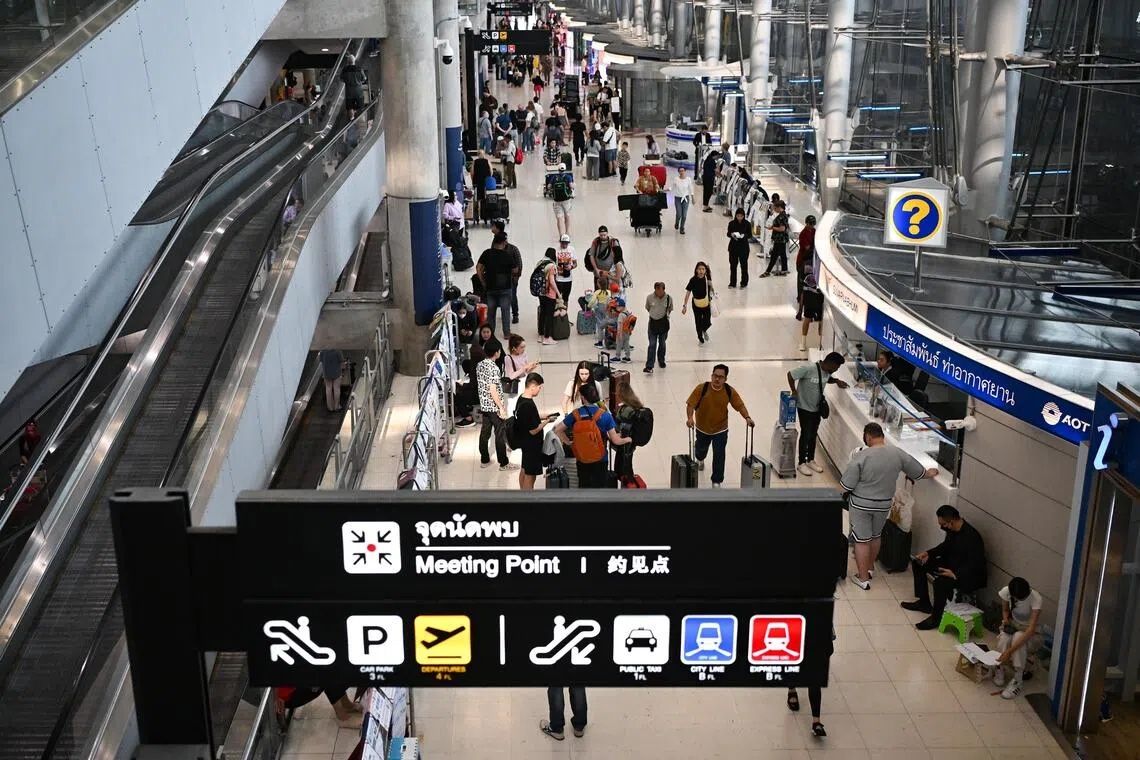
Thailand is preparing to significantly expand its automated passport control system at Suvarnabhumi Airport, bringing self-service immigration gates to visitors from 31 additional nationalities by the end of August. The expansion represents a crucial step in addressing chronic congestion at Southeast Asia's busiest aviation hub, which processes approximately 190,000 passengers daily during peak tourism periods. Deputy Government Spokesperson Lalida Persvivatana confirmed that the Immigration Bureau has approved the measure in principle, with officials currently completing final documentation and signing procedures necessary for implementation.
The airport's immigration infrastructure faces mounting pressure from the sheer volume of international traffic it handles. Around 70,000 foreign arrivals flow through Suvarnabhumi each day when tourism reaches its seasonal peak, with the busiest hours occurring between 1 pm and 5 pm, during which immigration areas must process between 5,000 and 6,000 passengers hourly. This concentration of arrivals during specific windows creates bottlenecks that significantly delay visitor processing, potentially affecting tourist satisfaction and Thailand's competitive position in regional tourism markets. The automated gates initiative directly targets this pain point by redistributing passenger flow away from manual immigration checkpoints.
Once fully operational, the expanded auto-gate system is expected to benefit approximately 6.5 million additional passengers annually, working alongside roughly 900,000 holders of qualifying long-term visa categories. Collectively, these eligible groups represent more than half of all arriving international visitors, meaning the automation system will eventually serve as the primary immigration pathway for the majority of foreign tourists and business travellers entering Thailand. This threshold is significant because it transforms the automated process from a convenience feature for privileged travellers into the mainstream immigration experience for most international arrivals.
Deputy Prime Minister Suphajee Suthumpun and Tourism and Sports Minister Surasak Phancharoenworakul conducted an inspection of airport facilities alongside Deputy Transport Ministers to assess current conditions and coordinate implementation planning. The high-level visit underscores the Thai government's recognition that immigration efficiency directly influences tourism competitiveness and overall visitor experience. During the site visit, officials discussed not only the immediate auto-gate expansion but also longer-term infrastructure improvements required to accommodate accelerating passenger growth and maintain Thailand's attractiveness as a regional travel destination.
The rollout timeline will follow a carefully sequenced approach, with expansion proceeding according to equipment availability, security system readiness, and completion of biometric data integration protocols. Importantly, first-time visitors using the automated gates will still need to complete biometric registration, typically involving fingerprint and facial recognition scanning. This requirement ensures security standards remain robust despite increased automation, preventing the system from becoming a potential vulnerability in border control. The biometric component also enhances future efficiency, as returning visitors will thereafter enjoy fully automated processing without manual intervention.
Thailand's tourism trajectory demonstrates the urgency of infrastructure expansion. From January through mid-July of this year, the kingdom welcomed approximately 17.36 million foreign tourists, representing substantial recovery and growth in international visitation. This figure indicates that immigration processing demands will only intensify as tourism continues rebuilding, particularly as regional travel patterns stabilise and long-haul visitors return to Southeast Asian destinations. Without proactive infrastructure improvements like the Suvarnabhumi auto-gate expansion, bottlenecks could undermine the tourism recovery by creating negative first impressions among arriving visitors.
Official statements emphasise that the immigration efficiency initiative extends beyond merely reducing queue waiting times. Lalida stressed that the comprehensive objective encompasses delivering convenient, swift, and secure airport experiences from the moment tourists disembark their aircraft. This holistic perspective recognises that modern travellers evaluate destinations partly based on arrival experiences, and extended immigration queues create lasting negative perceptions regardless of a country's attractions. By contrast, efficient automated processing signals professionalism and modernisation, subtly reinforcing Thailand's positioning as a developed, visitor-friendly destination.
The expansion also reflects broader Southeast Asian trends toward aviation modernisation. Regional hub airports including Singapore's Changi, Kuala Lumpur's KLIA, and Bangkok's newer terminals have increasingly adopted automated immigration systems as standard infrastructure. Thailand's commitment to expanding Suvarnabhumi's auto-gate coverage demonstrates determination to match competitive standards set by neighbouring aviation hubs. For Malaysian readers, the initiative is particularly relevant as Thai tourism policy directly influences cross-border travel patterns and regional aviation competition, especially given Malaysia's similar reliance on international tourism revenue.
Discussions during the ministerial visit also encompassed broader infrastructure requirements beyond immigration processing. Officials considered expanding passenger waiting areas, improving transit facilities, and planning long-term infrastructure development necessary for accommodating projected passenger growth. These conversations indicate that Thai planners recognise immigration automation as merely one component of comprehensive airport modernisation. Simultaneous investments in terminal capacity, facilities quality, and transit amenities are equally essential for maintaining Suvarnabhumi's regional competitiveness and supporting Thailand's ambitions to increase international visitor numbers.
The initiative carries implications extending beyond airport operations into Thailand's broader tourism strategy. By reducing visitor friction at the gateway airport, automated immigration processing removes a potential deterrent for price-sensitive regional travellers and encourages longer stays by minimising time lost to administrative procedures. For business travellers and conference attendees particularly, efficient airport processing influences decisions about holding events in Bangkok versus competing regional cities. The auto-gate expansion therefore represents an investment in Thailand's destination competitiveness within the interconnected Southeast Asian tourism ecosystem.

