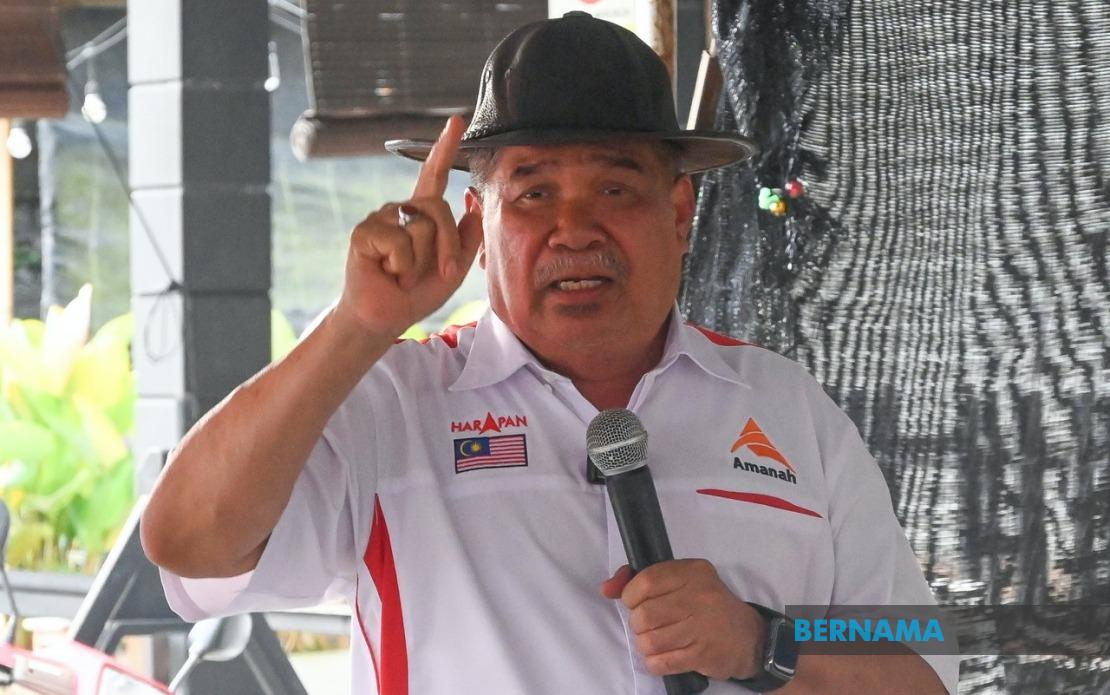
Negotiations between Malaysia and Thailand over the importation of shrimp are approaching their conclusion, with a settlement anticipated within the next fortnight, Agriculture and Food Security Minister Datuk Seri Mohamad Sabu announced in Kota Bharu on August 8. The minister's comments came during an appearance at the closing ceremony of the Road to MAHA 2026 East Coast Zone programme, where he briefed media on the status of the dispute that has strained bilateral trade relations in the aquaculture sector.
The dispute centres on Malaysia's decision to place temporary restrictions on five commercially important shrimp varieties imported from Thailand, a move implemented on June 1. The suspension affects Penaeus esculentus, commonly known as brown tiger shrimp; Fenneropenaeus merguiensis or banana shrimp; Penaeus vannamei, the widely-farmed white shrimp; Penaeus monodon, the tiger shrimp valued in Asian markets; and Penaeus stylirostris, the blue shrimp. These species collectively represent a significant portion of Malaysia's shrimp import portfolio, and their restriction has prompted urgent diplomatic engagement to restore trade flows.
The Malaysian government imposed the restrictions as part of a broader effort to strengthen oversight mechanisms governing seafood imports from neighbouring countries. Officials have attributed the move to the need for more rigorous quality assurance and safety protocols within fishery products entering Malaysian markets. While the government has not publicly detailed the specific concerns that prompted the restrictions, industry observers have noted that food safety compliance and disease prevention in aquaculture have become increasingly sensitive issues across Southeast Asia, particularly following various health incidents in farmed shrimp operations.
Thailand remains one of Malaysia's principal sources of aquaculture products, with shrimp among the highest-value items in this trade relationship. The bilateral commerce in seafood reflects the broader agricultural interdependencies that characterise the region, where countries often rely on neighbours to supplement domestic production. For Malaysian consumers and food retailers, the restrictions have created supply uncertainties and potential price pressures, as domestic shrimp farming capacity cannot fully compensate for imported volumes. The resolution of this dispute therefore carries implications extending beyond mere diplomatic courtesy to affect food availability and affordability at the retail level.
Looking beyond the immediate trade issue, Minister Mohamad outlined his vision for Malaysia's agricultural future through the MAHA 2026 initiative, which he described as a platform for technological advancement and international cooperation. The ministerial comments reveal a strategic pivot toward innovation as a cornerstone of Malaysian agricultural development, with the major biennial showcase set to attract participants from an expansive geographic range including African nations, Central Asian countries, China, the United Kingdom, Japan, and the United States. This unprecedented breadth of participation reflects growing global recognition of agriculture's centrality to food security concerns in an increasingly interconnected world.
The minister emphasised that food security has emerged as a critical priority across international forums and bilateral negotiations. Malaysia, as a nation with substantial urban populations and limited arable land relative to its food consumption, remains structurally dependent on imports to meet the dietary requirements of nearly 34 million people. This vulnerability shapes policy decisions on food safety standards and trade relations, as government officials must balance the imperatives of maintaining adequate supply with ensuring product quality. The MAHA 2026 showcase therefore serves a dual purpose: demonstrating Malaysian commitment to modernising domestic production while simultaneously positioning the nation as a hub for agricultural innovation and knowledge exchange within the Asian region.
The Road to MAHA 2026 promotional programme has traversed Malaysia's major regions, with the Kota Bharu engagement representing the culminating stop after previous installations in Kedah, Selangor, Melaka, and Labuan. This regional roadshow strategy reflects the government's determination to build grassroots awareness and stakeholder engagement ahead of the main event. The thoroughness of this preparatory campaign suggests official confidence that MAHA 2026 will exceed previous attendance benchmarks, with projections indicating approximately five million visitors—matching the performance achieved at MAHA 2024.
Scheduled to run from August 28 through September 6, MAHA 2026 aims to generate RM58 million in direct sales revenue while catalysing RM8 billion in potential investments across the agricultural technology and modern farming sectors. The four million targeted visitor attendance figure positions the event as one of Malaysia's premier agribusiness gatherings, competing for public attention alongside the National Day celebrations that fall within the exhibition period. Industry participants view MAHA as an essential platform for showcasing innovations in mechanisation, crop genetics, sustainable farming practices, and supply chain technologies.
The minister's remarks underscore a broader governmental strategy of using international exhibitions and trade showcases to advance Malaysia's standing as a knowledge-based agricultural economy. Rather than relying solely on commodity exports, the emphasis has shifted toward value-added production, technological transfer, and establishing Malaysia as a destination for agricultural investment and innovation. This repositioning reflects long-term recognition that commodity price volatility and climate change threaten traditional farming-based economies, necessitating a transition toward technology-intensive, higher-margin agricultural operations.
For Southeast Asia more broadly, Malaysia's approach to managing the Thailand shrimp dispute while simultaneously promoting regional agricultural modernisation illustrates the complex balancing act required of policymakers in an era of increasing trade integration alongside rising consumer expectations for food safety. The resolution of the current disagreement will signal whether bilateral mechanisms can effectively address trade frictions while preserving broader cooperative frameworks. Success in these negotiations will likely facilitate similar collaborations in other contentious areas of intra-ASEAN agricultural trade.

