Thailand is preparing to convene a pair of high-level diplomatic sessions centred on Myanmar's ongoing political crisis, positioning itself as a venue for frank regional dialogue at a moment when ASEAN's cohesion on the issue faces considerable strain. The dual meetings scheduled for Sunday in Bangkok represent Bangkok's latest attempt to shepherd the Association of Southeast Asian Nations toward a more constructive and unified approach to engagement with its troubled neighbour, even as consensus among member states remains elusive.
The two separate but complementary sessions—an Informal Meeting of ASEAN Foreign Ministers with Myanmar's top diplomat, and an Extended Informal Consultation on Myanmar—underscore ASEAN's evolving strategy on the crisis that erupted following Myanmar's February 2021 military coup. Rather than issuing formal declarations or binding commitments, these informal structures allow participants greater flexibility to express views and test diplomatic ground without the rigidity that typically accompanies official ASEAN statements, which must be crafted to satisfy all ten member states.
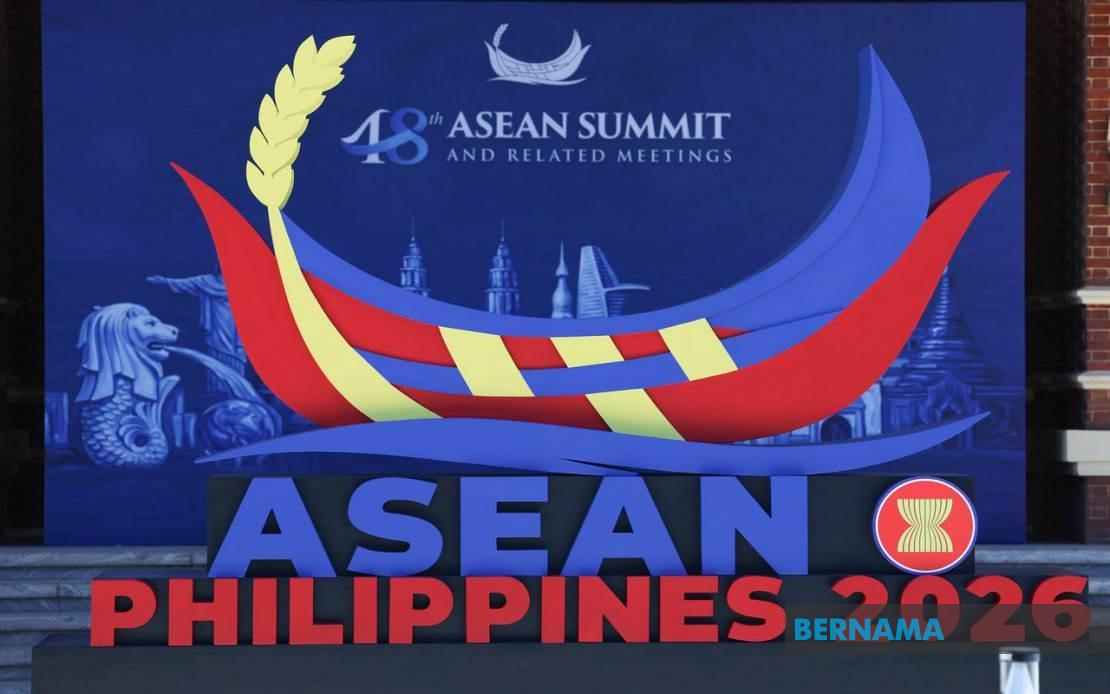
Philippines Foreign Secretary Maria Theresa Lazaro will preside over the consultations in her capacity as chair of ASEAN for the current term, while Thailand Foreign Minister Sihasak Phuangketkeow assumes the role of host nation. The expected attendance of Myanmar Foreign Minister U Tin Maung Swe signals that Naypyidaw remains willing to participate in ASEAN forums, despite persistent international isolation and domestic instability. This willingness to engage, though limited, provides ASEAN with a channel to communicate its concerns directly to the military administration.
According to Thai Foreign Ministry Deputy Spokesperson Maratee Nalita Andamo, the meetings are designed to facilitate candid exchanges among foreign ministers regarding Myanmar's deteriorating security and humanitarian situation. The framework of informal consultations permits delegates to discuss sensitive matters with greater frankness than would be possible in formal ASEAN settings, where pronouncements must navigate the sensitivities of all member states and the bloc's tradition of non-interference in internal affairs.
Central to these discussions will be ASEAN's Five-Point Consensus, a roadmap adopted in April 2021 that has become the cornerstone of the region's stated approach to Myanmar. The consensus calls for an immediate cessation of violence, dialogue among all parties, provision of humanitarian aid, and visits by an ASEAN special envoy. However, implementation has proven frustratingly slow, with the military junta resisting external mediation and the security situation continuing to deteriorate across much of Myanmar. The Bangkok meetings represent an effort to reinvigorate commitment to this framework among foreign ministers and to identify concrete mechanisms for advancement.
For Malaysia and other Southeast Asian nations, the outcome of these consultations carries particular significance. Myanmar shares borders with Thailand, Laos, and Bangladesh, and regional instability has already generated refugee flows and cross-border security concerns. A more coordinated and effective ASEAN approach could theoretically improve the situation, though sceptics note that the bloc has historically lacked the enforcement mechanisms to pressure member states into compliance with collective decisions. Myanmar, as a member state itself, benefits from the principle of non-interference that has long defined ASEAN interactions.
Maratee emphasized that the informal nature of these consultations does not represent any shift in ASEAN's existing positions or prior decisions on Myanmar. This careful clarification reflects an awareness that some member states—particularly Vietnam, Indonesia, and Singapore—have grown frustrated with ASEAN's seeming inability to hold Myanmar accountable, while others favour a more gradualist, patient engagement strategy. By characterizing the Bangkok meetings as exploratory rather than policy-setting, Thai officials seek to sidestep concerns from hardliners within the bloc who might view escalated pressure on Myanmar as a violation of ASEAN principles.
The absence of an official outcome document following the meetings further underscores the exploratory nature of these consultations. Rather than producing a communiqué that would require consensus and months of negotiation, the informal format allows ministers to report back to their respective governments on sentiments expressed and emerging areas of potential agreement. This approach reduces the likelihood of deadlock but also limits the binding force of any understandings reached.
Representation levels from participating countries were still being finalized at the time of announcement, suggesting that some governments had not yet determined whether to send foreign ministers or lower-ranking officials. This variation in diplomatic rank often signals differing levels of priority assigned by individual nations to Myanmar-related discussions. For smaller Southeast Asian nations with limited resources and competing diplomatic demands, such decisions reflect broader strategic calculations about engagement with Myanmar and deference to larger regional powers.
The timing of these meetings reflects growing recognition within ASEAN that the status quo on Myanmar is untenable. The military junta shows no signs of relinquishing power or moving toward inclusive dialogue, while the humanitarian catastrophe deepens and regional spillover effects mount. Yet ASEAN faces a fundamental dilemma: its founding principles of non-interference and consensus decision-making constrain its ability to apply meaningful pressure on any member state. Thailand's hosting of these consultations, while symbolically important, ultimately underscores the limits of what regional diplomacy alone can achieve without broader international cooperation and coordinated pressure that ASEAN as a bloc has historically resisted.
For Malaysian observers, these developments warrant close attention given Malaysia's own experience navigating regional crises and its consistent advocacy for dialogue and constructive engagement. How the Bangkok meetings unfold may provide indicators of whether ASEAN can evolve beyond declaratory statements toward more actionable collective measures on Myanmar, or whether the bloc will continue to struggle with the tension between its core principles and the mounting humanitarian imperatives of the Myanmar situation.

