Thailand is confronting a escalating crisis of school bullying in the wake of a tragedy that claimed nine lives at Debsirin Nonthaburi School in August, when a 14-year-old student opened fire on the outskirts of Bangkok. The incident has triggered national soul-searching about the widespread nature of harassment in educational institutions across the country, compelling policymakers to act while educators and mental health professionals grapple with a far more intractable challenge: transforming cultural attitudes that have long normalised and enabled such behaviour. Although investigators have not yet conclusively linked bullying to the teenager's actions, with exposure to violent gaming and academic pressure also under examination, the tragedy has brought unprecedented attention to a phenomenon that has silently afflicted countless Thai students for years.
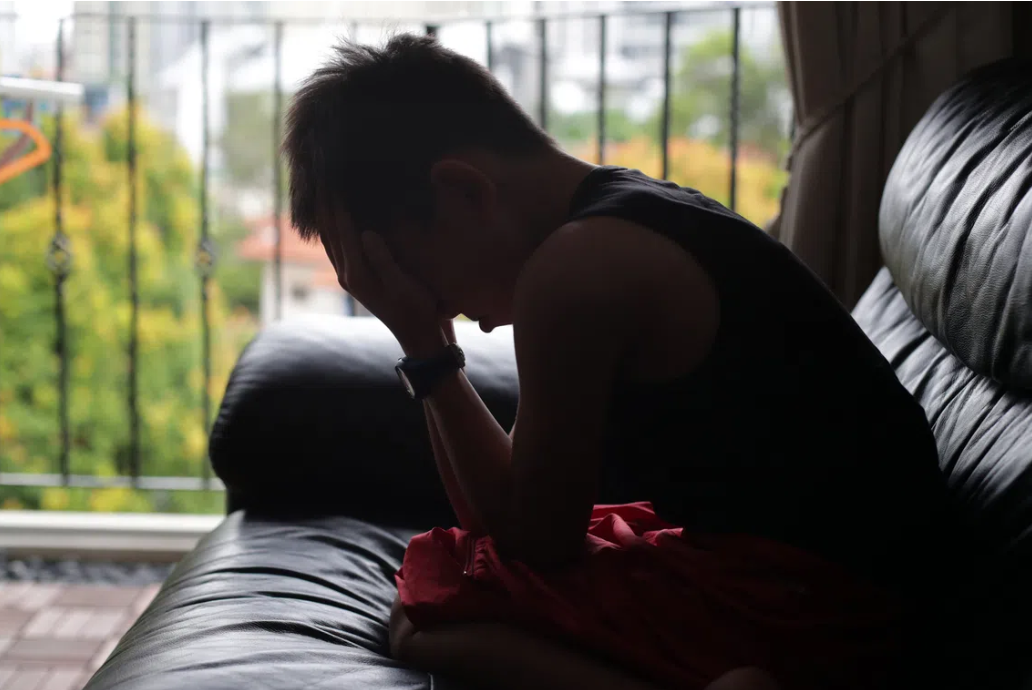
The personal testimonies emerging from this reckoning reveal the profound toll that sustained mistreatment exacts on young people. Surasit Nok-Ouam, now twenty years old and working as a gig worker, recalls a four-year ordeal beginning in kindergarten that extended into his early primary education, encompassing both verbal assaults and physical violence. His experience was not anomalous but rather representative of a deeply troubling pattern that specialists across Thailand now recognise as pervasive. What distinguishes Surasit's case is not its uniqueness but rather that he has chosen to discuss it publicly, joining a growing chorus of voices determined to shatter the silence that has traditionally surrounded such suffering.
Recent empirical data underscores the magnitude of the problem gripping Thai schools. A government survey conducted in September 2025 revealed that nearly two-thirds of approximately 42,000 respondents aged six to twenty-five reported experiencing bullying at some point. The research identified mockery concerning personal names and family members as the most frequently cited form of harassment. However, the statistics become more alarming when examining the physical dimension: approximately one in four victims reported enduring violent acts including kicking and punching, with schools emerging as the overwhelming majority of incidents' primary locations. Most disturbingly, the survey found that at least one quarter of bullying victims have contemplated self-harm, suggesting that psychological damage extends far beyond temporary discomfort.
Practitioners working directly with affected youth confirm these disturbing trends. Prieo To-uam, operating as a freelance counsellor, has witnessed a marked increase in adolescents seeking professional assistance over the preceding year. She notes that bullying constitutes a nearly universal theme across her caseload, whether her clients attend conventional Thai schools or international institutions. Many of these young people report inflicting harassment themselves, frequently characterising their initial conduct as playful banter before recognising how rapidly the behaviour intensified into genuine cruelty. This cycle suggests that prevention requires addressing not only victims but also the normalisation of aggressive conduct among perpetrators.
The mechanics of bullying in Thai settings demonstrate considerable sophistication and psychological nuance beyond simple name-calling. Surasit's experiences exemplify this complexity: groups would pursue him into bathroom facilities, dousing him with water and hurling insults, creating pervasive anxiety around ordinary activities. In another episode, a classmate publicly pulled down his trousers during physical education, transforming his humiliation into shared entertainment. Surasit observed that his defensive reactions paradoxically sustained rather than deterred the harassment, as his anger itself became a source of amusement for tormentors. Physical manifestations range from violent shoves to forced confinement in bathrooms, creating an environment of genuine danger.
Dr Aranee Vivatthanaporn, a criminology lecturer at Rangsit University, provides important analytical perspective on the apparent surge in documented cases. She contends that enhanced visibility through social media recording and dissemination may not necessarily indicate rising prevalence but rather improved documentation and public awareness of longstanding phenomena. This distinction carries significant implications: the problem may not be worsening but rather becoming impossible to ignore or conceal. A particularly striking example emerged in July when video footage from St Gabriel's College, among Thailand's most prestigious private institutions, depicted two students brutally assaulting a younger classmate, with one wielder brandishing what authorities later identified as an airsoft weapon. Such incidents at elite schools challenge assumptions that bullying is confined to lower-performing or more disadvantaged institutions.
Mental health specialists warn that the psychological consequences of sustained bullying extend substantially beyond immediate physical injury. Dr Chinun Boonroungrut from Silpakorn University's psychology department identifies depression, anger, and cumulative grievance as primary psychological sequelae. While Boonroungrut emphasises that adolescent bullying does not inevitably escalate to catastrophic violence or mass shooting events, he recognises the genuine risk that unaddressed psychological distress presents. The trajectory from persistent humiliation to crisis points remains difficult to predict, rendering early intervention critical.
A particularly vexing impediment to addressing bullying derives from deeply rooted Thai cultural concepts that have traditionally prioritised social cohesion over individual grievance. Prieo identifies kreng jai—a cultural value encompassing extreme deference, politeness, and consideration for others' feelings—as a significant barrier to disclosure and intervention. This cultural orientation frequently compels victims to internalise emotional pain rather than seek assistance or report maltreatment, fearing that complaints might disrupt group harmony or create social complications. By suppressing distress signals and psychological distress, this cultural framework inadvertently allows destructive situations to fester and intensify. Prieo warns that such prolonged emotional suppression can eventually precipitate explosive psychological crises, potentially manifesting in sudden and violent acts.
The Thai government's response has materialised relatively swiftly, with the Education Ministry announcing comprehensive interventions scheduled for implementation by early November. These measures encompass a zero-tolerance policy regarding bullying, enhanced weapons detection systems, and formal referral mechanisms for identifying at-risk students requiring intervention. Complementing these immediate actions, the ministry is advancing legislation: a proposed Student and School Safety Act designed to institutionalise mental health monitoring and post-traumatic stress screening programmes. These institutional reforms represent necessary foundational steps toward systemic change.
However, seasoned observers recognise that legislative mandates and safety protocols address only the structural dimensions of a phenomenon rooted in cultural attitudes and interpersonal dynamics. While the mechanisms for reporting and intervening represent genuine progress, transforming the social normalisation of cruelty, the cultural valorisation of stoicism in the face of mistreatment, and the tendency to prioritise collective harmony over individual protection presents a fundamentally different challenge. The most sophisticated detection systems and best-designed referral protocols cannot function effectively if students continue perceiving bullying as an unremarkable or inevitable aspect of school experience, or if victims reflexively suppress disclosure due to cultural conditioning.
For Thailand and Southeast Asian nations confronting similar patterns, the Debsirin tragedy illuminates how technological modernisation and institutional improvements, while essential, remain insufficient without parallel transformation of cultural narratives surrounding conflict, vulnerability, and communal responsibility. The immediate policy responses represent genuine commitment to child safety and represent a recognition that the status quo has become untenable. Yet the ultimate measure of success will depend not merely on whether schools implement new procedures but whether younger generations can develop healthier perspectives on peer relationships, recognise bullying as unacceptable rather than inevitable, and possess the psychological permission and practical channels to seek assistance when experiencing mistreatment. This cultural reorientation constitutes perhaps Thailand's most formidable challenge in genuinely preventing future tragedies.

