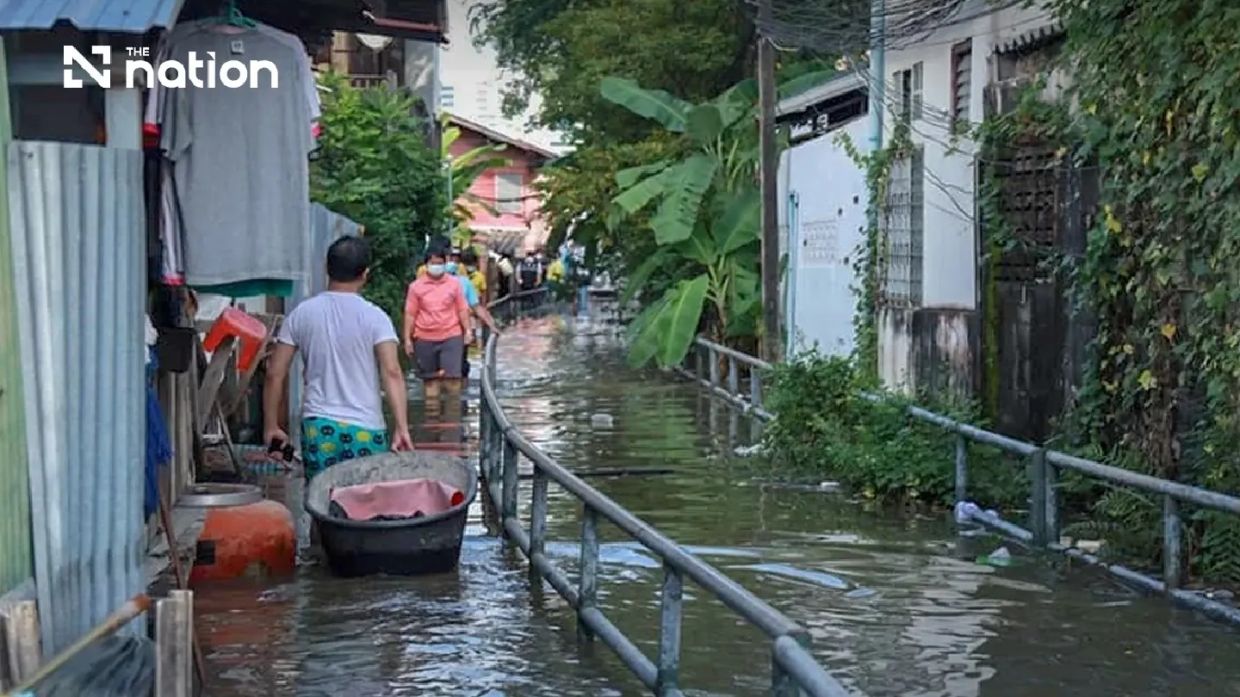
Thailand's Department of Disaster Prevention and Mitigation (DDPM) has issued a formal alert for Bangkok and six adjoining central provinces—Pathum Thani, Nonthaburi, Nakhon Pathom, Samut Sakhon, Samut Songkhram and Samut Prakan—to brace for exceptionally high tides throughout the week of July 13 to July 19. The warning comes as meteorological data indicates sustained elevated sea levels that could trigger significant water overflow in riverine systems and canals, particularly during evening peak-tide windows between 6pm and 10pm each day of the affected period.
Theerapat Kachamat, director-general of the DDPM, announced the precautionary measures on Saturday, July 11, following detailed analysis from the Royal Thai Navy's Hydrographic Department. The timing of the alert reflects a coordinated approach between national maritime authorities and disaster response agencies, with water-level monitoring focused on critical reference points including the Chao Phraya River near Phra Chulachomklao Fort. This strategic location serves as a crucial indicator for broader water movements affecting the entire central plains region and greater Bangkok metropolitan area.
The anticipated high tides pose particular risks to communities situated along riverbanks and in topographically vulnerable zones where natural elevation is insufficient to resist tidal incursion. Areas dependent on external flood defences or lacking permanent protective infrastructure face heightened exposure, while riverside settlements, commercial operations and agricultural zones could experience disruption. The DDPM has explicitly warned that water levels in the Chao Phraya, along with tributary canals and connected waterways, are expected to rise substantially, potentially saturating communities outside formally established flood barriers and overwhelming temporary mitigation measures.
Specific districts across the affected provinces have been identified as priority monitoring zones based on geographical vulnerability and past flood history. In Pathum Thani, authorities are focusing attention on Mueang Pathum Thani and Sam Khok districts, while Nonthaburi's Mueang Nonthaburi, Pak Kret and Bang Kruai districts remain under close surveillance. Nakhon Pathom's Bang Len, Nakhon Chai Si and Sam Phran districts, combined with all administrative divisions of Samut Songkhram, represent additional high-risk areas. Meanwhile, Samut Prakan's vulnerability is concentrated in Mueang Samut Prakan, Phra Samut Chedi, Phra Pradaeng and Bang Bo districts, where riverine infrastructure and population density converge in challenging configurations.
Provincial governments have been instructed to disseminate warnings broadly across resident populations and business communities, ensuring that individuals and enterprises operating near waterways understand both the timing and potential magnitude of the anticipated surge. The directive emphasises direct communication with riverside residents, small boat operators, floating restaurant proprietors and construction crews engaged in embankment work. This multi-stakeholder notification strategy reflects recognition that effective disaster prevention depends not merely on official alerts but on genuine public awareness and individual preparedness among those facing direct exposure.
The Central Disaster Prevention and Mitigation Command (CDPMC) has coordinated the alert through established provincial channels, requesting that local administrations provide residents with precise information regarding high-tide hours and encourage vigilant monitoring throughout the week. Private sector entities whose operations depend on river and canal access—including tourism operators, transport services and commercial fisheries—have been similarly alerted to secure assets and adjust activities accordingly. This comprehensive approach acknowledges that tidal flooding, while sometimes dismissed as routine seasonal inconvenience in flood-prone regions, carries cumulative economic costs and potential safety risks that merit serious preventive attention.
For Malaysian observers and Southeast Asian policymakers, Thailand's response illustrates both the technical sophistication available to regional governments for water-level prediction and the ongoing vulnerability of densely populated river delta zones across the region. The Chao Phraya and its associated waterway network represent critical economic infrastructure supporting Bangkok's position as a major regional hub, making effective flood management essential not merely for local residents but for broader commercial stability. Similar geographic and hydrological challenges confront Malaysian metropolitan areas, particularly around Kuala Lumpur and the Klang Valley, where river management intersects with urbanisation pressures.
The DDPM has established multiple information channels to ensure accessibility of warnings and coordination of response efforts. The 'THAI DISASTER ALERT' mobile application provides real-time updates and notifications, while the dedicated LINE channel (@1784DDPM) and 24-hour hotline (1784) enable affected residents and businesses to report incidents and request emergency assistance. This multi-platform approach reflects contemporary disaster communication standards, ensuring that vulnerable populations can access critical information regardless of technological sophistication or literacy levels, a particular advantage in rural and semi-urban areas where internet penetration remains uneven.
The coordination evident in Thailand's tidal alert system—spanning maritime authorities, disaster prevention agencies, provincial administrations and public communication channels—suggests a maturing institutional framework for managing recurring hydrological hazards. Yet the persistent need for such alerts underscores deeper challenges related to climate patterns, urbanisation pressures and infrastructure capacity. For the region more broadly, these vulnerabilities warrant continued investment in predictive capabilities, protective infrastructure and community resilience programmes, recognising that water management transcends national boundaries and affects entire ecosystems.

