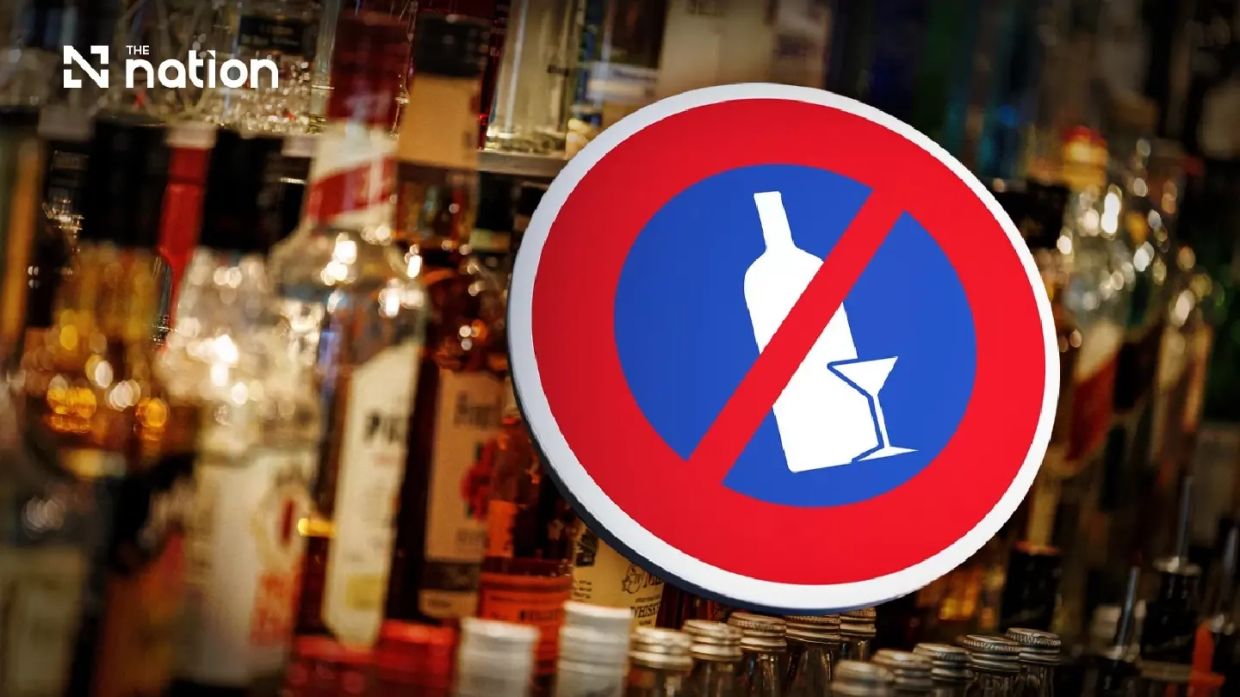
Thailand's Election Commission has enacted a sweeping prohibition on alcohol sales and consumption in Bangkok and Pattaya electoral districts during the upcoming mayoral and municipal council elections scheduled for June 27–28. The restriction represents part of a broader regulatory framework designed to maintain electoral integrity and prevent potential disruptions during the voting period, which authorities have emphasised as a critical moment for democratic participation at the local level.
The alcohol moratorium takes effect at 6pm on Saturday, June 27, and remains in force until 6pm on Sunday, June 28, encompassing the complete electoral cycle for both the Bangkok Governor and Bangkok Metropolitan Council elections alongside the Pattaya Mayor and City Council elections. This timing extends the prohibition across the evening before voting begins, through the entire polling day, creating a comprehensive 24-hour enforcement window that election officials believe will reduce potential disorder during the electoral process.
The regulatory scope is deliberately comprehensive, prohibiting not merely the sale of alcoholic beverages but also their distribution, gifting, and organised service within all designated electoral areas. This breadth reflects official concern about indirect pathways through which alcohol might enter the community during the restricted period, moving beyond simple retail transactions to encompass social and commercial practices that might ordinarily occur without scrutiny.
Election authorities have framed the alcohol ban as complementary to broader efforts ensuring fair and transparent local elections. By creating conditions where voters can participate in a controlled environment free from alcohol-related disruptions, officials argue the measure supports rational decision-making at polling stations and reduces the likelihood of incidents that could compromise the electoral process or intimidate voters attempting to cast ballots.
The penalties for non-compliance are substantial, reflecting the Commission's determination to enforce the restriction effectively. Violators face potential imprisonment for up to six months, financial penalties reaching 10,000 baht, or both sanctions applied concurrently. These consequences are mandated under Section 123 of the Local Elections Act B.E. 2562 and its subsequent amendments, establishing a legal foundation for enforcement across the targeted electoral districts.
For Malaysian observers, Thailand's approach offers interesting comparison points with Malaysia's own electoral regulations and public order management during polling periods. While Malaysia does not implement nationwide alcohol bans during elections, various states impose restrictions through different mechanisms, and the Thai model's comprehensive scope demonstrates how neighbouring jurisdictions navigate balancing civil liberties with electoral administration concerns.
Businesses operating within Bangkok and Pattaya electoral areas face particular compliance obligations during the restriction period. Restaurants, bars, nightclubs, convenience stores, and other venues that typically distribute alcohol products must cease all such operations or face enforcement action. This creates practical challenges for hospitality sectors already navigating economic pressures, particularly in Pattaya where tourism-dependent establishments may experience revenue disruption.
The Election Commission has publicly urged both commercial operators and individual citizens to comply strictly with the regulation, appealing to civic responsibility and shared commitment to orderly elections. This dual messaging—combining legal sanctions with appeals to cooperative compliance—reflects recognition that enforcement alone cannot achieve full adherence, and voluntary participation from communities enhances overall regulatory effectiveness.
Voting itself occurs on Sunday, June 28, between 8am and 5pm at designated polling stations throughout Bangkok and Pattaya. The Commission has encouraged all eligible voters to participate in these elections, emphasising their role in selecting local leadership responsible for municipal governance and urban administration. Authorities have promoted the elections as transparent and fair processes where voter participation directly shapes community outcomes.
Citizens seeking additional information about voting procedures, polling locations, or regulatory requirements can access the Election Commission of Thailand's official website or contact the information hotline 1444, which operates during the electoral period. These channels provide voters practical guidance while also serving as communication mechanisms for election-related questions or concerns arising during the polling period.
The Bangkok and Pattaya elections represent significant local governance contests in Thailand's two largest urban centres, with mayoral positions and municipal councils determining policy priorities affecting millions of residents and visitors. The Election Commission's comprehensive regulatory approach, including the alcohol ban, reflects the institutional importance placed on ensuring these contests proceed smoothly and command public confidence in their legitimacy and fairness.
Regionally, Thailand's election management practices continue evolving as the kingdom balances institutional oversight with democratic participation. The June elections offer insight into how Thai authorities approach local electoral administration and the mechanisms through which they seek to maintain public order during politically significant moments, providing context for understanding Thailand's broader democratic institutions and their functioning.

