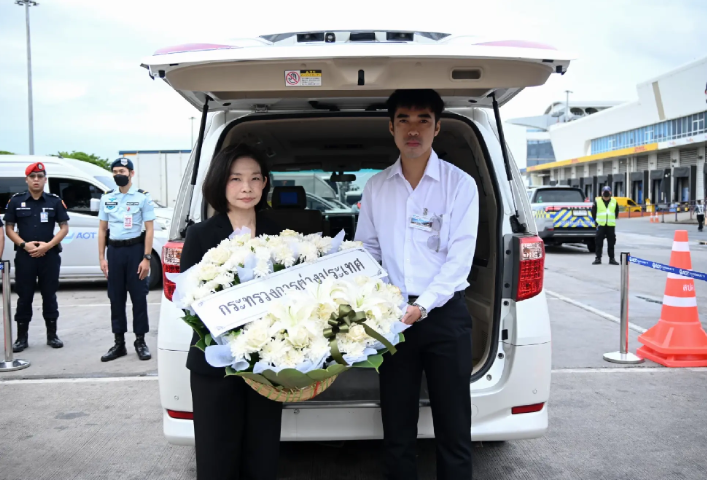
The Thai government has successfully overseen the return of travel content creator Bavorntat Pengsuk, professionally recognised as 'Hlun Solo', following his death in the Georgian capital of Tbilisi on 14 July 2026. The 27-year-old YouTuber, who had built a substantial following through his travel documentation across various destinations, passed away while abroad, prompting intervention from Thailand's diplomatic services to facilitate his repatriation and coordinate with local authorities.
Deputy Prime Minister and Foreign Minister Sihasak Phuangketkeow assigned responsibility for managing the logistical and ceremonial aspects of the return to Prathuangtip Sirivithes, the acting director-general of the Department of Consular Affairs, according to an announcement made on Thursday by Jaithai Upakarnitikaset, who serves as both spokesperson and director-general of the Department of Information within the Foreign Affairs Ministry. This assignment reflects the diplomatic protocol typically activated when Thai nationals die overseas, particularly those with public profiles.
The Royal Thai Embassy in Ankara maintained continuous coordination with Bavorntat's family throughout the incident, acting as the primary liaison between the bereaved relatives and Georgian government bodies. Embassy personnel were dispatched directly to Tbilisi to navigate the complexities of international death investigation procedures, ensure compliance with Georgian legal requirements, and accelerate administrative processes that had initially encountered delays. Such interventions demonstrate the enhanced diplomatic attention accorded to cases involving prominent Thai citizens whose deaths occur internationally.
The circumstances surrounding Bavorntat's passing remain under investigation, with Thai authorities planning to conduct comprehensive forensic examination upon the body's arrival in Thailand. This additional layer of medical investigation reflects standard practice in cases where death occurs in foreign jurisdictions and families seek comprehensive clarity regarding cause and circumstances. The forensic work will be conducted domestically, allowing Thai medical experts and the deceased's family direct access to findings and ensuring the process operates within Thailand's legal framework.
Following completion of these investigative procedures, Bavorntat's remains will be transported to his ancestral home in Somdet district, Kalasin province, in northeastern Thailand. This location holds cultural and familial significance for the conducting of traditional Buddhist funeral ceremonies and religious observances that form an integral component of Thai death rituals. The arrangement permits his family and local community to participate fully in commemoration activities conducted according to their customary practices.
The repatriation case underscores the particular vulnerabilities faced by young travel content creators who operate independently across multiple international borders. Bavorntat's vlogging activities required him to travel extensively, situating him in various countries throughout his professional career. While such work generates revenue and builds audience engagement, it necessarily exposes creators to health risks, accidents, and emergencies that may occur far from familiar medical systems or family support networks. His death represents a sobering reminder of these occupational hazards within the digital content creation economy.
For the Thai Foreign Ministry and its diplomatic corps, such cases demand rapid mobilisation of consular resources and sustained engagement with foreign governments to ensure citizens' rights are protected even after death. The involvement of embassy personnel in Tbilisi demonstrates how Thailand's diplomatic presence operates to serve national interests during crises. Georgian authorities' cooperation in the repatriation process and administrative procedures reflects broader diplomatic relationships between Thailand and the South Caucasus nation, relationships that extend beyond tourism and trade into the practical assistance provided during emergencies.
The incident also highlights the importance of digital content creators maintaining updated information with their embassies and consulates while working internationally. Many independent vloggers and YouTubers operate without formal institutional affiliations that might provide insurance or emergency protocols, making them particularly reliant on government consular services when crises occur. Thailand's growing community of travel content creators may benefit from greater awareness of available consular resources and the importance of maintaining contact information with diplomatic missions.
Bavorntat's passing marks a significant moment within Thailand's YouTube and social media community, where travel content has become increasingly popular as a genre. His documented journeys resonated with audiences interested in authentic travel experiences and international exploration. The tragic circumstances of his death will likely prompt discussion within creator communities regarding safety protocols, emergency preparedness, and the physical and psychological demands of sustained travel-based content production.

