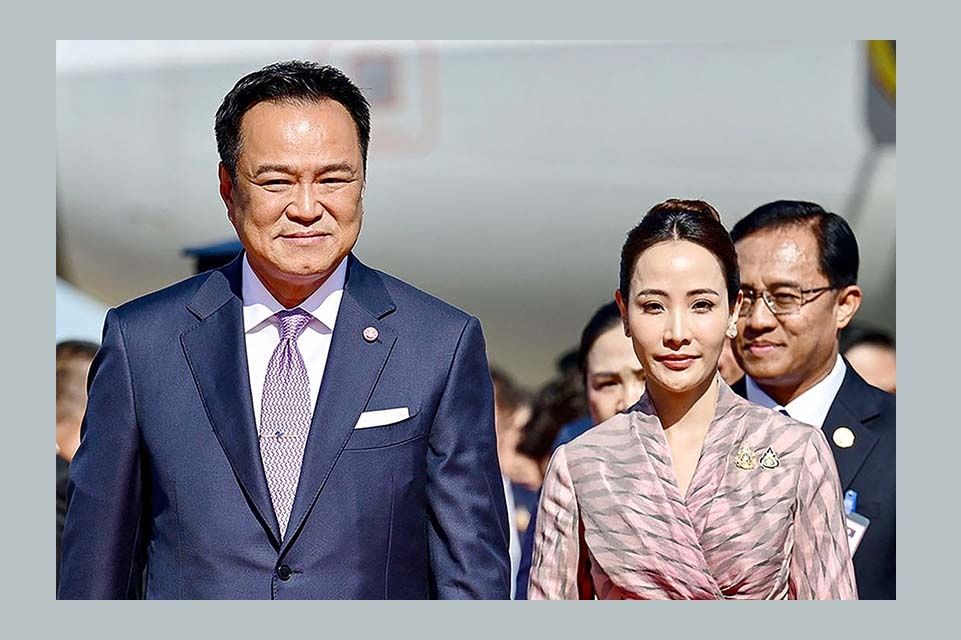
Thai Prime Minister Anutin Charnvirakul is set to arrive in Malaysia for a two-day official visit commencing July 9, marking a strategic diplomatic engagement timed to coincide with the inauguration of a new permanent border crossing at Sadao. The timing underscores the significance both Bangkok and Kuala Lumpur attach to infrastructure development along their shared frontier, with the new facility expected to fundamentally reshape the flow of commerce, investment, and people between Southeast Asia's two largest economies on the peninsula.
Invited by Malaysian Prime Minister Datuk Seri Anwar Ibrahim, Anutin's visit represents a deliberate effort by both governments to signal momentum in their bilateral relationship. Thai government spokesperson Ratchada Thanadirek framed the engagement as a tangible demonstration of commitment to deepening cooperation across multiple sectors, with particular emphasis on delivering measurable progress before the two nations celebrate seven decades of formal diplomatic ties in 2027. This forward-looking messaging suggests the leadership recognises that symbolic gestures and ceremonial visits, while important, must be accompanied by concrete infrastructure and institutional advancement to maintain public and investor confidence.
The centrepiece of this diplomatic momentum is the new permanent Sadao border checkpoint, approved by Thailand's Cabinet on Tuesday for opening on July 11. This facility will supplant the existing Sadao crossing, representing a significant upgrade from the current infrastructure that has served the region for decades. Designed as a comprehensive Customs, Immigration and Quarantine complex located in Songkhla province, the new checkpoint will be operationally linked with Malaysia's Bukit Kayu Hitam facility across the border in Kedah, creating a functionally integrated border management system that should streamline procedures on both sides.
Operating hours have been set at 5 am to 11 pm Thailand time under a Ministry of Interior notification, establishing clear parameters for cross-border movement. This extended daily window represents a substantial improvement over many existing border crossings in the region, potentially capturing additional commercial traffic and tourist movements that previously might have been delayed or diverted to alternative routes. The extended hours particularly benefit time-sensitive logistics operations and leisure travellers, addressing longstanding complaints from the business community about restrictive crossing schedules.
Beyond the checkpoint itself, Thai authorities have committed to comprehensive supporting infrastructure development aimed at maximising the facility's operational efficiency and regional impact. The government has directed relevant agencies to accelerate construction of connecting roads on the Thai side, designed to facilitate smoother traffic flow toward and away from the checkpoint. Complementary measures include active congestion management strategies around the crossing point and the establishment of shuttle bus services linking the checkpoint with inland population centres and commercial hubs, reducing the burden on private vehicles and improving overall circulation.
Recognising that successful cross-border infrastructure depends heavily on public understanding and compliance, Thai authorities are mounting targeted awareness campaigns directed at residents of the Dan Nok border community and businesses operating in the region. These initiatives will focus on educating traders and travellers about new traffic routes, updated customs and immigration procedures, and practical measures designed to facilitate legitimate commerce and tourism. This grassroots communication strategy acknowledges that even well-designed facilities can face adoption challenges if local populations and businesses lack clear information about procedures and regulations.
For Malaysian stakeholders, the Sadao development carries particular significance given the gateway's pivotal role in northern Peninsular Malaysia's economic integration with Thailand. The Bukit Kayu Hitam checkpoint in Kedah has long served as a critical conduit for goods moving between the Thai interior and Malaysian markets, while also facilitating the substantial tourist flows that characterise bilateral leisure travel. The new infrastructure promises to alleviate chronic congestion that has periodically disrupted both commercial operations and tourism experiences, potentially unlocking economic value that remains latent under current bottleneck conditions.
Anutin's visit represents his third trip to Malaysia since becoming prime minister, following his attendance at the ASEAN Summit and Related Summits in Kuala Lumpur in October of the previous year and a subsequent official visit on November 26. This pattern of engagement reflects not merely ceremonial diplomacy but a consistent prioritisation of Malaysia within Thai foreign policy priorities, particularly regarding economic and logistics partnerships. The frequency of high-level visits between Bangkok and Kuala Lumpur has intensified in recent years as both governments seek to leverage their complementary economic structures and geographic proximity.
The new Sadao checkpoint emerges at a moment when regional trade relationships face evolving pressures from global supply chain reconfigurations and the digital transformation of customs procedures. By investing in modern border infrastructure, Thailand and Malaysia are positioning themselves to capitalise on opportunities within the ASEAN Economic Community framework while maintaining competitiveness against alternative regional trade routes. The facility's integration of contemporary CIQ procedures suggests both nations recognise that facilitation and security must advance in tandem, rather than remaining in tension.
From a broader Southeast Asian perspective, the Sadao project exemplifies how bilateral infrastructure cooperation can yield substantial regional benefits. Improved Thailand-Malaysia border efficiency generates spillover advantages for Singapore, Vietnamese, and Indonesian exporters routing goods through Thai-Malaysian trade corridors, effectively making this a subregional public good. This multiplier effect justifies the political capital and financial resources both governments have invested in the project's development and implementation.
The timing of Anutin's visit also carries symbolic weight regarding the stability and normalcy of Thai-Malaysian relations, which have occasionally been tested by transnational security issues, particularly in southern Thailand's insurgency-affected provinces bordering Malaysia. By highlighting economic cooperation and infrastructure development, both leaders are consciously positioning their bilateral relationship as fundamentally rooted in shared prosperity rather than security contestation, a framing that appeals to business communities and regional observers alike.

