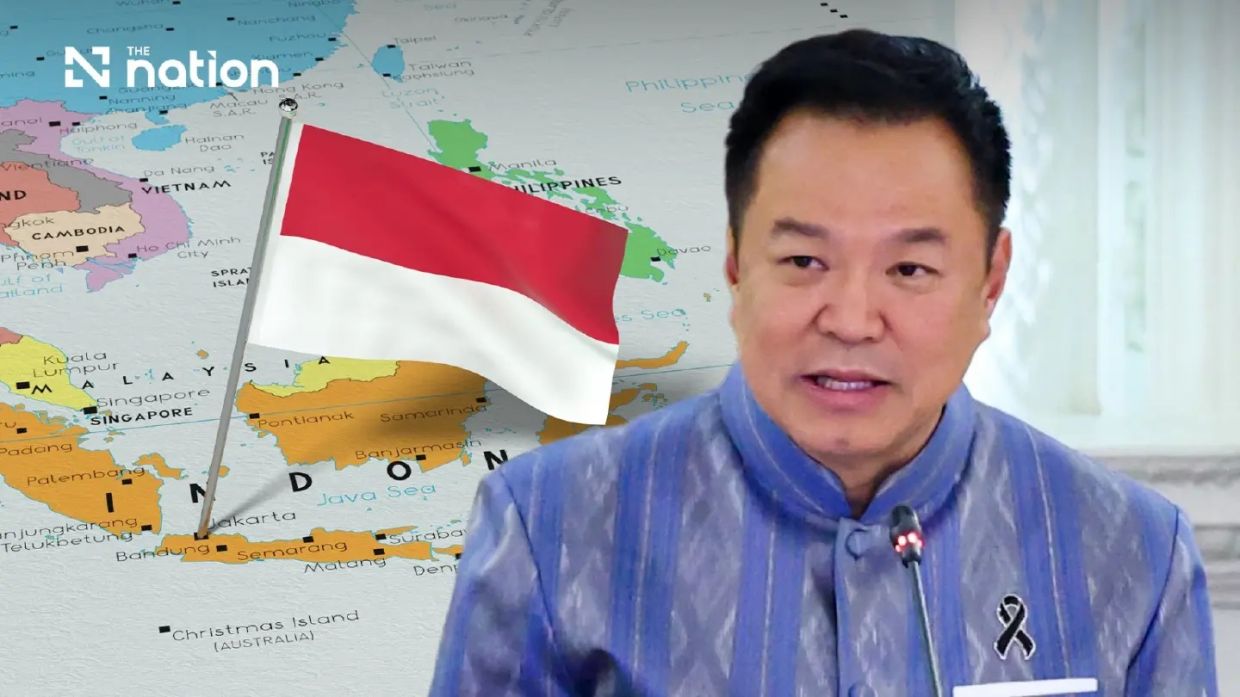
Prime Minister and Interior Minister Anutin Charnvirakul is set to embark on an official visit to Indonesia on August 3–4, representing a significant diplomatic milestone in bilateral relations. The Thai government has characterised this journey as the first official visit by a Thai prime minister to the archipelago in a decade and a half, underscoring the symbolic importance of rekindling high-level engagement after an extended absence. The visit reflects a broader recalibration of Thailand's regional strategy amid shifting global dynamics and competition for influence across Southeast Asia.
During his two-day stay, Anutin will hold substantive discussions with Indonesian President Prabowo Subianto, with the agenda spanning multiple dimensions of partnership. Trade, investment, and tourism form the economic core of the talks, but the conversations will extend into security cooperation, food security, energy collaboration, education initiatives and broader business partnerships. This expansive scope signals both nations' recognition that modern strategic partnerships must address multifaceted challenges rather than operate in isolated silos. The comprehensiveness of the planned discussions suggests Thailand views Indonesia not merely as a neighbour but as a gateway to broader economic and political influence within the region.
Indonesia's sheer scale makes it a natural focal point for Thai ambitions. With a population approaching 280 million and status as Asean's largest and most economically significant member, the archipelago represents an enormous untapped market for Thai goods and services. Government spokesperson Rachada Dhnadirek emphasised that closer bilateral ties could unlock significant commercial advantages for Thailand, enabling Thai companies—from major conglomerates to small and medium-sized enterprises—to expand operations across Indonesian markets. The potential extends beyond traditional sectors, encompassing agricultural exports, food products, tourism services and supply-chain integration that could strengthen both economies.
Thailand's strategic calculus extends beyond immediate commercial gains. The visit reflects a deliberate effort to position Thailand advantageously as it prepares to assume Asean's rotating chairmanship in 2028. During his visit, Anutin will address the Asean Secretariat in Jakarta, outlining Thailand's vision for regional development over the coming years. This speech carries significant weight, as it will sketch Thailand's priorities for regional unity, economic resilience, and people-centred development—messaging that will shape diplomatic expectations heading into Thailand's chairmanship and establish foundational narratives about Thai leadership style within the organisation.
The timing of this engagement also reflects broader geopolitical considerations affecting Southeast Asia. Both Thailand and Indonesia, as founding Asean members, shoulder responsibility for shaping the bloc's response to global economic shifts, transnational security threats, and evolving geopolitical configurations. Discussions between Anutin and Prabowo will likely address how Asean can maintain unity and effectiveness amid rising great-power competition, particularly involving China and major Western powers. For Thailand specifically, strengthening ties with Indonesia provides ballast against regional fragmentation and enhances Bangkok's capacity to influence regional agendas.
The economic dimension warrants particular attention for Malaysia and other Southeast Asian nations. If Thailand and Indonesia deepen integration across trade, investment and supply chains, they could establish frameworks that either facilitate broader regional economic cooperation or create bilateral arrangements that marginalise other players. The business forum scheduled during Anutin's visit, organised jointly by Indonesian and Thai chambers of commerce, will specifically target opportunities for corporate partnerships. Such forums frequently generate preferential trading relationships and investment corridors that can reshape regional commerce patterns.
Rachada's remarks emphasised that Thailand's government views foreign policy as a tool for economic advancement and improved living standards for ordinary citizens. This philosophy reflects a departure from treating diplomatic engagement as purely political theatre. By explicitly linking bilateral relations to job creation, technology transfer, and market access for Thai agricultural producers and service providers, Bangkok is signalling that regional diplomacy must deliver tangible benefits. This approach resonates with contemporary demands across Southeast Asia for governments to demonstrate how international engagement improves domestic prosperity.
The security dimensions of the visit deserve scrutiny as well. Thailand and Indonesia share interests in combating transnational crime, maritime security, and terrorism prevention. As major maritime powers controlling crucial shipping lanes and coastal zones, both nations face similar challenges regarding piracy, smuggling, and organised crime networks. Cooperation on these fronts could yield practical security dividends while simultaneously strengthening institutional relationships between military and intelligence establishments. Additionally, discussions on regional connectivity and sustainable development suggest both countries are positioning themselves to benefit from infrastructure development and environmental initiatives shaping Southeast Asia's future.
For Malaysian observers, this visit illustrates important dynamics affecting regional balance. Thailand's cultivation of Indonesia represents an effort to secure partnerships with influential Asean members, potentially affecting voting patterns and consensus-building within the organisation. Malaysia, as a mid-sized regional power with considerable economic and diplomatic interests, must carefully monitor how deeper Thailand-Indonesia integration might affect broader Asean decision-making. The outcomes of this visit could influence frameworks for trade negotiation, security cooperation, and resource management that touch Malaysian interests directly.
The itinerary itself reveals careful diplomatic choreography. Anutin's first day includes ceremonial elements alongside substantive delegation-level meetings and joint press statements—standard practice for state visits but essential for conveying equal status and mutual respect. His attendance at the business forum on August 4 prioritises private-sector engagement, reflecting contemporary understanding that sustainable economic partnerships require corporate buy-in alongside government commitment. Subsequent meetings with Indonesia's private-sector representatives further underline this balanced approach between state-level strategy and market-driven opportunity identification.
Thailand's characterisation of this visit as the first prime ministerial visit in 15 years invites reflection on what caused the extended diplomatic hiatus. The intervening years witnessed significant political turbulence in Thailand, including constitutional changes and government transitions that may have limited high-level engagement. Indonesia, by contrast, maintained relative political stability, potentially making it more difficult for Thai governments to sustain high-level relationships. The resumption now, under Anutin's administration, suggests Thailand views regional engagement as sufficiently prioritised to overcome previous domestic constraints.
Looking forward, this visit establishes groundwork for sustained institutional engagement between Bangkok and Jakarta. Successful bilateral relationships typically require periodic high-level dialogue, business networking, and practical cooperation on defined projects. If the August visit generates concrete outcomes—specific trade agreements, investment commitments, or security protocols—it could anchor a longer-term relationship framework. Conversely, if the visit remains primarily symbolic without producing implementable agreements, its significance will fade quickly amid other regional developments.
For the broader Southeast Asian community, Thailand's pivot toward strengthening Indonesian relations carries implications extending beyond bilateral dynamics. It reflects an emerging recognition that Asean's effectiveness and regional stability depend on its largest economies functioning in complementary rather than competitive fashion. As Thailand prepares for its 2028 chairmanship and Indonesia consolidates its position under President Prabowo's administration, the partnership established during this visit could shape regional agendas for years ahead. The outcomes and momentum generated over August 3–4 will merit close observation as indicators of where regional power dynamics and economic cooperation are heading.

