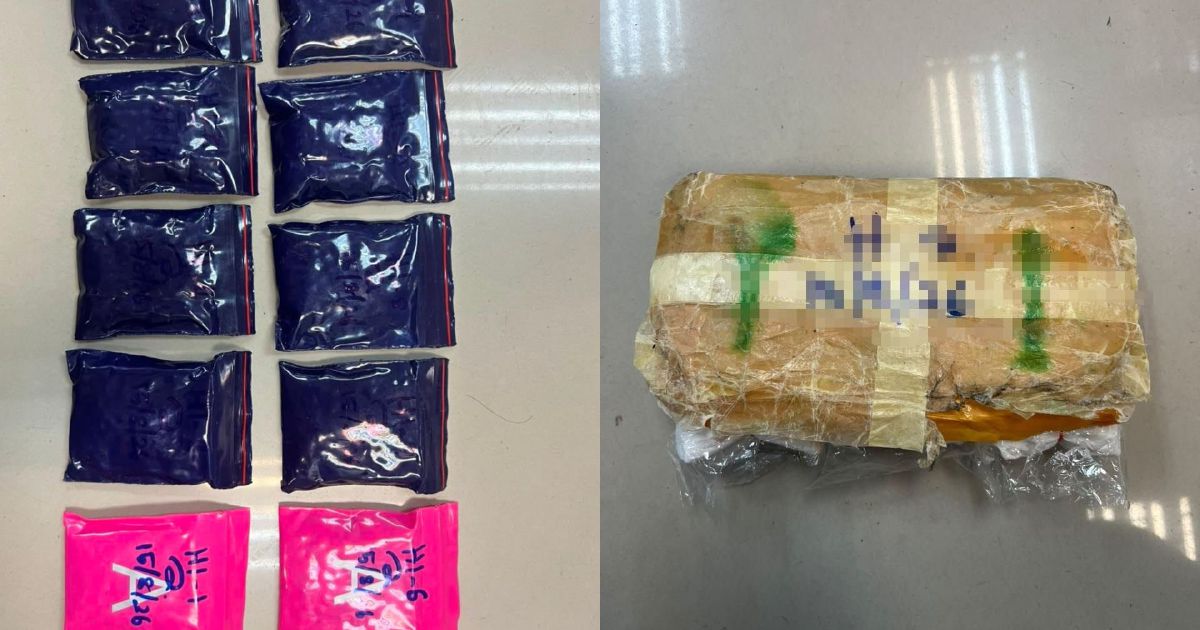
Law enforcement authorities in Kelantan have taken into custody a 45-year-old Thai national following a targeted drug operation conducted in the Pasir Mas district. Officers descended on Kampung Rahmat near Rantau Panjang and apprehended the suspect, subsequently recovering a substantial cache of yaba tablets that police valued at approximately RM60,000. The seizure marks another significant drug bust in Malaysia's ongoing battle against synthetic narcotics trafficking across its northern border regions.
Yaba, commonly known as "crazy medicine" among Southeast Asian users, represents one of the primary stimulant drugs circulating throughout Malaysia and the wider region. The tablets, typically manufactured in clandestine laboratories across Southeast Asia, contain a potent mixture of methamphetamine and caffeine that creates powerful psychostimulant effects. The drug has become particularly prevalent in Malaysia over the past decade, with law enforcement agencies reporting consistent increases in seizures and user arrests across multiple states, especially in border areas.
The Pasir Mas region, situated along Kelantan's border with Thailand, has historically served as a critical transit point for drug trafficking operations moving narcotics from production facilities in Myanmar and Thailand toward Malaysian distribution networks. The porous nature of the Malaysia-Thailand border, combined with inadequate monitoring resources in remote areas, has made communities in towns like Rantau Panjang especially vulnerable to drug smuggling activities. Local authorities have intensified patrols and established checkpoints in response to mounting concerns about substance trafficking and its corrosive impact on community health and safety.
The recovery of 6,000 individual yaba pills suggests a substantial commercial operation rather than personal consumption quantities. Street-level dealers typically distribute yaba in smaller quantities ranging from dozens to a few hundred tablets at a time, which indicates this suspect may have been operating as either a major distributor serving a regional network or a bulk supplier preparing shipments for further distribution to retail dealers. The estimated value placed on the seized tablets reflects the considerable profit margins that make yaba trafficking so attractive to organized crime syndicates operating across Southeast Asia.
Thailand has emerged as a primary manufacturing and transit hub for yaba production, with DEA officials and regional law enforcement consistently identifying Thai-Myanmar border regions as key production zones. The accessibility of precursor chemicals and the presence of established clandestine laboratory networks in northern Thailand create ideal conditions for large-scale manufacturing operations. Subsequent trafficking routes predominantly funnel through Malaysia toward Singapore and other regional markets, making Malaysian law enforcement agencies crucial partners in disrupting these supply chains before products reach end users.
The arrest demonstrates the importance of sustained border security operations and intelligence-driven enforcement strategies. Malaysian police forces, working alongside customs and other agencies, have gradually expanded their capacity to intercept trafficking attempts through improved coordination, surveillance technology, and cross-border intelligence sharing with Thai counterparts. The success of this operation reflects investigative work that likely extended beyond the initial apprehension, possibly involving months of surveillance or intelligence gathering that culminated in the Pasir Mas arrest.
Drug-related offences in Malaysia carry severe penalties under the Dangerous Drugs Act, with trafficking quantities of this magnitude typically resulting in lengthy prison sentences and substantial fines. The arrested individual now faces prosecution under Malaysian drug laws, which distinguish trafficking from possession based on quantity thresholds. For stimulant substances like yaba, quantities in excess of a few hundred tablets generally invoke presumption of trafficking, a charge carrying penalties including life imprisonment and caning in certain circumstances.
The seizure contributes to broader regional efforts to combat methamphetamine proliferation, which has become one of Southeast Asia's most significant drug threats according to international monitoring agencies. Unlike heroin or cocaine, which require extensive cultivation infrastructure, methamphetamine's synthetic nature allows for rapid production scaling in response to market demand. The stimulant's popularity across Southeast Asia spans all demographic segments but disproportionately affects younger populations, creating public health challenges beyond those associated with traditional drugs.
Communities throughout Kelantan and other northern Malaysian states have increasingly expressed concerns about drug availability and usage rates, particularly among youth populations. The proximity to Thailand's drug production regions means that Kelantan residents face heightened exposure to narcotics trafficking operations and related criminal activity. Local government officials and community leaders have called for sustained law enforcement presence and expanded rehabilitation services to address both supply-side interdiction and demand-reduction imperatives.
The operation underscores how border regions remain critical flashpoints in Malaysia's drug enforcement strategy. While this single seizure removes a significant quantity of yaba from circulation, enforcement officials acknowledge that disrupting supply chains permanently requires sustained, coordinated efforts involving intelligence agencies, customs authorities, and international partners. The arrest of this Thai national reflects an ongoing commitment to targeting foreign trafficking networks that exploit Malaysia's geographic position as a transit country for regional drug markets.

