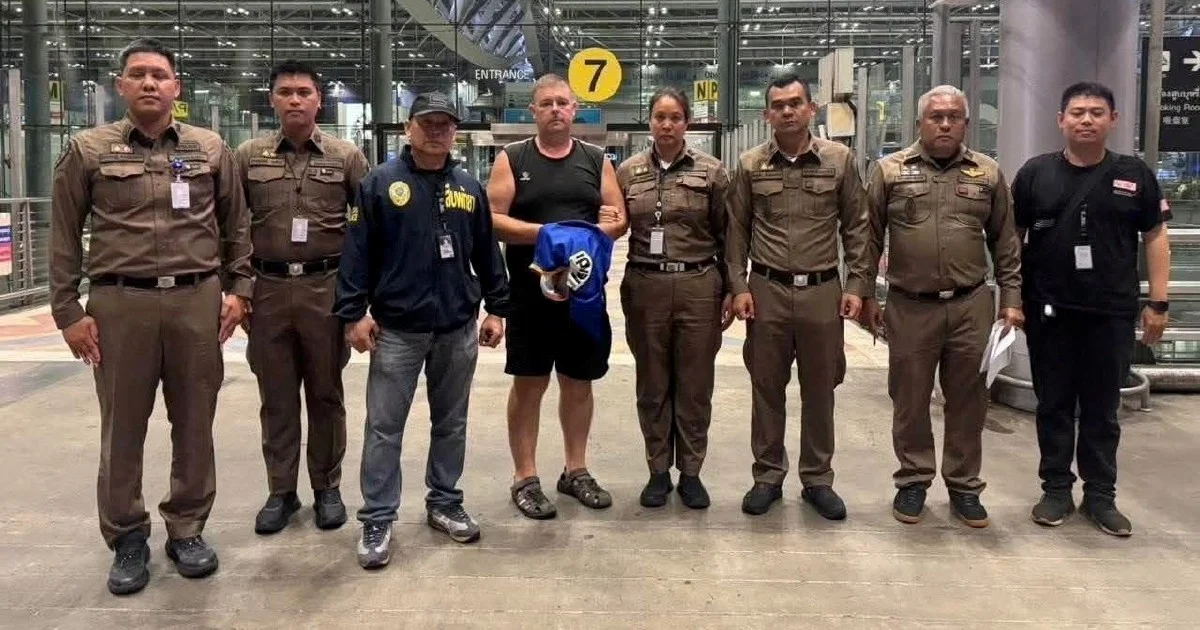
The parents and relatives of a 17-year-old Thai girl have expressed profound sorrow following the discovery of her body in a suitcase at a location in Pattaya, with an Australian man now in custody facing a murder charge in connection with the incident. The tragic finding has sent shockwaves through the family, who are grappling with the unexpected loss of their daughter under such harrowing circumstances.
Pattaya, Thailand's popular beach resort city, has become the centre of this ongoing investigation as authorities piece together the circumstances that led to the young victim's death. The resort destination, known for drawing international visitors and expatriates, occasionally becomes the backdrop for serious criminal incidents that highlight vulnerabilities in tourism hotspots across Southeast Asia. The discovery of a body concealed in luggage in such a public-facing location raises questions about the circumstances preceding the act and how the case progressed to this critical stage.
The Australian national arrested in connection with this case now faces formal murder charges, a development that underscores the gravity of the allegations against him. The involvement of a foreign national in such a serious crime draws attention to the complexities of cross-border criminal investigations and the challenges Thai law enforcement faces when cases involve international dimensions. The charge itself signals that investigators have gathered sufficient evidence to pursue the case through the judicial system.
For Malaysian observers, this incident serves as a sobering reminder of the personal security considerations that deserve attention for young people travelling or working abroad, particularly in tourism-dependent regions where transient populations and economic disparities can create vulnerability. The case resonates across Southeast Asia, where similar incidents have periodically raised concerns about how effectively local authorities respond to crimes involving foreign perpetrators and regional victims.
The family's statement reflecting their devastation speaks to the profound human cost underlying criminal proceedings and legal processes. Parents confronting the loss of a child under violent circumstances face a journey that extends far beyond the courtroom, encompassing grief, trauma, and the arduous process of seeking answers and justice. Their experience, while deeply personal, also represents the broader impact such crimes have on communities and families across the region.
Pattaya's authorities have intensified their investigative efforts in response to the case, working through forensic evidence and witness accounts to establish a clear timeline of events. Thai police procedures in serious criminal cases typically involve thorough documentation, scene analysis, and systematic interview processes designed to build a comprehensive evidentiary foundation. The high-profile nature of the case, particularly given the involvement of a foreign national, has likely drawn heightened scrutiny to the investigation's progress and thoroughness.
The circumstances under which the body was discovered in a suitcase suggest premeditation and concealment, factors that typically weigh significantly in how murder charges are evaluated and how courts approach sentencing considerations. The method itself raises questions about the perpetrator's intent to hide evidence and evade immediate detection, details that often prove crucial in establishing motive and demonstrating planning.
Cross-border criminal cases involving Australian nationals and Thai victims require coordination between multiple authorities, including the Australian embassy and Thai law enforcement agencies. Such cooperation becomes essential in ensuring that due process is followed, that rights of both the victim's family and the accused are respected according to respective legal frameworks, and that the investigation maintains integrity throughout prosecution proceedings.
The broader implications for tourism and safety in Pattaya warrant consideration, though single incidents rarely deter the enormous flow of international visitors to Thailand's premier beach destination. Nevertheless, the case highlights the importance of awareness regarding personal safety, particularly for young people navigating unfamiliar environments where language barriers and cultural differences can compound vulnerability. Local authorities and tourism operators face ongoing responsibility to maintain security standards and responsiveness to incidents involving visitors and residents alike.
As the legal process advances, the family awaits outcomes that may provide some measure of closure and justice. Thai courts handling serious felonies typically allow reasonable time for evidence review, witness examination, and legal argument, though the timeline can extend considerably depending on case complexity and appeals. For the grieving family, the journey through this process will be marked by painful milestones and the persistent search for understanding regarding how their daughter's life ended in such tragic and violent circumstances.

