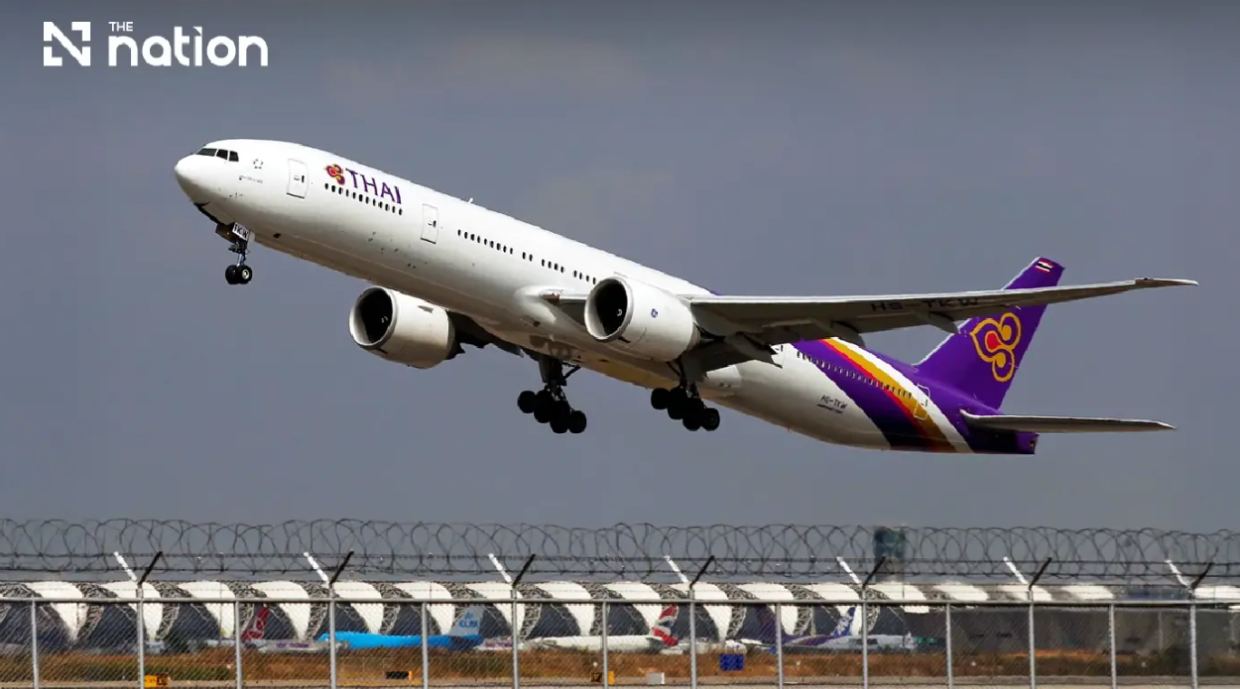
Thai Airways International Chief Executive Chai Eamsiri has assured Australian law-enforcement officials that the airline will provide complete assistance in investigating the heroin trafficking case involving one of its cabin crew members, while pledging not to obstruct the legal proceedings. The carrier has taken immediate action by suspending the affected employee from duty and establishing a dedicated fact-finding panel to examine the incident under its internal disciplinary framework, with findings expected within seven days.
Australian authorities apprehended the 26-year-old Thai airline employee following the discovery of more than one kilogramme of heroin in her baggage upon arrival at Melbourne Airport on June 25. The seized narcotics carry an estimated street value of A$500,000, equivalent to approximately 11.5 million baht. The woman has been formally charged with importing a marketable quantity of a border-controlled drug and possessing a marketable quantity of a border-controlled drug, with each charge carrying a maximum prison sentence of 25 years under Australian law.
Chester's acknowledgement of the damage to the airline's reputation reflects the serious reputational challenge posed by the incident. He expressed concern that the arrest could complicate travel and clearance procedures for Thai Airways crew members and Thai nationals entering Australia, though he voiced hope that international authorities would evaluate cases individually rather than applying blanket suspicions to all travellers from the affected airline or country. This concern highlights broader anxieties within the aviation industry about how security incidents involving specific employees can generate negative perceptions affecting entire nationalities and airline brands across borders.
The airline has undertaken to maximise internal oversight mechanisms to prevent similar occurrences. Thai Airways emphasised that it maintains rigorous protocols for pilots, cabin crew, and support staff, with mandatory pre-flight briefings covering regulations, prohibited items, and illegal goods. With more than 4,000 cabin crew members and over 1,000 pilots operating under these guidelines, Chai acknowledged that enforcing compliance across such a large workforce remains inherently challenging, despite comprehensive institutional safeguards and employee education programmes.
The disciplinary investigation will determine whether sufficient evidence of misconduct exists to warrant termination of the employee's contract, which represents the maximum penalty available under Thai Airways' disciplinary framework. This swift institutional response demonstrates the airline's commitment to internal accountability, though the outcome will ultimately depend on the findings of both the company's panel and the Australian court system. The fact-finding process serves dual purposes: establishing facts for the company's human resources decisions while supporting the broader legal investigation being conducted by Australian authorities.
Australian Federal Police and the Australian Border Force have proceeded with formal charges following the arrest. The suspect was remanded in custody on June 26 and remains in detention pending her next appearance before Melbourne Magistrates' Court scheduled for September 14. The extended timeline before court proceedings allows for thorough investigation and preparation of evidence by prosecutors, while the detention order reflects the seriousness with which Australian authorities treat large-quantity drug importation cases.
Thailand's civil aviation regulator, the Civil Aviation Authority of Thailand (CAAT), has independently initiated its own review procedures in response to the incident. The authority has contacted the airport operator and Thai Airways to gather factual information and assess whether existing security and screening protocols require modification or strengthening. CAAT emphasised that passenger and baggage screening procedures at Thai airport checkpoints comply with its requirements and align with International Civil Aviation Organization standards, suggesting that the failure to detect the narcotics may have occurred during procedures handled by Australian authorities rather than at the point of departure.
CABT has clarified the distinct roles of aviation security authorities and drug enforcement agencies within the international aviation ecosystem. While aviation-security screening focuses specifically on preventing items that could endanger aircraft, passengers, and crew, narcotics enforcement falls within the jurisdiction of specialist law-enforcement agencies operating domestically and through international cooperation frameworks. This delineation reflects the complex interplay between aviation safety regulators and drug control authorities in modern border management.
Should Thai Airways' internal investigation confirm the crew member's involvement in the alleged offence, the CAAT has indicated it may initiate separate action related to the suspension or cancellation of her aviation crew certificate. Such regulatory intervention serves to protect aviation safety standards and safeguard public confidence in Thailand's civil aviation system by ensuring that individuals with demonstrated involvement in serious criminal conduct are removed from operational positions. This cascading accountability—involving both airline discipline, criminal prosecution, and regulatory action—illustrates how aviation security incidents trigger responses across multiple institutional levels.
The incident raises broader questions about baggage screening procedures, staff vetting protocols, and the particular vulnerabilities of airline employees who regularly transit through international borders. While Thai Airways has maintained that it conducts thorough pre-flight safety briefings and maintains strict employment policies, the apparent ability of prohibited substances to transit through security checkpoints suggests potential gaps in either detection technologies or procedural implementation. For Malaysian airlines and aviation authorities, the case underscores the importance of regularly reviewing screening effectiveness and maintaining vigilance regarding staff misconduct.
Regional carriers operating similar routes throughout Southeast Asia and beyond will likely review their own employee conduct policies and baggage screening measures in light of this incident. The case demonstrates that even major international airlines with established safety records can face significant reputational and operational challenges when individual employees engage in serious criminal activity. Thai Airways' rapid institutional response—suspension, investigation, and full cooperation with authorities—represents standard best practice in such situations, yet cannot fully mitigate the reputational damage to the airline's brand and to perceptions of Thai aviation generally.
For passengers and business partners considering Thai Airways for future travel, the airline's transparent communication and commitment to accountability may provide reassurance, though the incident will likely influence some traveller preferences during the coming months. The case also illustrates how globalised aviation creates enforcement challenges, as a crime committed by a Thai national on a Thai aircraft resulted in arrest by Australian authorities, requiring coordination across multiple jurisdictions and regulatory bodies. Looking forward, the outcomes of both Thai Airways' disciplinary inquiry and the Australian court proceedings will provide important lessons for aviation security management across the region.

