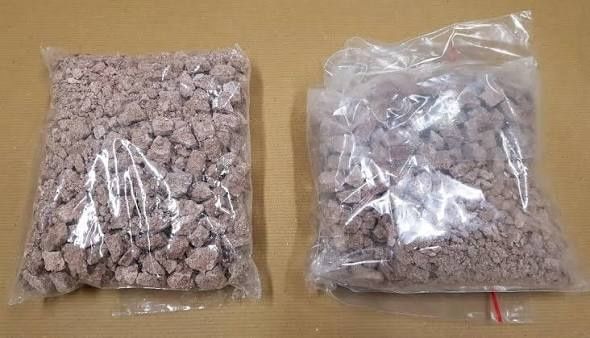
A Thai flight attendant has been detained in Australia after Australian Federal Police discovered more than one kilogram of heroin concealed in her luggage at Melbourne Airport, prompting immediate action from Thailand's aviation sector and pledges of full cooperation with foreign law enforcement. The incident, which occurred when an international flight landed on Thursday, has triggered coordinated investigations between Thai Airways International, the Civil Aviation Authority of Thailand, and relevant Australian authorities, signalling the seriousness with which the region's aviation industry treats drug trafficking allegations involving crew members.
Australian Border Force officers conducting routine screening procedures at Melbourne Airport's baggage examination facilities identified white powder hidden within the lining of bags belonging to the 26-year-old Thai national during standard X-ray inspections. The discovery represents a significant breach of aviation security protocols and raises questions about how contraband managed to pass through initial screening procedures in Thailand before boarding. The Australian Federal Police made the formal announcement on Monday, confirming that charges have been laid against the individual, who now faces Australia's judicial system.
Thai Airways responded swiftly through official channels, issuing a statement via its Facebook page on Monday emphasising the airline's commitment to cooperating with law enforcement authorities in both nations. The carrier stressed that it maintains strict regulatory frameworks governing all personnel, from pilots to flight attendants, with explicit prohibitions against possessing, importing, transporting, or facilitating any illegal drug activities. The statement characterised the situation as reflecting the individual conduct of the crew member rather than systemic failures within the airline's operations, though this framing may face scrutiny given the substance had apparently cleared Thai security checkpoints.
The airline has engaged with relevant authorities to ensure the detained crew member receives proper legal representation and fundamental protections under Australian law. Thai Airways pledged complete cooperation with investigating officers in both countries, recognising that such incidents damage the reputation of the entire Thai aviation sector and threaten passenger confidence in safety standards. The carrier's rapid response reflects awareness that any suggestion of institutional tolerance toward drug smuggling could have serious consequences for its international operations and passenger numbers, particularly on high-value routes serving Australian and other developed markets.
Thailand's Civil Aviation Authority of Thailand has similarly moved to address the incident by coordinating with airport operators and airlines to verify details and review existing operational procedures. The regulator confirmed that all passenger and baggage security screening protocols across Thai airports comply with its internal regulations and align with international standards established by the International Civil Aviation Organization. This assertion appears designed to reassure the travelling public and international partners that Thursday's incident represents an isolated lapse rather than widespread security vulnerabilities at Thai aviation facilities.
CAAT distinguished between its own responsibilities and those of law enforcement agencies, noting that while aviation security checks aim to prevent prohibited items from reaching aircraft, investigations into narcotics trafficking fall under the jurisdiction of dedicated statutory authorities. This clarification underscores the multi-layered approach required to combat aviation-related drug smuggling, requiring seamless coordination between airport security personnel, customs officers, police forces, and aviation regulators across international borders. For Southeast Asian readers, the distinction matters because it highlights how criminal cases involving aviation personnel inevitably cross multiple jurisdictions and regulatory frameworks.
The regulator stated that it has collaborated closely with Thai Airways to pursue preliminary investigations and will take formal regulatory action under aviation laws if the involved personnel are ultimately found guilty. Potential sanctions could include revocation of flight attendant certifications, restrictions on employment in aviation, or more severe penalties depending on the extent of involvement and culpability established through judicial proceedings. Such measures serve both as punishment and as deterrent, signalling to other aviation workers that the sector maintains zero tolerance for drug-related activities.
The incident carries broader implications for aviation security across the Southeast Asian region, where airports have faced recurring challenges in detecting smuggling attempts through commercial flight routes. Heroin trafficking from source regions in the Golden Triangle has long utilised aviation channels, with perpetrators sometimes recruiting airline staff to move contraband. That a Thai Airways employee allegedly attempted to transport significant quantities of heroin underscores how organised criminal networks exploit insider access to bypass conventional security measures, creating risks that affect all travellers and legitimate crew members.
For Australian authorities, the seizure demonstrates the effectiveness of rigorous screening procedures at immigration checkpoints, but it also raises questions about whether preventative measures at the point of origin—in this case Thai airports—were adequate. The cooperation announced by both nations suggests that investigating officers will examine how the heroin evaded detection during initial screening in Thailand, potentially identifying gaps in protocols or compliance standards that need strengthening. Such findings could lead to enhanced security procedures affecting Thai Airways operations more broadly.
The timing and scale of the seizure—more than one kilogram of heroin—indicates this was likely not an opportunistic personal use situation but rather a deliberate smuggling operation, possibly connected to larger trafficking networks. The use of sophisticated concealment techniques, hiding powder within bag lining rather than in obvious locations, suggests planning and prior experience with evasion tactics. This dimension elevates the case beyond simple personal misconduct to potential organised crime involvement, making the coordination between Thai and Australian authorities even more critical.
For Malaysian readers and travellers throughout Southeast Asia, the incident serves as a reminder of the persistent drug trafficking challenges facing the region despite substantial law enforcement efforts. The detention at Melbourne Airport also highlights that international criminal networks view aviation personnel as targets for recruitment, creating pressure on airlines and regulators to implement stronger vetting procedures, training, and monitoring systems. Thai Airways and the Civil Aviation Authority's responses suggest the sector recognises these pressures and is committed to preventing similar incidents.
The investigation's progression through Australian courts will likely take months, during which Thai aviation authorities will conduct parallel inquiries to determine whether institutional failures contributed to the heroin passing through Thai security screening. Should evidence emerge suggesting systemic problems rather than isolated individual action, international regulatory bodies and other airlines may demand enhancements to Thai airport security procedures. For now, the focus remains on ensuring the detained crew member receives fair legal treatment while investigations establish the full scope of the alleged smuggling operation and any potential connections to larger criminal enterprises.

