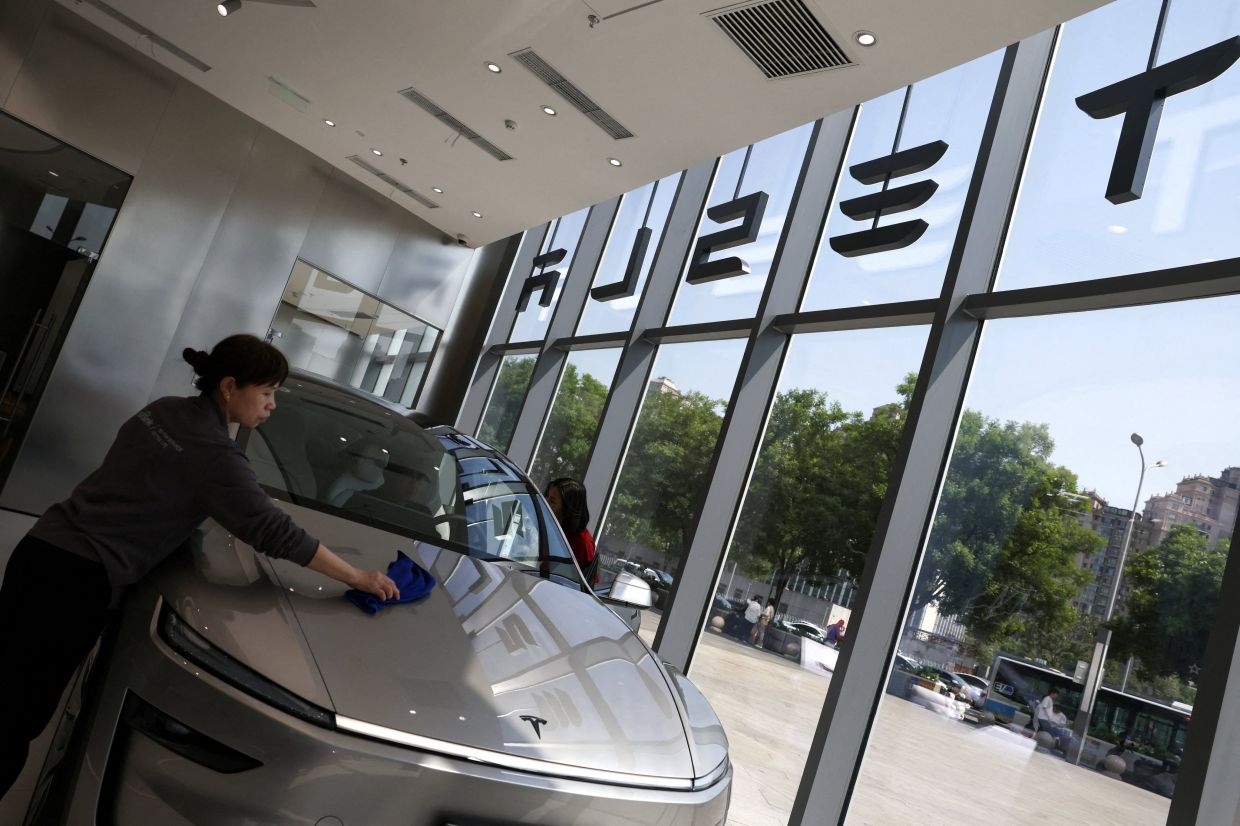
Tesla has announced what stands as the most substantial product recall in mainland China's electric vehicle sector, with the American manufacturer pledging to address a door-handle defect impacting approximately 2.98 million vehicles. The unprecedented scale of this recall underscores mounting safety pressures within China's rapidly expanding EV industry and signals a significant regulatory shift toward stricter vehicle safety standards in the world's largest automotive market.
The timing of Tesla's action reflects intensifying scrutiny from Chinese authorities who are actively moving to prohibit retractable door handles across the industry. This regulatory crackdown gained momentum following a tragic incident last year in Sichuan province, where a driver of a Xiaomi SU7 Ultra became trapped inside a burning vehicle after emergency responders and bystanders proved unable to open the doors. The tragedy prompted national conversation about the inherent risks posed by innovative but potentially problematic design choices in modern electric vehicles, particularly those prioritizing aesthetic seamlessness over mechanical accessibility during emergencies.
While multiple manufacturers utilise retractable door-handle technology, Tesla's recall represents by far the largest announced response to date within China. The magnitude reflects both the company's substantial market presence in the country and the complexity of addressing a design feature across such an enormous installed base. For Malaysian consumers and automotive enthusiasts, this development carries particular relevance given the increasing adoption of Chinese and American electric vehicles throughout Southeast Asia, where similar safety concerns may eventually prompt local regulatory attention.
Tesla's remediation strategy combines hardware and software interventions. Beginning September 25, the company will install warning labels on internal door handles across recalled vehicles. Simultaneously, Tesla plans to deploy an over-the-air software update targeting the window-control system, programming windows to automatically descend following a collision. This dual approach addresses both the immediate mechanical issue and the practical emergency-exit scenario that motivated regulators' safety concerns.
The broader context illuminates how this recall reflects deeper industry evolution. Zhang Wenjie, who operates an automotive maintenance facility in Shanghai, observed that door safety has escalated into a critical concern since late previous year as Chinese regulators and consumers placed heightened emphasis on protective measures. Industry analysts anticipate that comprehensive recalls by Tesla and Chinese domestic manufacturers will collectively heighten awareness throughout the automotive sector regarding product engineering and quality assurance standards.
China's Ministry of Industry and Information Technology formalised its stance in February by announcing plans to prohibit retractable door handles entirely. New regulations mandated that beginning next year, all vehicles must incorporate both internal and external door handles capable of mechanical operation at all times, regardless of accident conditions or electrical system failures. This prescriptive regulatory approach eliminates manufacturer discretion regarding the safety feature, representing a decisive intervention into vehicle design standards.
Beyond the primary door-handle recall, Tesla simultaneously initiated a separate recall affecting 2.74 million Model 3 and Model Y vehicles manufactured at its Shanghai facility. This additional campaign addresses driver-assistance and automated steering functionality through software updates, ensuring these systems remain engaged when drivers demonstrate insufficient reaction time during collision scenarios. The dual recalls underscore the complexity of managing safety systems across Tesla's Chinese vehicle inventory.
Tesla's Shanghai manufacturing facility commands extraordinary importance within the company's global operations. During 2025, this single plant produced approximately 851,000 vehicles destined for both domestic Chinese consumption and international export markets. This output represented more than half of Tesla's worldwide production, which experienced an 8.6 percent decline to 1.63 million total units during the year. Shanghai's productivity demonstrates how concentrated Tesla's manufacturing footprint has become, with China representing not merely a consumer market but the company's primary production hub.
China's significance within Tesla's commercial architecture cannot be overstated. The nation ranks as the manufacturer's second-largest market globally, trailing only the United States in revenue contribution. This positioning creates substantial interdependence between Tesla's corporate performance and Chinese market conditions. Regulatory actions affecting Chinese operations consequently reverberate throughout Tesla's financial results and strategic planning, making compliance with safety mandates economically vital beyond mere regulatory obligation.
For Southeast Asian markets, this sequence of events carries instructive implications. As electric vehicle adoption accelerates throughout the region, regulatory frameworks governing safety standards remain nascent compared to established automotive markets. Malaysia, Thailand, Indonesia, and other nations may observe China's decisive regulatory response and contemplate similar protective measures. The precedent established through this recall demonstrates how swiftly regulatory bodies can mandate industry-wide design modifications when safety concerns gain sufficient public and political attention.
The broader automotive industry dynamics reveal Tesla's position within competitive pressures from Chinese manufacturers. Domestic companies including Xiaomi, which faced criticism following the fatal accident, simultaneously face regulatory demands to modify vehicle designs. This creates level playing-field considerations, as all manufacturers operating within China must comply with identical safety requirements regardless of origin. However, Tesla's foreign status may attract heightened regulatory attention and public scrutiny compared to domestic competitors, requiring particularly meticulous compliance demonstrations.
Moving forward, this recall episode illustrates how safety considerations increasingly drive regulatory intervention and manufacturer responses within China's automotive sector. The integration of sophisticated software systems with traditional mechanical safety features creates novel challenges that regulatory frameworks continue evolving to address. Tesla's willingness to execute massive recalls rapidly suggests corporate calculations weighing regulatory compliance costs against reputational damage and market access preservation. For regional stakeholders monitoring automotive safety trends, China's regulatory decisiveness and Tesla's substantial compliance response merit careful observation as Southeast Asian markets mature.

