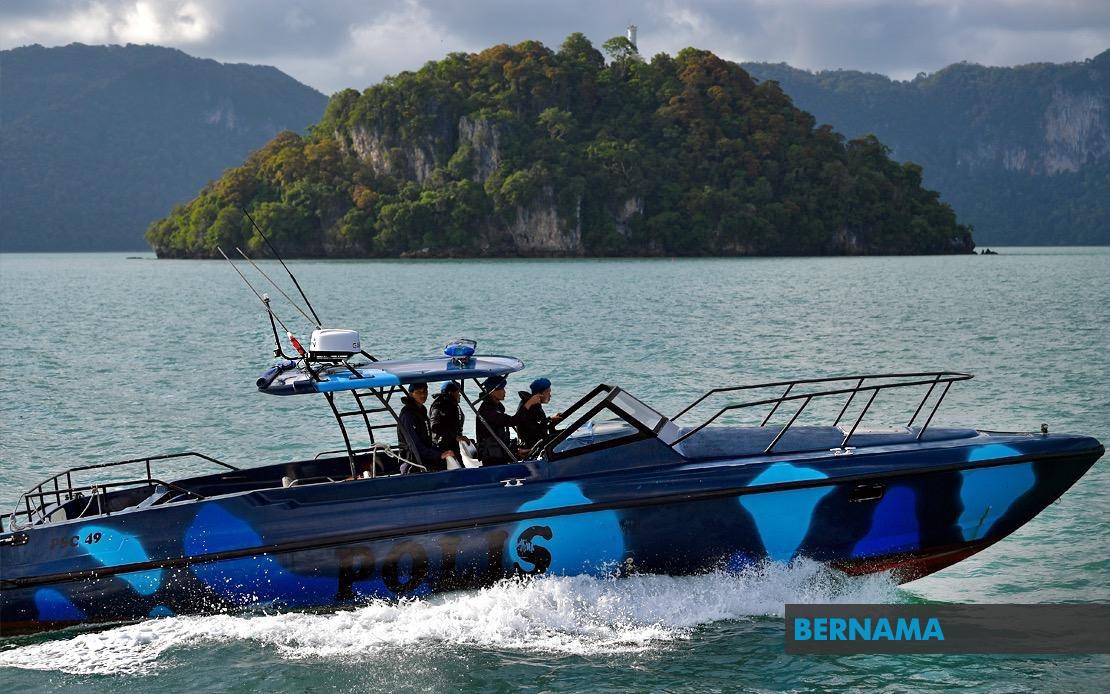
The Terengganu state government is moving swiftly to address escalating concerns over environmental degradation at Pulau Redang, one of Malaysia's premier marine tourism destinations, by convening a comprehensive stakeholder engagement session scheduled for late August. The three-day forum, set to begin August 26, will bring together tourism operators, government agencies, and enforcement bodies to tackle the thorny issue of coral reef damage attributed to day-trip boats anchoring in restricted zones around the island.
Datak Razali Idris, chairman of the Terengganu Tourism, Culture, Environment and Climate Change Committee, characterised the engagement session as more than a conventional discussion platform. Rather, he framed it as an investigative and decisive assembly aimed at forensically identifying root causes of reef deterioration while simultaneously scrutinising existing enforcement gaps and regulatory weaknesses. The chairman's language revealed the administration's intent to move beyond dialogue toward tangible enforcement action against violators.
The timing of this initiative reflects mounting pressure on state authorities to act decisively following reports of marine damage at Pulau Redang. The island, designated as a marine park and major eco-tourism hub attracting thousands of visitors annually, represents a significant revenue generator for Terengganu's tourism sector. Yet this economic value stands in tension with its ecological fragility—a dynamic that has increasingly strained relationships between conservation imperatives and commercial interests operating in the marine environment.
Razali's public statements underscored governmental concern about the specific role of day-trip boat operators in perpetuating damage. His criticism of anchoring practices in prohibited areas suggested that enforcement of existing zoning regulations had proven inadequate, allowing operators to prioritise convenience and operational efficiency over marine protection protocols. The reference to irresponsibility and profit-seeking signalled official frustration with what appears to be systematic non-compliance among certain segments of the tourism industry.
The conservation timeline invoked by Razali carries particular weight in the Malaysian context. He noted that coral reef ecosystems in the region represent natural capital that has accumulated over decades or centuries, embodying investment by government agencies, non-governmental organisations, and local communities. This framing positions environmental damage not merely as ecological loss but as destruction of collectively built natural heritage—a rhetorical move that elevates the issue beyond technical regulatory concerns to questions of social responsibility and intergenerational equity.
Among the concrete measures being examined is a comprehensive review of day-trip operation permits, a potential regulatory tightening that could significantly alter operational parameters for established tourism businesses. Additionally, the state government is considering escalated penalty regimes for operators who breach established protocols, suggesting a shift toward deterrence-based enforcement. Such measures would represent a notable policy hardening, though their effectiveness depends partly on consistent implementation and judicial cooperation.
Razali's emphatic statement that the government would not compromise with violators signals a potential shift in Terengganu's approach to tourism regulation. Historically, balancing economic development and environmental protection has challenged Malaysian state governments, with commercial pressures often prevailing. This rhetoric suggests a changed calculus, though implementation will test the administration's actual commitment to prioritising conservation over tourism revenue concerns.
The August 26-28 session's composition matters significantly for determining outcomes. Inclusion of tourism operators themselves provides an opportunity for industry stakeholders to propose alternative practices or self-regulatory frameworks, potentially reducing reliance on command-and-control enforcement alone. However, the session's simultaneous focus on identifying enforcement weaknesses suggests authorities intend to strengthen administrative capacity regardless of industry cooperation—a balanced approach, though one that may generate resistance from operators facing tighter restrictions.
For Malaysia's broader marine conservation agenda, the Pulau Redang initiative carries demonstration value. As a high-profile case in a state heavily dependent on marine tourism, outcomes here could influence how other coastal administrations approach similar conflicts between environmental protection and economic development. Terengganu's approach could either strengthen the precedent that marine park boundaries are enforceable, or—if implementation falters—entrench the perception that commercial interests routinely override conservation objectives.
The episode also illustrates the complexity of enforcing marine protection across Malaysia's archipelago. Unlike terrestrial protected areas where boundary enforcement can be relatively straightforward, marine zones require coordinated monitoring across vast, fluid spaces. Day-trip boat operators may argue that anchoring practices are customary, technically feasible, and economically necessary—positions that may resonate within tourism-dependent communities despite contradicting environmental regulations.
Stakeholder engagement mechanisms like the proposed session represent an increasingly common governance approach in Malaysia, reflecting pressure for consultative decision-making alongside recognition that unilateral enforcement often generates opposition and workarounds. Whether this session translates into genuinely improved compliance remains uncertain, particularly if underlying economic incentives for operators continue favouring reef-damaging practices over more environmentally sound alternatives.
The state government's positioning of Pulau Redang as a "state treasure" requiring protection reflects evolving discourse around natural resource governance in Malaysia. Rather than framing the island primarily as an economic asset to be exploited, Razali emphasised territorial and collective ownership dimensions. This rhetorical shift, if accompanied by coherent policy and enforcement, could signal broader recalibration of how Malaysian states value and manage their marine ecosystems in an era of mounting environmental pressures.

