Terengganu's state government has committed RM3.78 million in funding to advance development initiatives at Kenyir Geopark, with investment stretching across the current and previous fiscal year. The substantial financial pledge underscores the state's ambition to transform the sprawling protected area into a showcase for geological and cultural heritage conservation, while positioning it as a contender for coveted international accreditation from the United Nations Educational, Scientific and Cultural Organisation (UNESCO).
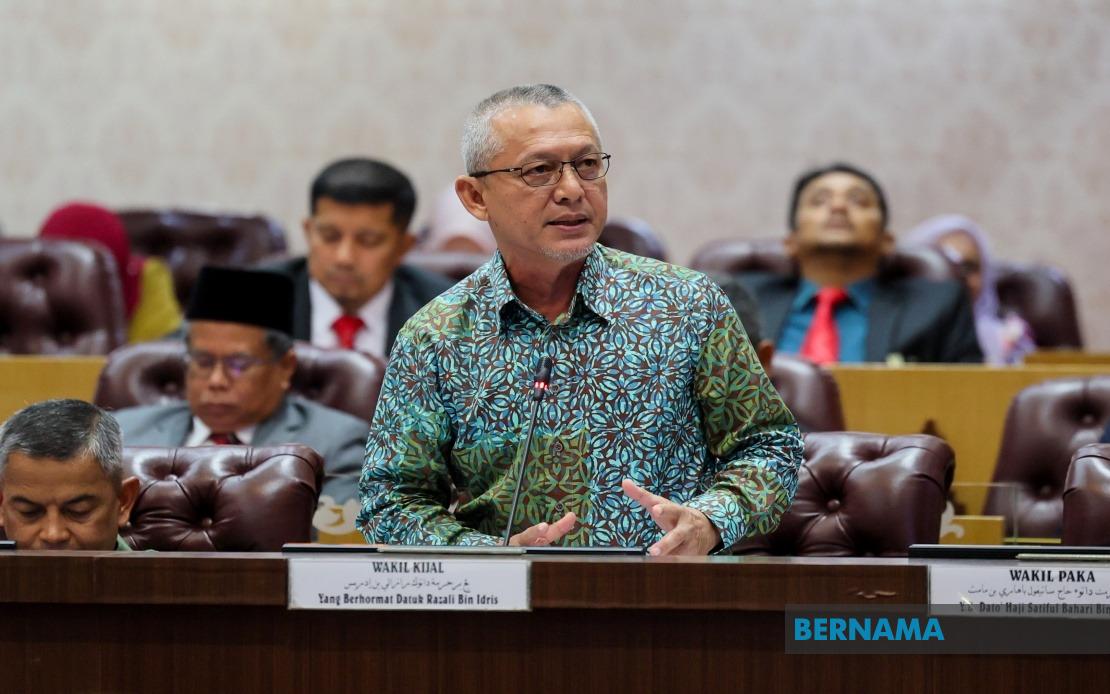
Datuk Razali Idris, the state's Tourism, Culture, Environment and Climate Change Committee chairman, articulated the strategic vision during proceedings at the Terengganu State Legislative Assembly, explaining that the funding flows through the Hulu Terengganu District Office and targets multiple complementary objectives. Rather than concentrating resources narrowly, the investment spans geoheritage preservation, experiential tourism product development, infrastructure improvement, educational programming, and skills enhancement for residents in surrounding communities. This diversified approach reflects recognition that sustainable geopark management requires simultaneous investment across environmental, economic, and social dimensions.
The conservation component of the initiative focuses on protecting geosites and heritage landmarks possessing significant scientific relevance. Notable protected features include Gua Bewah and Gua Taat—two cave systems of considerable geological importance—alongside Batu Bersurat, a cultural and archaeological landmark. By systematizing preservation efforts, Terengganu aims to safeguard irreplaceable natural and historical assets while creating frameworks for long-term stewardship that satisfies both domestic and international conservation standards. This approach acknowledges that heritage preservation today determines what remains available for education and tourism tomorrow.
Kenyir Geopark itself represents an expansive conservation landscape, encompassing approximately 244,900 hectares across Hulu Terengganu's terrain. The designated area functions as an integrated inventory of the state's natural and cultural richness, containing fifteen distinct geosites featuring notable rock formations and geological phenomena, ten biosites reflecting the region's ecological diversity, eleven cultural sites documenting human settlement and interaction with the landscape, and a single geo-archaeological site bridging earth sciences with human history. This compositional breadth distinguishes Kenyir from narrower protected areas focused exclusively on single conservation objectives.
The pathway toward UNESCO Global Geopark designation represents a deliberate escalation from Kenyir's current National Geopark status. International geopark recognition carries substantial implications for regional development and conservation funding accessibility. UNESCO-endorsed geoparks benefit from elevated global visibility, enhanced technical support networks, and eligibility for international partnerships that smaller or unrecognized parks cannot access. For Terengganu, achieving this status would signal to international tourists, researchers, and conservation organizations that the state maintains world-class natural heritage management, potentially attracting visitors willing to travel distances for authentic geotourism experiences rather than mass tourism activities.
Public engagement and education form equally critical investment components. The funding allocation explicitly supports awareness programming and capacity building initiatives targeting local communities surrounding the geopark. By investing in resident education about geological significance and sustainable tourism principles, the state cultivates stakeholder understanding of why conservation matters beyond abstract principles. Community members who comprehend their area's scientific importance become invested stewards rather than passive inhabitants, strengthening long-term conservation outcomes. Capacity building initiatives further enable residents to capture economic benefits through employment in guiding, hospitality, and heritage interpretation roles, creating material incentives for conservation support.
Visitor engagement metrics demonstrate the commercial viability of this investment strategy. Kenyir Geopark attracted 454,765 visitors during 2024, representing a striking 108.5 percent increase from the previous year's 218,157 visitors. This trajectory suggests growing recognition of the site among both domestic and international travelers seeking nature-based and educational experiences. For Malaysian policymakers, such growth validates investment in heritage tourism as economically sustainable, generating revenue that can finance further conservation while reducing dependence on extractive industries that degrade natural environments. The doubling of annual visitors within a single year indicates the geopark's significant potential as a revenue-generating conservation asset.
The development emphasis on geotourism product creation addresses a sophisticated tourism market segment increasingly distinct from conventional resort-based holidays. Geotourism appeals to travelers seeking authentic understanding of landscapes, geological processes, and indigenous cultural relationships to environment rather than standardized package experiences. By deliberately developing geotourism offerings, Terengganu positions itself within growing global trends favoring experiential and educational tourism. This market positioning offers competitive advantages over destinations focused exclusively on beach and entertainment tourism, particularly as international travelers demonstrate increasing environmental consciousness and desire for meaningful cultural exchange.
Infrastructure development funding enables practical visitor experiences that transform raw geological features into intelligible heritage experiences. Without adequate facilities—interpretive signage, access pathways, visitor centers, accommodation—even spectacular geological sites remain inaccessible to general tourists. The RM3.78 million allocation addresses this gap by funding geopark infrastructure that translates scientific significance into visitor engagement. Improved facilities also reduce environmental strain by concentrating visitor movement along designated routes rather than allowing dispersed impact across sensitive areas. Strategic infrastructure investment thus balances visitor access with conservation protection, a perpetual tension in heritage management.
From a broader regional perspective, Terengganu's Kenyir Geopark initiative contributes to Malaysia's diversification of tourism offerings beyond conventional beach and urban destinations. As Southeast Asian nations increasingly compete for specialized tourism segments—adventure travel, heritage tourism, geological education—states developing distinctive heritage attractions gain competitive advantages. Kenyir Geopark positions Terengganu as Malaysia's center for geological heritage tourism, differentiating it from neighboring states and attracting visitors with specific interests in earth sciences and natural history. This specialization offers more sustainable tourism development than mass-market approaches prone to environmental degradation and cultural erosion.
The state government's multi-year funding commitment signals confidence in Kenyir's development trajectory while demonstrating sustained political will necessary for international recognition processes. UNESCO Global Geopark designation involves rigorous evaluation periods and ongoing compliance monitoring, requiring consistent investment and management capacity rather than episodic funding surges. By allocating RM3.78 million across multiple fiscal years, Terengganu demonstrates the institutional stability that international organizations require before granting prestigious accreditations. This predictable funding approach also enables staff retention and long-term planning, factors that episodic funding cannot support.
Looking forward, Kenyir Geopark's trajectory positions Terengganu as a conservation innovator within Malaysia. The state's approach—combining heritage protection, community engagement, visitor infrastructure, and international recognition efforts—reflects sophisticated understanding that heritage conservation succeeds only when simultaneously addressing environmental, social, and economic dimensions. As climate change intensifies pressures on natural systems and as global tourism preferences shift toward authentic and educational experiences, destinations like Kenyir that integrate these elements strategically will increasingly command premium positioning in international travel markets, generating sustainable revenue while preserving irreplaceable geological and cultural assets for future generations.

