The Bumiputera Agenda Steering Unit (TERAJU) has appealed to policymakers to make the implementation of the Bumiputera Economic Transformation Plan 2035 (PuTERA35) a financial priority in the upcoming federal budget, recognising that without adequate resources, the ambitious programme cannot achieve its intended impact on Malaysia's Bumiputera communities.
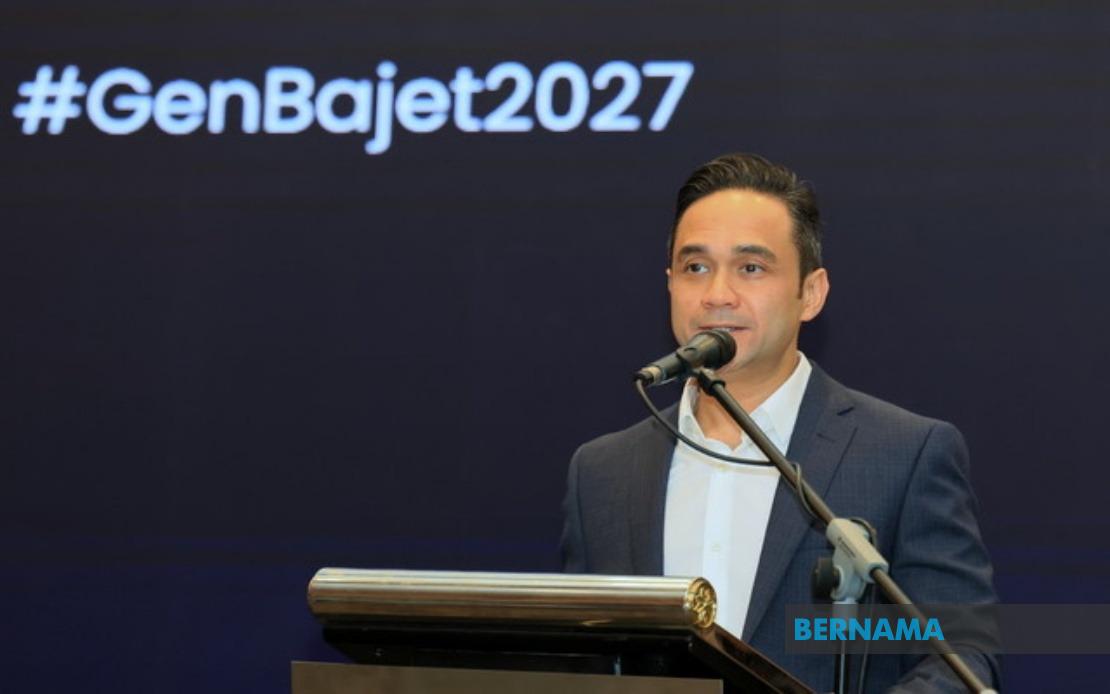
Speaking in Cyberjaya, Nik Nazree Nik Abdul Rahman, senior director of TERAJU's Strategic Services Division, underscored that sufficient funding forms the backbone of any effort to drive meaningful transformation in Bumiputera socio-economic development. The comprehensive nature of PuTERA35—which encompasses 132 distinct initiatives spanning across multiple sectors and running through to 2035—demands sustained financial commitment to ensure each programme receives the resources necessary for effective rollout and measurable outcomes.
The strategic plan, officially launched on August 19, 2024, represents a decade-long commitment to reshaping Bumiputera economic participation. Rather than pursuing scattered interventions, PuTERA35 adopts a structured approach organised around three pillars and twelve drivers, creating a coherent framework that aims to increase Bumiputera ownership, participation, and control within Malaysia's broader economic landscape. This alignment with the MADANI Economy framework reflects the government's intention to integrate Bumiputera advancement with the nation's wider development objectives.
According to Nik Nazree, the near-term target involves achieving specific milestones by 2030, even as the full scope of transformation stretches toward 2035. The urgency of Budget 2027 funding lies in maintaining momentum toward these intermediate goals, ensuring that the initiatives do not lose traction during the implementation phase. Current progress stands at 67 percent in terms of implementation, a figure that masks deeper concerns about whether the activities undertaken are genuinely translating into stronger enterprises and improved living standards for the Bumiputera community.
A critical distinction that Nik Nazree highlighted—and one often overlooked in policy discussions—is the difference between implementation rates and actual outcomes. While nearly two-thirds of PuTERA35 has been activated operationally, the unit recognises that implementation numbers alone do not guarantee success. The real measure involves whether these 132 initiatives are producing tangible strengthening of Bumiputera businesses and meaningful improvement in community welfare, requiring a more nuanced assessment than simple programme rollout metrics.
Among the sectors identified as deserving priority attention within Budget 2027 allocations is the energy transition, which represents an emerging economic frontier offering substantial opportunities for Bumiputera participation. As Malaysia navigates its pathway toward renewable and sustainable energy systems, positioning Bumiputera enterprises to capitalise on this transformation could generate new wealth creation channels and employment within a rapidly growing sector. The window to establish competitive advantage in energy transition businesses is narrowing, making timely budget support essential.
Beyond sector-specific priorities, TERAJU has identified capital market development as an area demanding expanded government support. Access to financing mechanisms and capital raising platforms has historically constrained Bumiputera enterprise growth, with many promising businesses unable to scale due to liquidity constraints or limited pathways to institutional investment. By strengthening the connection between Bumiputera entrepreneurs and capital market instruments, Budget 2027 could unlock substantial private sector participation in advancement activities, creating a multiplier effect beyond direct government expenditure.
The implementation architecture of PuTERA35 involves multiple oversight mechanisms, reflecting the complexity of coordinating such a broad-based economic transformation. Working committees, sector-specific task forces, and the Bumiputera Economic Council chaired by Prime Minister Datuk Seri Anwar Ibrahim provide different vantage points for monitoring progress and identifying implementation challenges. These layers of governance underscore the cross-cutting nature of the initiative, touching numerous policy domains and requiring coordination across government agencies, the private sector, and community organisations.
At year-end 2024, TERAJU plans to release a comprehensive performance report assessing PuTERA35's progress after its first two years of operation. This evaluation will carry significant implications for Budget 2027 discussions, as it will provide concrete evidence regarding which initiatives are delivering results and which require adjustment, additional resources, or different implementation approaches. For Budget 2027 planners, this report should serve as the primary evidence base for allocation decisions, enabling targeted investment in highest-impact areas rather than across-the-board funding increases.
For Malaysian stakeholders monitoring Bumiputera economic policy, the Budget 2027 deliberations represent a critical juncture. The outcome will signal whether the government views PuTERA35 as a transformative priority meriting sustained fiscal commitment or as one among many competing demands on limited budgetary resources. Given that the plan addresses structural inequalities and opportunities for sustainable wealth creation within Malaysia's largest demographic group, the budgetary decision carries implications extending well beyond immediate implementation metrics, influencing long-term economic inclusivity and social cohesion within the nation.

