The Professional Tennis Players Association has intensified its push for systemic changes to professional tennis's competition schedule, using a series of prominent withdrawals from the Canadian Open as a focal point for a broader argument about player welfare. The advocacy group expressed dismay—though not shock—at seeing multiple elite athletes forced to sit out the tournament, positioning these absences as symptomatic of a deeper structural problem within the sport: inadequate recovery windows between events and the relentless pressure to maintain performance throughout an extended season.
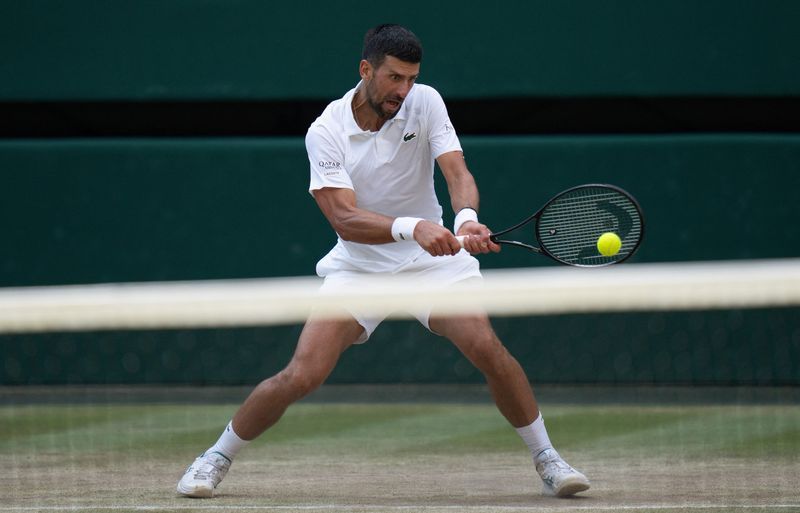
The Montreal leg of the Canadian Open saw particularly high-profile departures, with world number one Jannik Sinner withdrawing alongside 24-times Grand Slam champion Novak Djokovic. The men's draw was further weakened by the absence of Carlos Alcaraz, sidelined by a wrist complaint, and Canadian prospect Felix Auger-Aliassime, forced to withdraw before even stepping on court because of back problems. The women's tournament proved no less affected, with defending champion Victoria Mboko, Wimbledon finalist Karolina Muchova, Emma Raducanu, and Jasmine Paolini all absent due to injury—a roster of withdrawals suggesting the problem transcends any single player or circumstance.
Behind these individual cases lies a more alarming trend captured in the PTPA's ongoing medical research initiative. Over the past eight years, working with medical director Dr. Robby Sikka, the association has compiled and examined injury data spanning more than 30,000 professional matches across all competitive tiers. This comprehensive dataset paints a troubling picture: upper-body injuries have surged 42 percent in the first quarter of 2026 compared with the equivalent period in 2025, whilst arm injuries have skyrocketed by 112 percent compared with the 2025 yearly average. These are not marginal fluctuations but dramatic escalations that suggest systemic stress on players' bodies.
The timing of this injury spike corresponds directly with structural changes to the ATP's elite calendar. In implementing its OneVision strategic initiative, the ATP expanded seven of its nine Masters 1000 tournaments to 12-day formats, with 2025 marking the first full season under this revised structure. Whilst the tour framed this as part of a modernisation strategy, the PTPA contends that the extended event duration has actually compressed the time available for players to recover, train adequately, and travel between venues. What tournament organisers may have intended as an enhancement to the fan experience has, the union argues, inadvertently squeezed the already demanding professional calendar even further.
This issue has long simmered beneath the surface of professional tennis discourse. Tour organisers acknowledged late last month that recurring late withdrawals from Masters 1000 events had crystallised into a systemic problem affecting the sport's integrity and commercial appeal. Yet the PTPA's response suggests the problem runs deeper than mere scheduling inconvenience—it constitutes a public health issue within the sport itself. The association's formal statement declared with stark clarity: "The evidence is clear: the season is too long, recovery time is shrinking, and injuries are occurring earlier and becoming more severe."
For Malaysian and Southeast Asian readers, this controversy carries particular resonance given the region's growing investment in tennis infrastructure and the ambitions of emerging players from the area. The globalised tennis calendar already places considerable strain on aspiring competitors from smaller nations who must undertake extensive international travel. If the existing structure continues to generate injury crises among the sport's elite, the implications for development pathways and player sustainability across the region become increasingly troubling.
The PTPA has articulated a clear set of demands to address what it frames as a structural crisis requiring urgent intervention. The association is calling for a fundamentally reimagined calendar constructed around player health metrics and injury data rather than commercial scheduling preferences. Critically, the union insists that professional athletes themselves must have meaningful input into calendar design rather than having schedules imposed by administrative bodies. Beyond this governance shift, the PTPA wants mandatory tournament commitments reduced substantially to ensure players have genuine recovery windows, and it has explicitly urged the ATP to consider abandoning the recently implemented 12-day Masters 1000 format.
The ATP has offered a measured counterargument, asserting that players retain autonomy over their competition schedules and that the tour is actively developing incentive mechanisms to encourage an appropriate volume of matches without forcing participation. However, this response sidesteps the PTPA's core claim: that individual player choice becomes meaningless if the structural calendar itself is fundamentally overloaded. When elite athletes are withdrawing from major tournaments despite their obvious competitive and financial incentives to participate, the free-choice defence rings increasingly hollow.
Neither the ATP nor the WTA has provided substantive public comment on the PTPA's specific data and recommendations. This silence is itself instructive, suggesting either a lack of immediate counterargument or a preference to allow the controversy to settle without amplifying the discussion. Yet the injury data compiled by the PTPA represents the kind of evidence-based advocacy that is difficult to dismiss outright without offering rigorous counter-evidence.
The PTPA's framing of this as a long-term issue—one affecting not only contemporary competitors but the future viability of professional tennis—attempts to elevate the discussion beyond immediate commercial considerations. The association contends that prioritising short-term revenue generation through expanded tournaments at the expense of player health ultimately undermines the sport's long-term sustainability. Fewer injuries and healthier active players throughout their careers would, in theory, create a more robust competitive landscape and a deeper talent pool.
Moving forward, this dispute will likely shape negotiations between player representatives, tour organisers, and broadcast partners. The Canadian Open withdrawals have provided concrete, high-visibility evidence for arguments that have been circulating within tennis for years. Whether these high-profile absences prompt meaningful structural reform or become absorbed into the sport's existing operational patterns remains unclear, but the PTPA's data-driven approach has shifted the terrain of debate from anecdotal complaint to quantified evidence. For professional tennis globally and for emerging players across Southeast Asia developing their careers within this system, the resolution of this conflict will carry material consequences.

