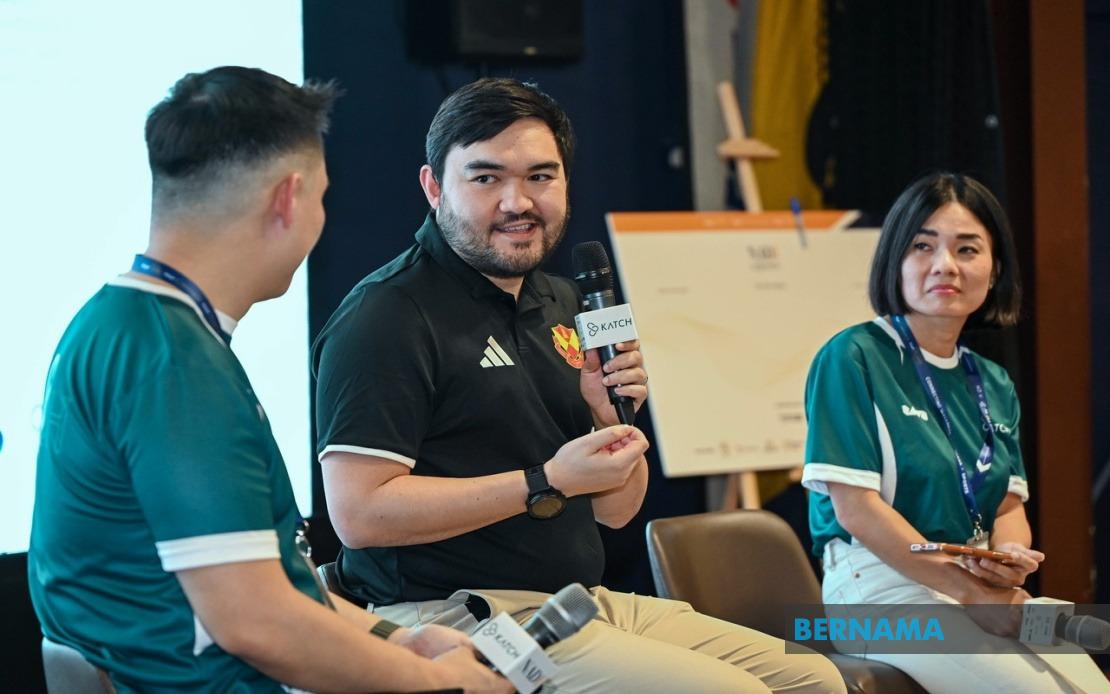
The success of Selangor at the Malaysia Games 2026 should catalyze a broader push to strengthen youth sports development across the state through the creation of consistent competitive platforms, according to the Raja Muda of Selangor, Tengku Amir Shah Sultan Sharafuddin Idris Shah. The state's commanding performance—securing 101 gold, 73 silver and 71 bronze medals to claim the overall championship—has presented an opportune moment to reflect on the infrastructure needed to sustain such achievements into the future.
Tengku Amir Shah underscored that regular competitions remain fundamental to retaining young athletes' engagement and providing them with tangible objectives for training and personal development. Speaking at the NADI Connecting Wellness, Fitness and Sports With RMS event in Petaling Jaya, he emphasized that establishing a competitive mindset among youth requires more than occasional tournaments. The consistent opportunity to test skills against peers throughout the year—ideally on a weekly or monthly basis—creates the psychological and tactical foundation necessary for athletes to progress and excel.
The Raja Muda drew upon his own experience in establishing community-level sporting structures to illustrate this principle. Before his deeper involvement with the Football Association of Selangor, Tengku Amir Shah helped create the Selangor Champions League, a competition designed to unite active social football teams across the state on a single competitive stage. This initiative demonstrated that grassroots-level competitions could simultaneously serve two critical functions: identifying emerging talent and elevating the overall standard of play by fostering a culture of competitiveness within communities.
His advocacy for expanded grassroots development reflects a long-standing personal commitment to youth sports participation. Tengku Amir Shah has maintained that nurturing young athletes requires institutional support extending well beyond SUKMA's biennial cycle. When competitions are woven into the fabric of weekly community life, athletes develop the discipline and goal-oriented mentality that distinguishes champions. This psychological dimension—the internalized drive to excel—proves as important as physical conditioning in producing elite performers.
The implications of this approach resonate beyond football, the sport with which Tengku Amir Shah is most closely associated. He advocated for applying the Selangor Champions League model to emerging sports gaining popularity among the Malaysian public, particularly pickleball and chess. Both disciplines have experienced explosive growth in recent years, attracting participants across age groups and socioeconomic backgrounds. By establishing structured competitive pathways at the grassroots level, Selangor could harness this enthusiasm and convert casual participation into serious athletic development.
The timing of this intervention carries particular significance for Malaysian sports policy. SUKMA's rotation among states means that hosting duties bring intense scrutiny and resource allocation to regional athletics. However, once the games conclude and attention shifts elsewhere, many states struggle to maintain infrastructure and momentum. Tengku Amir Shah's emphasis on sustainability suggests awareness of this cyclical challenge. By building robust grassroots competition systems now, Selangor can ensure that the investments and energy mobilized for SUKMA 2026 translate into lasting institutional capacity.
The approach also addresses a persistent gap in Malaysian sports development. While elite-level competitions receive significant attention and funding, the middle tier—where most young athletes require consistent platforms to develop—often operates with inadequate resources and organization. Community-based leagues and tournaments provide affordable, accessible alternatives to expensive national championships, democratizing competitive sport. Athletes from modest backgrounds need not travel extensively or pay prohibitive fees to participate in structured competitions, a reality that widens the talent pool available to identify future national representatives.
Tengku Amir Shah's remarks emerged during an event that convened fifty leaders from the wellness, fitness and sports sectors, reflecting broader efforts to coordinate policy and direction across Malaysia's sports ecosystem. This gathering suggested recognition among senior figures that sustained athletic excellence requires coherent strategy and cross-sector collaboration. The emphasis on community-level infrastructure aligns with international best practices in sports development, where smaller competitive structures function as feeders to regional and national programs.
The prospect of expanded grassroots competitions in Selangor holds implications for neighboring states and Southeast Asia more broadly. As Malaysia's most developed and populous state, Selangor often sets trends that other regions subsequently emulate. A successful model for grassroots sports organization developed in Selangor could be adapted and replicated elsewhere, potentially elevating the region's overall athletic standards. In the context of regional sporting rivalries, consistent development of competitive youth creates advantages that compound over years and decades.
The Raja Muda's intervention also reflects the evolving expectations placed upon members of the royal family in Malaysia. Beyond ceremonial roles, contemporary royalty increasingly engage with policy advocacy and social development initiatives. Tengku Amir Shah's sustained involvement with sports—from administrative roles in football to broader wellness initiatives—demonstrates how institutional figures can leverage their position and influence to advance sporting interests. His articulation of grassroots development priorities carries particular weight given his official standing and demonstrated commitment to implementation.
Moving forward, the challenge lies in translating these aspirations into concrete action and sustained funding. Establishing regular competitions requires consistent financial resources, volunteer coordination, and institutional frameworks. The success of Tengku Amir Shah's earlier Selangor Champions League initiative suggests feasibility, yet scaling similar models across multiple sports and geographic areas presents logistical complexity. State-level support, private sector partnerships, and community organizations must align behind this vision for grassroots expansion to materialize at the scale Tengku Amir Shah envisions.
Ultimately, the Raja Muda's advocacy reflects recognition that sporting excellence emerges not from isolated achievement but from institutional depth. SUKMA 2026 success provides evidence of Selangor's capacity, yet sustainability requires building competition structures that engage hundreds and thousands of young athletes consistently. By embedding sports competitions into community rhythms, Selangor can cultivate the talent pipelines, competitive cultures, and winning mindsets that produce both national champions and healthier, more engaged youth populations—benefits extending far beyond medal counts.

