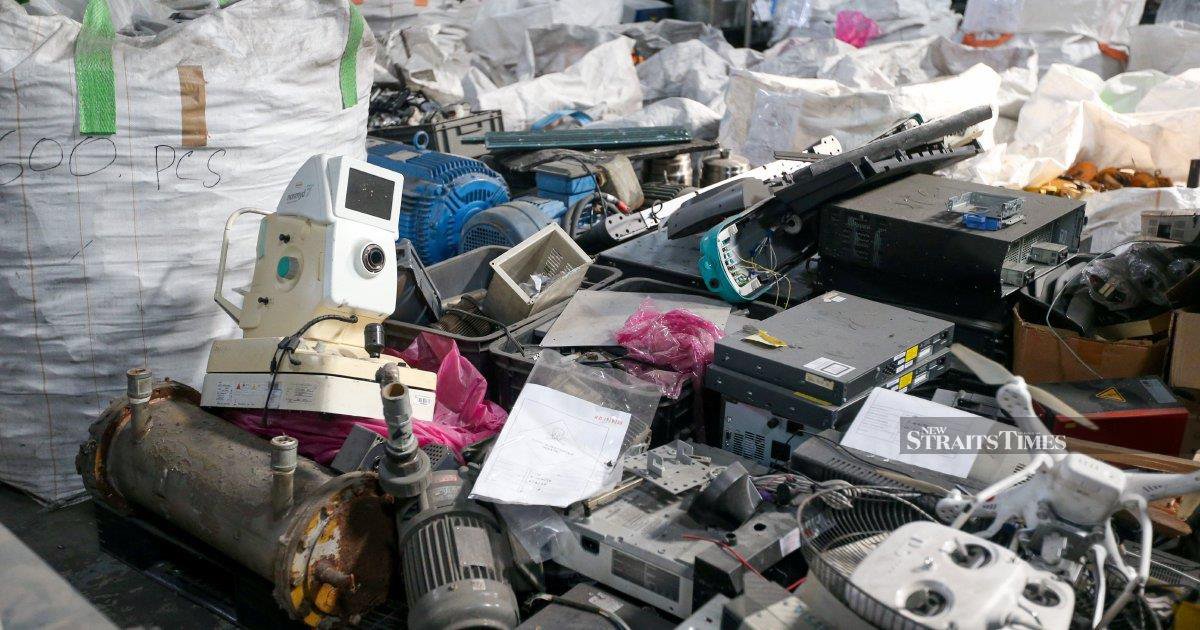
A significant operation by law enforcement has resulted in the arrest of ten General Operations Force (GOF) personnel in connection with an extortion investigation centred on an e-waste processing facility located in the Tasek Gelugor area of Penang. The detentions mark a noteworthy development in the case and signal official acknowledgment of potential wrongdoing among members of the paramilitary unit tasked with public order and security operations across Malaysia.
The General Operations Force, established as Malaysia's primary paramilitary police unit, carries substantial responsibilities in maintaining public security and assisting in law enforcement operations nationwide. This development is particularly significant given the force's elevated public visibility and the trust placed in its personnel to uphold the law while combating criminal activity. The involvement of a substantial number of GOF officers in an extortion matter raises questions about supervision, accountability mechanisms, and the efficacy of internal oversight within the unit.
Extortion cases involving uniformed personnel carry particular gravity within Malaysian law enforcement circles, as they undermine public confidence in state institutions and blur the line between legitimate security operations and criminal predation. The targeting of an industrial facility—specifically one engaged in e-waste processing—suggests the operation may have involved systematic extraction of payments, potentially under the guise of routine inspection, compliance verification, or security-related activities. E-waste facilities operate in a tightly regulated environment given environmental concerns and hazardous material handling requirements, creating opportunities for coercive actors to exploit legitimate regulatory frameworks.
The Tasek Gelugor location in Penang indicates the matter falls under the jurisdiction of state authorities in one of Malaysia's most densely populated regions. Penang's industrial landscape encompasses numerous manufacturing and processing operations, many of which interface regularly with law enforcement and regulatory bodies. The concentration of potential victims and witnesses in this urban-industrial corridor may have enabled detection of the alleged pattern of extortion, as facility operators likely communicate regarding suspicious demands or irregular enforcement practices.
The arrest of ten personnel represents a decisive response that suggests investigators identified either coordinated involvement or overlapping patterns of misconduct. Whether these individuals operated as an organised unit or whether their arrests reflect multiple independent incidents remains a matter for investigative authorities to clarify. The scale of the operation indicates that initial complaints or intelligence gathering prompted comprehensive law enforcement action rather than isolated responses to individual allegations.
For Malaysian businesses operating in regulated sectors—particularly those managing hazardous materials or environmental concerns—this development carries implications regarding their interactions with enforcement personnel. The case underscores the vulnerability of industrial operators to potential misconduct by officials who exercise inspectorial or regulatory authority. Facility managers may face internal pressure to distinguish between legitimate enforcement activities and improper demands, a distinction that becomes blurred when uniform-wearing personnel employ their official position for personal gain.
The e-waste processing sector deserves particular attention in this context, as it remains a relatively specialised industrial activity in Malaysia. These facilities handle materials containing valuable metals and hazardous substances, requiring strict compliance with environmental regulations and occupational safety standards. The regulatory oversight burden creates multiple touchpoints with government authorities, potentially exposing operators to situations where official capacity could be misused for extraction of unauthorised payments.
From a Southeast Asian perspective, this case reflects challenges confronting the region as industrialisation and waste management pressures intensify. The handling of electronic waste—itself a consequence of regional electronics manufacturing dominance—requires robust institutions capable of managing both environmental risks and the ethical conduct of enforcement personnel. Penang's prominence in electronics manufacturing means the state sits at the intersection of industrial growth, waste generation, and regulatory necessity, making governance failures in this domain particularly consequential.
The investigation and any subsequent prosecutions will reveal critical details about the scope and methodology of the alleged extortion. Whether the GOF personnel exploited their official standing in routine patrols, fabricated compliance violations to justify demands, or employed direct threats remains to be established through judicial processes. These specifics matter significantly for understanding how institutional safeguards failed and what reforms might prevent recurrence.
Institutional responses to misconduct allegations remain crucial for maintaining public legitimacy. The General Operations Force, like all Malaysian law enforcement bodies, derives its effectiveness from community confidence and perception of impartiality. Swift action against officers implicated in criminal conduct—as evidenced by these arrests—demonstrates commitment to accountability, though public trust ultimately depends on transparent investigations, fair proceedings, and proportionate consequences for confirmed wrongdoing.
The broader implications extend to e-waste management policy and industrial regulation in Malaysia. If enforcement personnel have systematically exploited facility operators, questions arise about whether regulatory frameworks themselves require adjustment to reduce vulnerability to misconduct. Establishing clear protocols for inspections, documentation of all official interactions, and transparent communication channels between regulators and regulated industries could mitigate opportunities for extortion while maintaining necessary oversight.
As the investigation progresses, further disclosures will shed light on whether this represents an isolated incident involving a specific unit or reflects more systemic vulnerabilities within GOF operations. The coming weeks and months will prove crucial in determining whether charges are filed, what accountability mechanisms are activated, and what institutional reforms emerge from official investigations. For Malaysia's industrial operators and the broader project of institutional integrity, the manner in which authorities handle this case will signal the seriousness with which misconduct allegations are treated when they involve uniformed personnel wielding regulatory authority.

