Malaysia's Land Public Transport Agency (APAD) has announced a significant policy adjustment to its flagship National MADANI Taxi Renewal Programme (Teksi MADANI), allowing taxi drivers to license or replace their vehicles with models other than the officially designated Proton S70. The flexibility represents a pragmatic response to implementation challenges that have emerged since the programme's launch, particularly addressing difficulties faced by applicants in securing hire-purchase financing for the new vehicles.
The adjustment comes despite the Transport Ministry's April 23 policy announcement, which originally stipulated that all new applications and vehicle replacements under Teksi MADANI would be limited exclusively to the Proton S70 taxi package. APAD's statement clarifies that while drivers are encouraged to embrace the full benefits of the Teksi MADANI programme by purchasing the designated model, the agency recognises that not all applicants can meet this requirement. The agency notes that some drivers already possess existing vehicles that remain operational, whilst others have encountered barriers in obtaining financing approval specifically for the Proton S70 package.
This policy shift carries significant implications for Malaysia's taxi industry, which has long operated under a traditional leasing model that prevented drivers from building asset ownership. When Prime Minister Datuk Seri Anwar Ibrahim launched Teksi MADANI on July 3, the programme was positioned as transformational, fundamentally shifting the industry dynamic by enabling taxi drivers to become legal vehicle owners rather than lessees. The move addressed longstanding grievances within the sector regarding financial exploitation and the absence of personal asset accumulation.
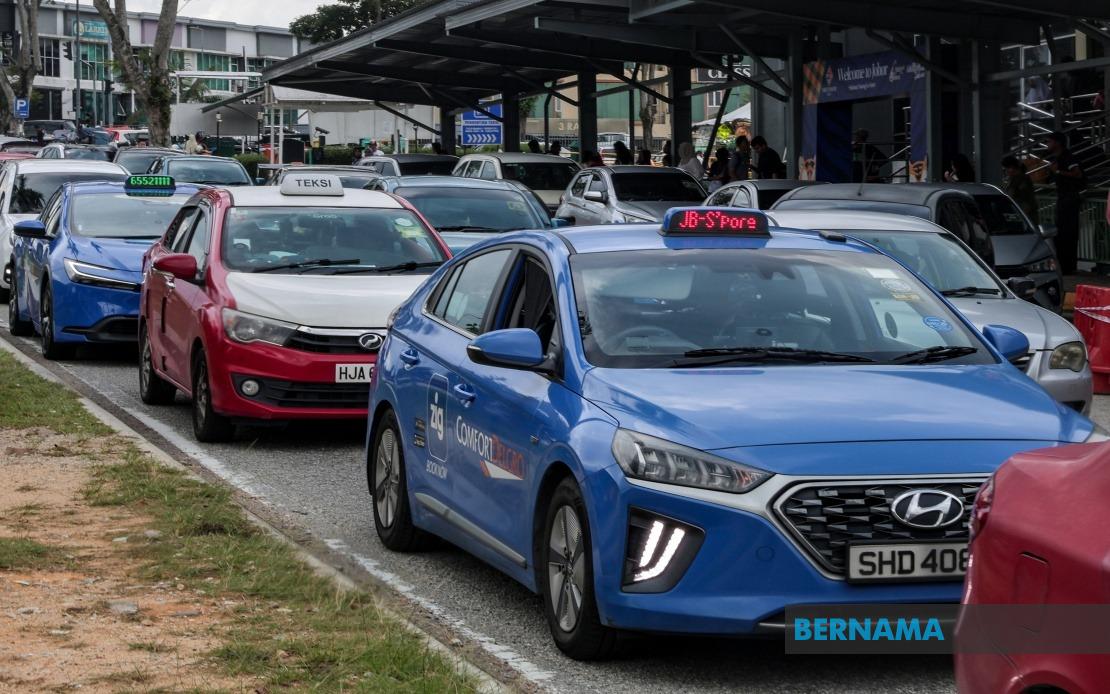
The Proton S70 sedan was specifically selected as the modernised official taxi model, representing a dramatic departure from Malaysia's traditional rooftop-signed taxis. The new vehicles feature a contemporary aesthetic without the prominent rooftop identification signs that have characterised Malaysian taxis for decades, instead utilising a distinct registration series beginning with the letters "GET" to distinguish them within the national vehicle database. This rebranding aims to elevate the industry's image whilst facilitating easier identification through digital systems.
The financing barrier that prompted APAD's flexibility appears substantial enough to warrant policy adjustment. Despite government support through Budget 2026 allocations and additional funding announced subsequently, applicants have struggled to obtain hire-purchase financing for the Proton S70 package. Prime Minister Anwar Ibrahim subsequently announced an additional RM10 million allocation for the Old Vehicle Replacement Matching Grant Programme specifically targeting taxi drivers, supplementing the initial RM10 million budget allocation for Teksi MADANI implementation. This escalating financial commitment underscores the government's determination to advance the industry transformation.
For Malaysian taxi drivers, the policy adjustment presents both opportunities and considerations. Those pursuing the Teksi MADANI pathway can still access the programme's substantial incentives and the pathway to vehicle ownership that distinguishes it from the traditional leasing arrangement. However, the flexibility to choose alternative vehicles means drivers can now participate using their existing assets or securing financing through conventional channels rather than the programme-specific arrangements. This reduces the barrier to entry for drivers unable or unwilling to commit exclusively to the Proton S70 model.
The regulatory position on older vehicles remains unchanged under the revised framework. Existing taxis that drivers choose not to replace under Teksi MADANI continue to receive operational authorization until they reach the specified vehicle age limits established under Malaysian transport regulations. This grace period ensures that the industry transition occurs gradually, preventing sudden disruption to essential urban mobility services across Malaysian cities and states.
From a broader Southeast Asian perspective, Malaysia's Teksi MADANI programme represents one of the region's more ambitious attempts to formalise and modernise the taxi sector whilst addressing driver welfare. The flexibility adjustment demonstrates recognition that rigid prescriptive policies, even those well-intentioned, sometimes require calibration when implementation encounters real-world constraints. The willingness to permit alternative vehicles whilst maintaining the core objective of ownership transition and industry transformation suggests pragmatic programme management.
The broader context includes regional challenges in formalising informal transport sectors. Malaysian policymakers face the same tensions visible across Southeast Asia: balancing modernisation aspirations with the economic realities facing individual drivers, managing the financial mechanics of large-scale industry restructuring, and ensuring that reform programmes remain accessible to the workers they intend to benefit. APAD's adjustment acknowledges that a one-size-fits-all approach to vehicle selection can inadvertently exclude precisely those drivers most in need of programme benefits.
Looking ahead, the Teksi MADANI programme's success will likely depend on how effectively APAD manages the coexistence of Proton S70 vehicles with alternative models within the same regulatory and operational framework. Clear identification systems and seamless integration of vehicles with the "GET" registration series alongside alternative models will be essential for maintaining service standards and customer confidence. The programme's ultimate measure will be whether increasing numbers of Malaysian taxi drivers transition from leasing to ownership arrangements, regardless of the specific vehicle they ultimately operate.
The policy adjustment also reflects evolving relationships between government agencies and industry stakeholders in Malaysian transport policy. Rather than rigidly enforcing the original vehicle specification despite implementation difficulties, APAD has chosen to prioritise programme participation over vehicle uniformity. This approach may ultimately prove more successful in achieving the core objective of industry transformation, whilst the visibility of alternative vehicles in the reformed taxi fleet represents a pragmatic compromise between ideal outcomes and implementable realities.

