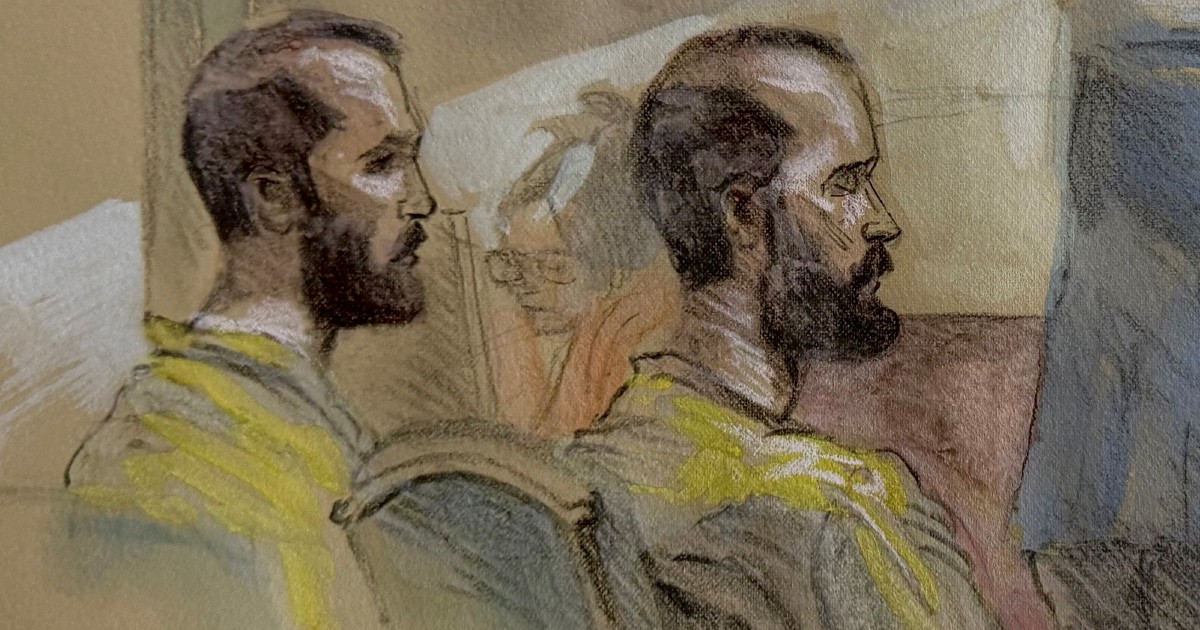
The Tate brothers—prominent social media figures Andrew and Tristan—will continue their detention in a Miami federal facility as their legal team pursues an aggressive challenge to their extradition to the United Kingdom, where serious allegations of sexual violence await adjudication. During proceedings at Miami federal court on Thursday, Magistrate Judge Lauren Louis opted against an immediate determination on the brothers' application for release on bail, effectively keeping them in federal custody pending her full written decision on the matter.
The decision represents a critical juncture in a case that has captivated global audiences since the brothers' arrest, particularly among the vast online communities that followed their rise as controversial digital personalities and self-styled business mentors. The delay in the judge's ruling, while procedurally routine in complex extradition cases, underscores the complexity of the legal questions at stake and suggests the magistrate requires additional time to evaluate the considerable documentation and arguments presented by both the defence and prosecution teams.
Andrew and Tristan Tate built considerable followings across multiple platforms by dispensing advice on wealth accumulation, masculinity, and lifestyle topics, accumulating millions of subscribers and generating substantial revenue streams through various digital enterprises. Their arrest in late 2022 marked an abrupt reversal in their prominence, transforming them from celebrated online personalities into subjects of intensive legal scrutiny across multiple jurisdictions. The transition from celebrated influencer status to facing serious criminal allegations has demonstrated how rapidly digital fame can evaporate when legal complications emerge.
The extradition proceedings involve allegations that originated in Romania before British authorities became involved, reflecting the transnational nature of modern criminal investigations. The brothers have contested the charges vehemently through their legal representatives, arguing that the extradition process itself contains procedural irregularities and questioning the sufficiency of evidence against them. Their defence strategy focuses on challenging the foundational legal grounds for transferring them to British jurisdiction, a common approach in high-profile extradition cases where the accused disputes both the charges and the legal mechanism by which they might be prosecuted abroad.
For Malaysian readers and observers across Southeast Asia, the case illustrates the vulnerability of global digital influencers to legal exposure across multiple countries simultaneously. The Tate brothers operated within the region's growing influencer economy, where content creators from outside Asia frequently target Asian audiences with lifestyle and business mentorship programming. This case demonstrates that digital fame and geographic distance provide no shield against criminal investigations, particularly when allegations involve serious crimes that trigger international law enforcement cooperation.
The federal magistrate's approach—taking time to produce a carefully reasoned written decision rather than ruling from the bench—suggests the legal questions surrounding bail are sufficiently nuanced to merit thorough analysis. Bail decisions in extradition contexts involve balancing the defendant's presumption of innocence and ties to the jurisdiction against the risk that an accused person might flee or pose a danger to the community. The brothers' significant financial resources and international profile likely heighten judicial concerns about flight risk, a standard consideration in determining whether accused individuals should remain incarcerated pending further proceedings.
Meanwhile, the broader implications for the digital influencer industry continue to unfold. The case has prompted scrutiny of the business practices and personal conduct of prominent online personalities who operate across multiple countries, generating debates about accountability, authenticity, and the responsibilities that accompany substantial audience reach. Educational institutions and online safety organisations have referenced the case when discussing predatory behaviour patterns and warning signs that audience members should recognize when engaging with online personalities.
The brothers remain in federal custody in a facility designed for pretrial detention, where they will remain until Magistrate Judge Lauren Louis delivers her formal ruling on their bail applications. The written decision, when issued, will establish critical parameters for the subsequent stages of their legal proceedings, potentially determining whether they remain in the United States or are transferred to British authorities to face prosecution there. That determination will hinge substantially on the judge's assessment of whether the extradition treaty between the United States and the United Kingdom has been properly invoked and whether sufficient probable cause exists to believe the charges can be substantiated.
The timeline for the judge's ruling remains uncertain, though complex extradition cases typically require several weeks for deliberation and written opinion preparation. During this interim period, both the defence and prosecution teams will likely prepare supplementary materials for the next procedural stage, whether that involves appellate challenges to an adverse bail decision or preparation for full extradition hearings should bail be granted. The case continues to draw international media attention and raises questions about how justice systems should balance the rights of the accused against public safety concerns and the perceived severity of allegations.
For the Tate brothers' legal situation, the extended detention in Miami represents a holding pattern that will persist until judicial determination arrives. Their defence teams will likely pursue every available legal avenue to secure release, knowing that pretrial incarceration can complicate case preparation and exert psychological pressure on defendants. Meanwhile, their former audience members and business associates navigate the complicated aftermath of the brothers' departure from the influencer sphere, as investigations continue in multiple jurisdictions examining the nature of their business operations and personal conduct.

