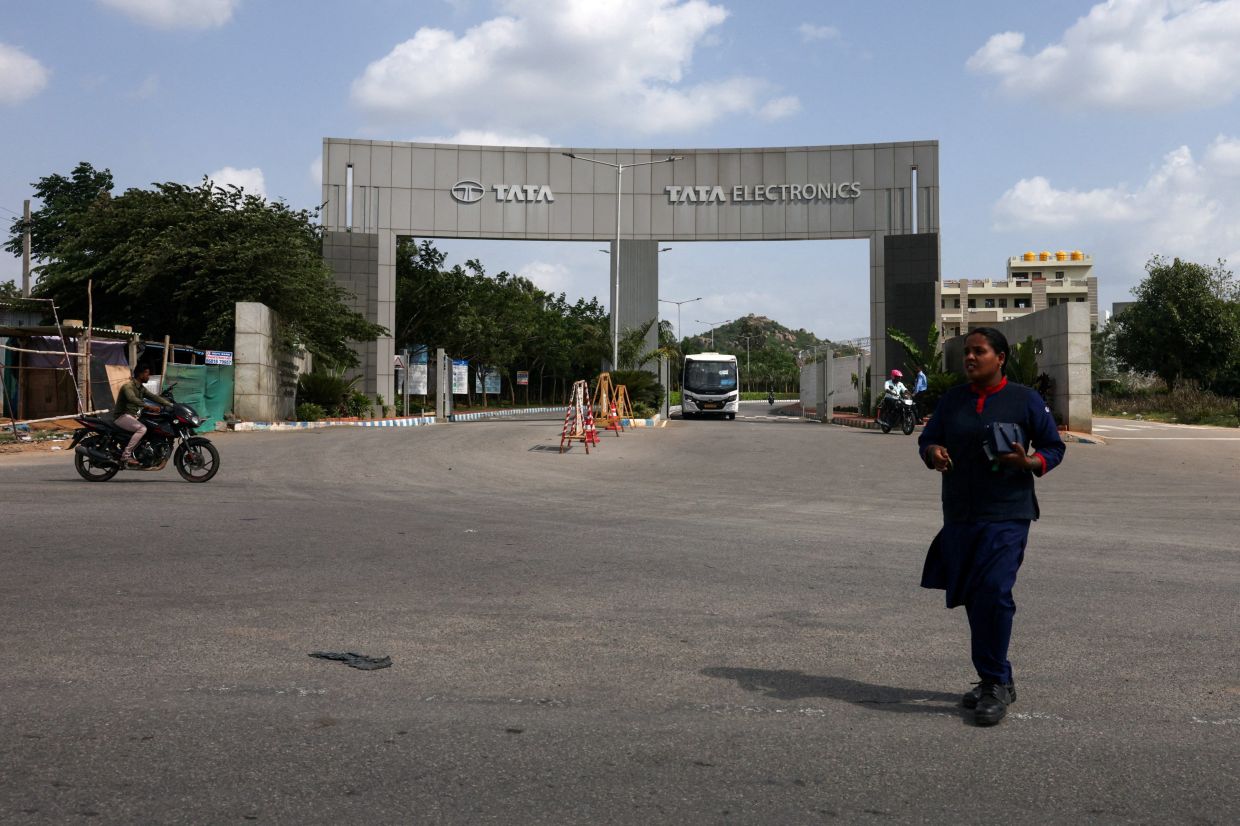
Tata Electronics acknowledged on Monday that it had fallen victim to a significant cybersecurity attack, prompting fresh concerns about the vulnerability of India's rapidly expanding electronics manufacturing sector. The disclosure came after researchers discovered that the World Leaks ransomware group had published what it claimed were proprietary design documents and technical specifications belonging to Apple and Tesla, two cornerstone customers of the Indian conglomerate's sprawling operations. The posted material reportedly comprises more than 200,000 files totalling approximately 630 gigabytes, accessible exclusively on dark web networks beyond the reach of conventional internet search engines.
In a statement to Reuters, Tata Electronics characterised the incident as a "cybersecurity incident" detected several weeks prior, claiming that emergency response protocols had been activated swiftly and that operational continuity across all business divisions remained unaffected. However, the company's measured public response contrasts sharply with the gravity of the situation developing behind the scenes. Apple initiated a comprehensive investigation into the matter, with sources close to the technology giant confirming that threat actors had delivered a formal ransom demand linked to the stolen materials. While neither Apple nor Tesla responded to inquiries seeking comment, the involvement of extortion demands underscores the criminal sophistication underpinning modern supply chain attacks.
The compromised data reveals the breadth of technical information now potentially exposed. Cybersecurity researchers who examined the database discovered numerous files bearing Apple's proprietary markings, including a 52-page quality inspection standards document for iPhone circuit board components. Search queries conducted on World Leaks' database returned 181 results associated with Apple and several documents referencing Tesla's internal projects, including what appeared to be manufacturing specifications and assembly documentation dated May 2025. Among the Tesla materials was a folder labelled "NV36 Chargeport Controller - North America," seemingly referring to components used in the electric vehicle manufacturer's upgraded Model Y SUV. Additional documents bore confidentiality notices explicitly stating the material constituted proprietary trade secrets of both technology firms.
The breach carries particular significance given Tata's expanding role in Apple's global manufacturing footprint. As the Indian conglomerate emerges as one of Apple's most critical manufacturing partners outside China, the incident threatens the delicate geopolitical calculations underlying global supply chain diversification. Tata currently accounts for approximately one-third of Apple's iPhone production within India, with Foxconn handling the remainder. This arrangement sits squarely within Prime Minister Narendra Modi's strategic initiative to position India as a global electronics manufacturing hub, a cornerstone objective of India's long-term economic development strategy.
The timing of this incident compounds existing challenges facing Tata's operations. Recently, the company has faced mounting scrutiny over alleged environmental contamination near one of its major iPhone assembly facilities, adding operational and reputational pressures. Additionally, Tata's experience with previous cyberattacks provides sobering precedent. The conglomerate's British luxury automotive subsidiary, Jaguar Land Rover, suffered a significant ransomware attack last year that forced a complete production halt lasting six weeks, demonstrating the severe operational consequences that such breaches can inflict on manufacturing operations.
The technical analysis conducted by Indian cybersecurity researchers who examined the purported stolen data reveals the granular level of organisational intelligence now compromised. Beyond design specifications and manufacturing documentation, the leaked materials include employee correspondence spanning multiple years, system event logs, and copies of employee passports belonging to both Indian and foreign nationals. This category of personal information suggests the attackers gained extensive access to internal human resources and administrative systems, indicating a breach of unusual depth and duration. One researcher noted that materials referencing Tata's primary iPhone assembly facility in Hosur, Tamil Nadu, were prominently featured, with 33 separate files and folders bearing location-specific identifiers.
World Leaks, the ransomware collective claiming responsibility for the breach, has established itself as an increasingly aggressive threat actor. The group previously claimed responsibility for compromising athletic apparel manufacturer Nike, demonstrating escalating sophistication in targeting high-value global brands. The placement of stolen material on dark web infrastructure accessible since at least June 10 suggests a protracted exposure period during which the data may have been accessed by multiple parties, complicating containment and forensic efforts.
Tata's handling of the incident internally adds another dimension to the unfolding situation. Sources indicate that the company notified some employees at its iPhone assembly operations of the data breach only in recent days, suggesting a delayed disclosure process internally even after initial detection. This pattern raises questions about the timeline and scope of the company's incident response coordination with affected customers and authorities. The Indian Computer Emergency Response Team, the government body responsible for overseeing significant cyber incidents, had not publicly commented on the matter at the time of reporting.
The breach illuminates persistent vulnerabilities within global technology supply chains, even among world-leading manufacturing organisations. As companies accelerate their geographic diversification of production outside China in response to geopolitical tensions and supply chain concerns, they simultaneously expose themselves to varied and sometimes less mature cybersecurity environments. The incident demonstrates that expanding manufacturing footprints, while economically strategic, introduces fresh attack surfaces and operational risks that require commensurate investment in security infrastructure and threat intelligence capabilities.
For Malaysian technology and manufacturing stakeholders, the Tata incident carries cautionary implications. As Southeast Asia positions itself as an alternative manufacturing destination for global electronics firms, the security posture of regional suppliers becomes increasingly consequential. The exposure of proprietary Apple and Tesla information raises questions about whether similar vulnerabilities exist within other regional contract manufacturers and technology suppliers. Companies establishing operations across Southeast Asia will likely face intensified pressure to demonstrate robust cybersecurity frameworks and incident response capabilities to maintain customer confidence.
The broader context suggests that both Tata and its major customers face challenging months ahead. Beyond the immediate ransom negotiation dynamics and forensic investigations, stakeholders must contend with the long-term consequences of exposed intellectual property. Technical specifications and design documentation, once circulating within criminal networks, cannot be recalled, potentially informing competitive intelligence activities or enabling counterfeit manufacturing operations. For Apple and Tesla, damage control now extends beyond immediate incident response to encompass strategic assessment of whether disclosed technologies require redesign or modification to address security implications.
Looking forward, the incident will likely catalyse more stringent vendor security requirements across the technology industry. Apple, Tesla, and comparable firms maintaining complex global supply chains will probably implement enhanced security audits, mandatory cybersecurity certifications, and incident response protocols among manufacturing partners. For Tata, the path forward involves not only recovering from this particular breach but also demonstrating renewed commitment to cybersecurity excellence to maintain its position as a preferred manufacturing partner for global technology leaders navigating a fundamentally risky operating environment.