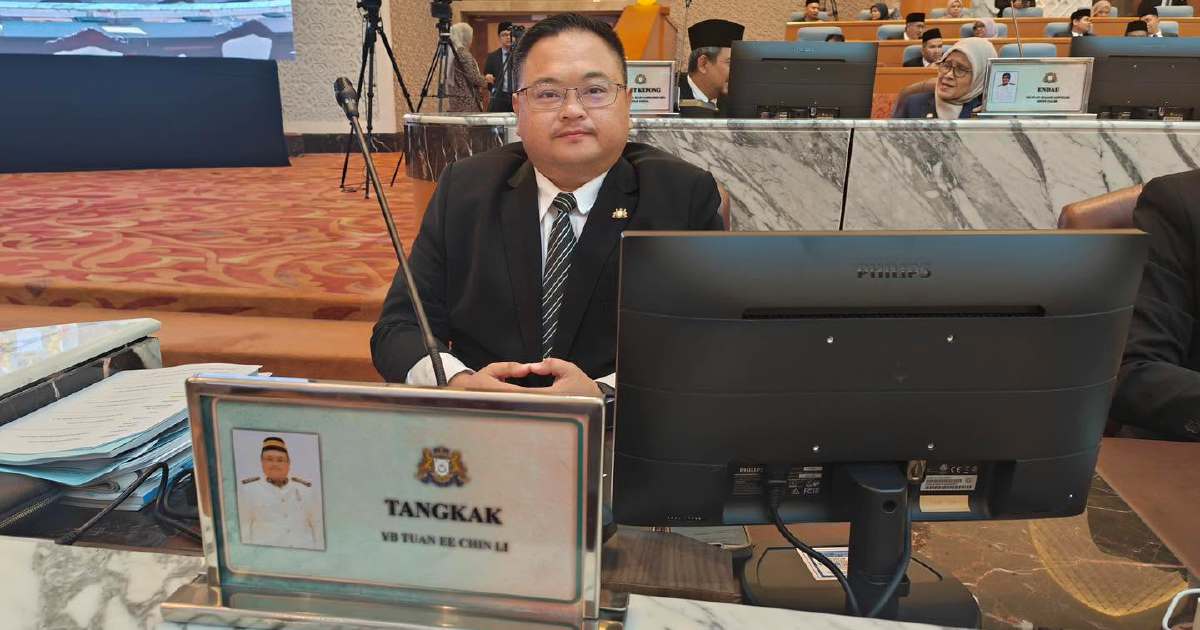
The contest for Tangkak in Johor's upcoming state election is shaping up as a two-way contest between the incumbent administration and the opposition, with no third-party disruption expected to complicate the July 11 ballot. Pakatan Harapan's Ee Chin Li, who currently holds the seat, will defend against Barisan Nasional's How Chin Teck in what promises to be a closely watched race in the southern state.
Tangkak represents a significant battleground within the broader Johor political landscape, where the outcome could influence the overall state assembly composition. The direct confrontation between these two major coalitions underscores the polarised nature of Malaysian politics at the state level, particularly in Johor where both BN and PH maintain substantial organisational presence and voter support bases.
Ee Chin Li's incumbent status carries both advantages and challenges. Having previously won voter confidence in the constituency, the PH representative enters the contest with established grassroots networks and a track record to defend. However, incumbency also means voters may scrutinise the local representative's performance during the current term, evaluating whether promises made previously have been adequately fulfilled.
How Chin Teck's nomination as BN's candidate reflects the coalition's strategic focus on reclaiming territory in Johor. Barisan Nasional has traditionally maintained strongholds across numerous constituencies in the state, though recent electoral cycles have seen shifts in voter preferences. The party's selection of How Chin Teck suggests a calculated effort to present a credible alternative to PH's governance record.
The two-candidate scenario eliminates vote-splitting concerns that might otherwise benefit either major coalition, focusing voter attention squarely on these two individuals and their respective party platforms. This clarity of choice may encourage higher voter turnout, as undecided voters must ultimately align with either the incumbent or the challenger without third-party options.
Johor's state election carries particular significance within the Southeast Asian context, as electoral outcomes in Malaysia's second-largest state frequently influence national political calculations. The Tangkak contest, while a single seat among the state assembly's total, contributes to the broader picture of whether Pakatan Harapan can consolidate support in Johor or whether Barisan Nasional will reassert dominance in the state.
For Malaysian voters monitoring state-level politics, the Tangkak race encapsulates current trends in preference between continuity under PH or a return to BN-led governance. The campaign period leading to July 11 will likely see both candidates emphasising their respective coalitions' development records, particularly in addressing local infrastructure, economic opportunities, and social services that affect Tangkak residents directly.
The straight contest format means neither major political party has negotiated seat allocations with smaller partners in this particular constituency. This configuration differs from some other electoral contests where coalition partners share seats, indicating that both BN and PH identified Tangkak as sufficiently competitive or ideologically important to field their own candidates without compromise.
Historical voting patterns in Tangkak will likely inform campaign strategies from both camps, with demographic analysis determining which voter segments receive concentrated attention. The constituency's composition—whether predominantly urban, semi-rural, or mixed—will influence the messaging and policy pledges prioritised by Ee Chin Li and How Chin Teck throughout the campaign.
As Johor approaches its state election, Tangkak emerges as a microcosm of larger questions facing Malaysian voters: whether incumbent administrations deserve continuation or whether electoral change promises superior governance. The personal contest between the two candidates will inevitably reflect party-level differences in economic policy, social programmes, and administrative philosophy.
Voter mobilisation efforts by both PH and BN will intensify as July 11 approaches, with ground operations determining which candidate succeeds in translating party support into actual votes. The absence of a third-party candidate may initially appear to simplify the contest, yet each coalition must still overcome voter apathy and ensure sympathetic voters actually cast ballots rather than remaining home.
The Tangkak election result will contribute data points to analysts assessing whether Johor remains contested terrain or whether one coalition is consolidating durable electoral advantage. Within Malaysia's federal structure, state elections test political momentum independent of national dynamics, offering opportunities for alternative governance approaches to gain traction at the grassroots level where state representatives most directly affect residents' daily lives.

