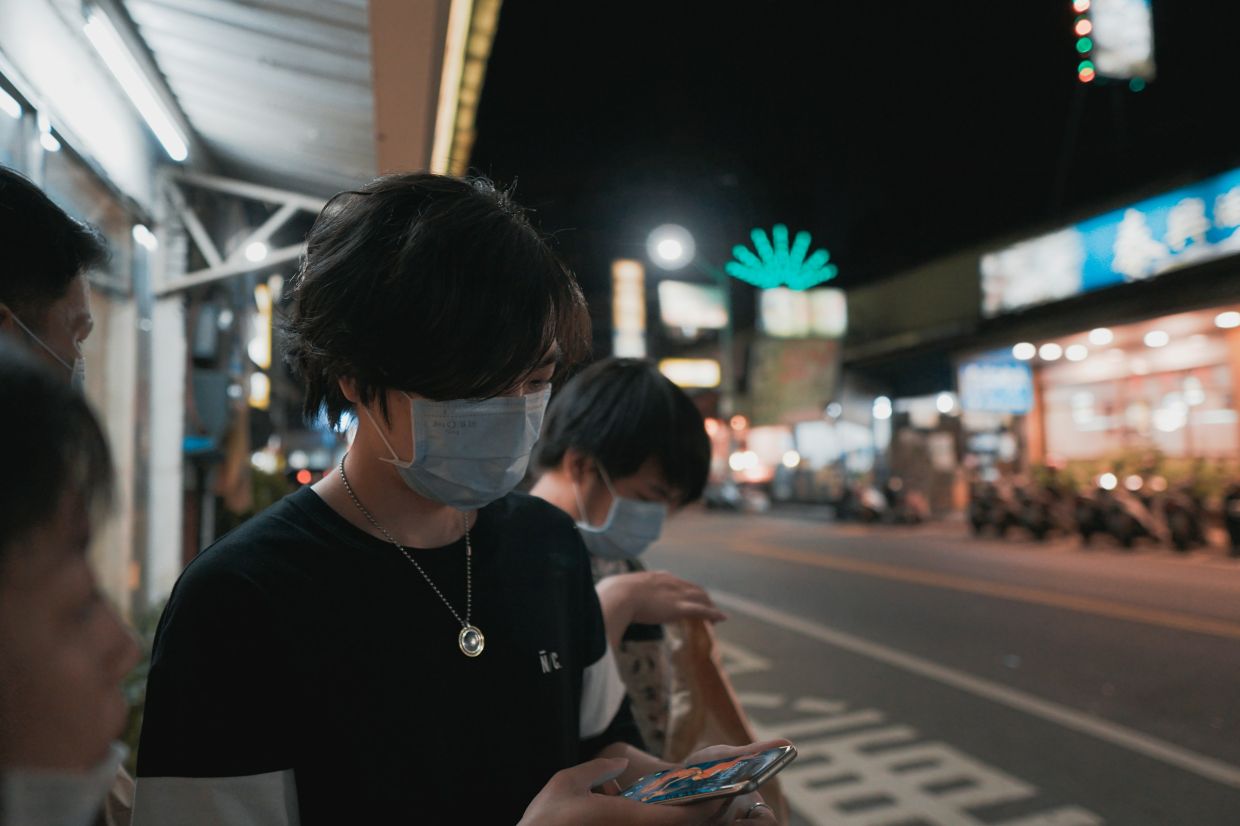
Taiwan is preparing its population for the prospect of severed communications by conducting its first-ever simulation of widespread mobile internet disruptions, a significant escalation in how the self-governed island is stress-testing its emergency response systems. The planned exercises on August 10 in central Taiwan and August 13 in the north, including the capital Taipei, will intentionally degrade cellular data speeds to levels that make video streaming and content viewing nearly impossible, according to national security officials who disclosed details of the initiative on July 20.
The timing and scope of these drills reflect deepening concerns about Taiwan's vulnerability to both military aggression and natural calamities. Rather than treating these scenarios as theoretical abstractions, Taipei's security establishment has concluded that citizens and households need practical experience adapting to communication infrastructure failures. Between 2:30 pm and 3 pm on the designated dates, residents in affected zones will experience sharply reduced mobile data capacity, though traditional voice calls, text messaging, and landline broadband connections will remain operational. This carefully calibrated approach allows authorities to test public behaviour without completely severing access to critical communication channels.
The underlying rationale extends beyond theoretical preparedness. Officials emphasized that the exercise aims to prompt households to develop contingency plans for contacting family members during emergencies, as well as to educate the public about alternative information sources regarding shelter locations and relief distribution points. The deteriorating security environment surrounding the Taiwan Strait has forced Taipei's planners to move beyond conventional disaster drills toward scenarios that assume the collapse of normal infrastructure. By familiarizing citizens with degraded connectivity, authorities hope to reduce panic and confusion if such disruptions actually occur.
Taiwan's strategic position has become increasingly precarious in recent years. China has maintained a relentless posture of military intimidation through near-daily incursions by air and naval forces, coupled with periodic large-scale exercise demonstrations explicitly designed to rehearse military operations against the island. Beijing has consistently refused to renounce the use of force as a means of asserting control over Taiwan, treating such threats as both deterrent messaging and genuine operational planning. This sustained pressure has forced Taiwan's security officials to abandon optimistic assumptions about conflict scenarios remaining limited in scope or duration.
The August drills represent only the opening phase of an expanding exercise framework. Officials indicated that future iterations will extend beyond mobile internet throttling to encompass broader telecommunications network disruptions, potentially affecting satellite communications, landline systems, and other critical digital infrastructure. This incremental expansion suggests that Taiwan's planners are designing a comprehensive stress-test of societal resilience, moving methodically from less disruptive to more severe simulation scenarios.
Beyond communications resilience, the August exercises will simultaneously evaluate evacuation logistics, hospital surge capacity, and emerging technologies such as drone-based delivery of medical supplies and essential commodities. This multifaceted approach acknowledges that modern conflict or disaster scenarios would simultaneously stress multiple systems. By integrating communications disruption drills with medical infrastructure expansion and supply chain testing, Taiwan is attempting to develop integrated responses rather than isolated departmental protocols.
The vulnerability of communications networks to disruption during warfare or major disasters has been extensively documented in recent conflicts and natural catastrophes worldwide. Taiwan's decision to simulate such scenarios reflects lessons learned from events ranging from the 2011 Japan earthquake to ongoing conflicts where communications breakdowns have significantly hampered emergency response coordination. By proactively training the civilian population to function under degraded connectivity, Taiwan seeks to avoid the cascading failures observed when populations suddenly lose access to information and coordination mechanisms.
For Malaysia and other Southeast Asian nations, Taiwan's approach offers relevant lessons about emergency preparedness in an increasingly unstable regional environment. The region faces comparable threats from natural disasters and potential military escalation, yet most countries have not yet implemented comparable communications resilience drills. Taiwan's willingness to openly acknowledge military contingencies in its planning, rather than euphemistically framing exercises around natural disaster scenarios alone, represents a significant departure from diplomatic convention.
China's stated commitment to continued military operations around Taiwan, including maritime patrols east of the island following Japan and the Philippines' announcement of boundary delimitation talks, ensures that the security pressures driving these drills will persist and likely intensify. Taiwan's strategic planners are essentially betting that public familiarity with communication disruptions will translate into greater societal resilience if actual conflict erupts, reducing the psychological shock and operational confusion that typically accompanies infrastructure failures.
The civilian dimension of Taiwan's military preparedness strategy deserves close attention from regional observers. Rather than concentrating exclusively on military countermeasures, Taiwan is systematically preparing its entire population to endure the civilian consequences of sustained conflict or major disaster. This represents a fundamental strategic calculation that military deterrence alone may prove insufficient, necessitating a population psychologically and practically prepared for extended periods of severely degraded normal conditions.

