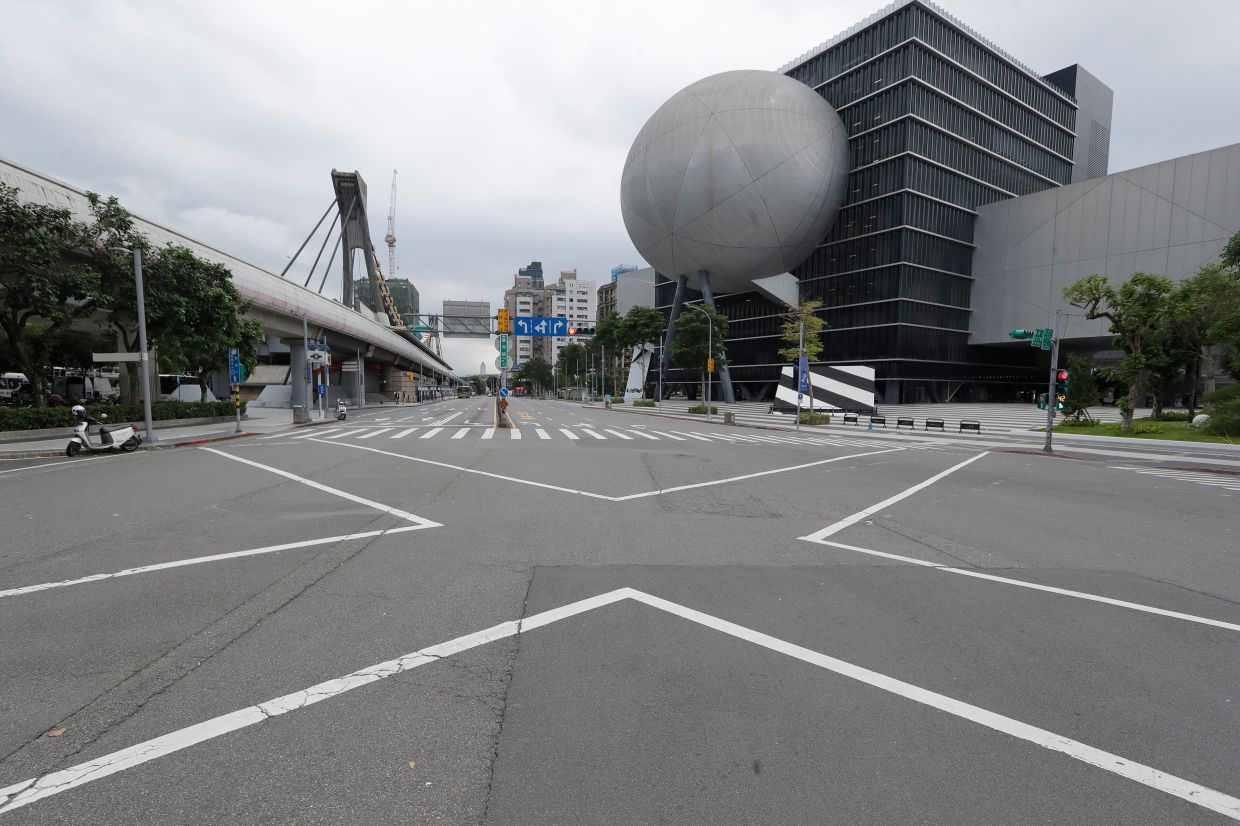
Taiwan's telecommunications infrastructure came to a grinding halt on August 13 when mobile carriers throttled internet speeds to 256 Kbps—a dramatic departure from the blazing 5G connections normally available in the island's major urban centres. The slowdown, which affected residents in Taipei and six other cities and localities, formed part of the final phase of Taiwan's Han Kuang exercises, the island's most comprehensive annual military drills that commenced the previous week. The deliberate network restriction rendered streaming, video calls, and most data-heavy applications unusable, leaving the public to rely on text-based communication for several hours.
This year's Han Kuang drills represent a fundamental shift in Taiwan's approach to civil defence preparedness. Rather than confining exercises to military installations and designated drill zones, authorities have significantly escalated the scope and realism of operations by incorporating reservists and substantially expanding civilian participation. The strategic pivot reflects growing acknowledgment that any genuine security threat would inevitably disrupt ordinary urban life and infrastructure, necessitating broader public familiarity with emergency protocols and psychological resilience. Previous iterations of urban resilience drills in Taipei proceeded with minimal public disruption, allowing metro passengers to continue their journeys largely unimpeded during simulated air raid scenarios—a criticism that suggested the exercises failed to test genuine emergency response capabilities.
Taiwan's President Lai Ching-te publicly apologised to citizens for the inconvenience caused by the network throttling, framing the disruption as an essential component of national defence readiness. In his statement, Lai emphasised that public cooperation and understanding represented critical elements of Taiwan's broader security framework. The presidential acknowledgment of civilian sacrifice—albeit temporary and limited—signals official recognition that meaningful defence preparation requires shared responsibility extending beyond uniformed personnel. This represents a significant rhetorical shift for Taiwanese leadership, positioning emergency drills not as peripheral military exercises but as collective national endeavours deserving public buy-in.
Coordination between telecommunications operators and local government authorities proved essential to implementing the network slowdown. The standardised reduction of mobile web traffic to 256 Kbps across multiple carriers demonstrated impressive logistical coordination, ensuring consistent conditions for testing emergency communication systems and civilian adaptation. This technological constraint, reminiscent of internet speeds from the early 2000s, effectively eliminated video streaming, social media browsing, and real-time data services—forcing reliance on the most basic digital communication method. For residents accustomed to instantaneous connectivity, the experience provided visceral understanding of how infrastructure degradation during genuine crises would fundamentally alter daily communication patterns and information access.
Mtro system closures formed a particularly visible component of Thursday's drills, with station gates sealed to simulate air raid scenarios and allow authorities to practice passenger evacuation and sheltering procedures. Allen Hsieh, a Hong Kong tourist inadvertently caught in the exercise, found himself detained at a Taipei metro station for approximately thirty minutes as part of the simulation. Despite the unexpected disruption to his travel plans, Hsieh expressed appreciation for the drill's authenticity and realism, noting that his initial expectations of receiving only text messages proved accurate. His observation underscores how even foreign visitors recognised the exercise's serious intent and appreciated Taiwan's commitment to practical preparedness, transforming potential frustration into acknowledgment of legitimate security imperatives.
Hospital resilience featured prominently in the drills, with medical facilities practising procedures for relocating critical operations and patient services to underground facilities. President Lai attended one such hospital simulation, observing how healthcare institutions would maintain essential functions during air strikes or infrastructure attacks. This component addresses a particularly vulnerable aspect of Taiwan's civil infrastructure—the concentration of modern medical facilities in above-ground, densely populated urban areas. Testing underground relocation protocols ensures medical systems could sustain operations protecting public health during hypothetical military contingencies, a scenario that would severely stress any healthcare system.
The expanded nature of this year's Han Kuang exercises reflects Taiwan's assessment of current regional security dynamics. As cross-strait tensions persist and Taiwan faces continued military pressure from Beijing, officials have determined that conventional military-only preparations prove insufficient. Genuine security readiness demands that civilian populations understand emergency procedures, accept temporary lifestyle disruptions as necessary precautions, and maintain psychological resilience during crises. The integration of civilians into drills transforms abstract security debates into tangible, lived experiences that foster genuine understanding of stakes involved.
Regional observers have noted Taiwan's deliberate shift toward more demanding civil defence scenarios. The island's approach contrasts with historical patterns wherein military exercises remained largely invisible to general populations, potentially creating complacency about security threats. By deliberately inconveniencing urban residents through network throttling, metro closures, and hospital relocations, Taiwan's military and civilian leadership send clear messages about seriousness of preparedness requirements. This strategy risks generating public backlash if perceived as excessive, yet authorities evidently calculate that realistic experience provides superior preparation compared to abstract messaging about emergency procedures.
The timing of intensified Han Kuang drills coincides with Taiwan's broader efforts to strengthen security partnerships, particularly with Japan and the United States. Demonstrating civilian resilience and institutional preparedness addresses international audiences concerned about Taiwan's capacity to sustain resistance during hypothetical contingencies. When foreign visitors like Hsieh witness coordinated national drills and appreciate their authenticity, such impressions circulate internationally, subtly reinforcing perceptions of Taiwan's serious approach to security challenges.
Looking forward, Taiwan appears committed to expanding the scope of Han Kuang exercises and integrating ever-greater numbers of civilians into preparedness activities. This trajectory suggests future drills may become increasingly disruptive to normal economic activity and daily routines, requiring sustained public communication efforts explaining the strategic rationale for inconvenience. The success of such expanded exercises ultimately depends on maintaining public support and understanding—precisely what President Lai's apology sought to cultivate.

