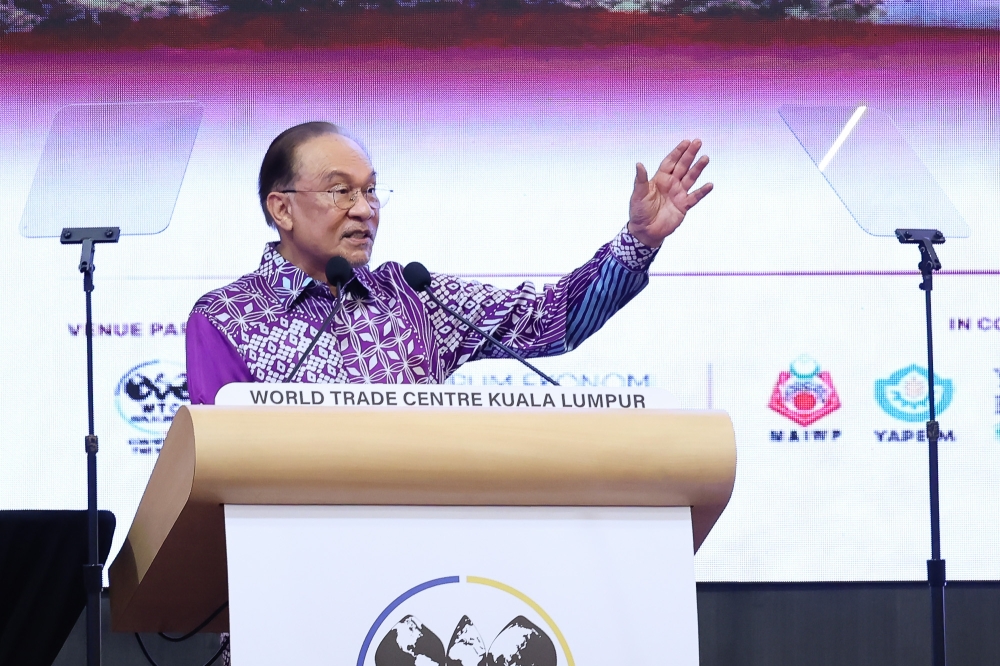
Prime Minister Datuk Seri Anwar Ibrahim expressed confidence in the financial recovery of Tabung Haji, stating that the hajj savings institution has demonstrated meaningful improvement following a comprehensive restructuring programme. Speaking in Kuala Lumpur, he acknowledged that previous administrations had delayed taking decisive action on the fund's deteriorating position, a decision he suggested had prolonged the organization's difficulties.
Tabung Haji, which manages savings for Malaysian Muslims preparing for their pilgrimage to Mecca, faced significant financial challenges that prompted the establishment of a Royal Commission of Inquiry to investigate the root causes of its decline. The fund serves approximately 8.7 million members and holds considerable religious and cultural significance within the Muslim community. The revelation of its financial troubles had sparked considerable public concern and debate about governance and accountability within the institution.
Anwar indicated that the government has implemented structural and operational changes aimed at stabilizing the fund and restoring public confidence. These measures reflect a broader effort by the current administration to address inherited problems within state-linked institutions. The Prime Minister's statement suggests that early indications from these reforms have been positive, though specific financial metrics or operational improvements were not detailed at this stage.
The Royal Commission of Inquiry was tasked with examining how Tabung Haji's financial position had deteriorated significantly, requiring intervention and restructuring. The investigation was expected to shed light on management decisions, investment strategies, and governance failures that contributed to the fund's challenges. Officials have indicated that the comprehensive report would provide transparency to stakeholders and the general public about what occurred and recommendations for preventing similar issues in the future.
Anwar's acknowledgement that previous governments had deferred from addressing Tabung Haji's problems carries broader political implications for discussions about administrative accountability and institutional oversight. The delay in tackling the crisis meant that recovery efforts would necessarily be more intensive and costly than if problems had been identified and addressed earlier. This pattern reflects challenges across several Malaysian institutions that faced mounting difficulties before recent attention and intervention.
For the Muslim community, Tabung Haji's stabilization is particularly important given the fund's integral role in facilitating pilgrimage aspirations. Members depend on the institution to safeguard their savings while providing competitive returns that support their religious goals. Trust in the organization's management and financial security is essential for maintaining participation and confidence. The reform measures therefore represent more than technical financial adjustments; they address fundamental questions about institutional integrity and fiduciary responsibility.
The forthcoming Royal Commission of Inquiry report will be closely scrutinized by multiple constituencies, including fund members, religious authorities, lawmakers, and civil society organizations. The document is expected to contain detailed findings about past management performance and specific recommendations for strengthened governance frameworks. Release of the report marks a significant step toward transparency, though implementation of recommendations will require sustained commitment and resources.
Anwar's comments reflect the government's positioning of Tabung Haji's recovery as evidence of its capacity to manage institutional crises effectively. However, the broader financial services sector in Malaysia will be watching closely to assess whether the reforms produce sustainable improvements or whether deeper structural issues persist. The fund's performance in coming months and years will indicate whether the corrective measures have genuinely addressed underlying weaknesses or merely stabilized the institution temporarily.
For Malaysian investors and the broader pension and savings ecosystem, Tabung Haji's situation underscores the importance of regulatory oversight and independent monitoring of fund management. The institution's difficulties prompted wider discussions about how such large pools of public resources can be protected from mismanagement or poor investment decisions. Lessons from Tabung Haji's experience are likely to inform enhanced oversight mechanisms across other savings schemes and state-linked entities.
The timing of the Royal Commission of Inquiry report's release will be closely watched, as it may reveal additional details about the extent of losses incurred and timelines for full recovery. Anwar's assurance that the fund is moving in the right direction represents an important signal to members who have anxiously awaited confirmation that their savings are being properly managed. Whether the reform programme ultimately succeeds in restoring Tabung Haji to its former status as a trusted institution will depend on consistent execution and demonstrated financial performance over an extended period.

