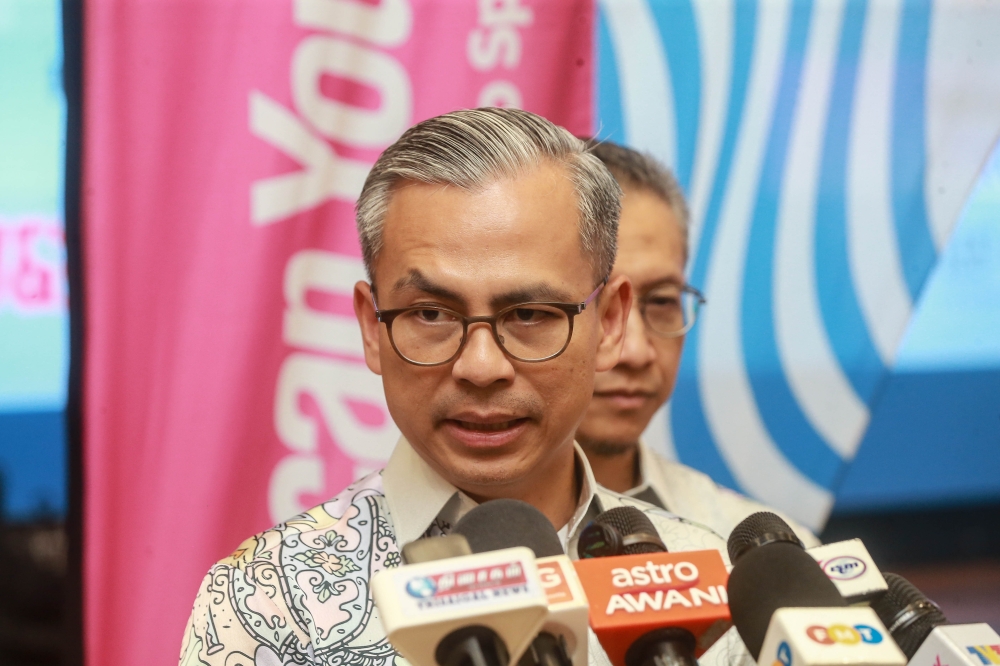
Communications Minister Fahmi Fadzil confirmed that the Royal Commission of Inquiry (RCI) report examining Lembaga Tabung Haji's operations will be transmitted to multiple enforcement agencies for thorough investigation and potential legal action. The decision to distribute the findings across several bodies—the Royal Malaysia Police, Malaysian Anti-Corruption Commission, Bank Negara Malaysia, and Inland Revenue Board—underscores the gravity of the inquiry's conclusions and the multi-faceted nature of the alleged irregularities uncovered during the investigation.
The Tabung Haji pilgrimage savings fund has faced mounting scrutiny in recent years following revelations about significant investment losses and governance concerns. As Malaysia's foremost Islamic financial institution dedicated to facilitating hajj pilgrimages for Muslim citizens, the institution's troubles have resonated deeply across the nation's religious and Muslim communities. The establishment of the RCI itself represented a significant step in formally examining the institutional failures and potential misconduct that contributed to the fund's deteriorating financial position and reputation.
Fahmi's announcement signals that authorities view the RCI's investigative work as producing substantive evidence warranting criminal inquiry rather than merely administrative remediation. By referring the report to the police, the government indicates that potential criminal offences may have occurred within Tabung Haji's operations. Simultaneous referral to the Malaysian Anti-Corruption Commission suggests that corruption-related charges could be pursued, a development that would carry severe implications for any individuals found culpable. The involvement of Bank Negara Malaysia, the nation's central banking authority, indicates that breaches of financial regulation and prudential standards are under examination, while the Inland Revenue Board's inclusion suggests potential tax-related violations may form part of the inquiry's findings.
For Malaysian pilgrims and their families, who have entrusted considerable sums to Tabung Haji over decades, the RCI's referral represents both vindication of concerns raised and uncertainty about the institution's future trajectory. Many contributors have expressed anxiety about the security of their accumulated savings, particularly given the substantial investment losses reported in preceding years. The formal investigation process initiated through these referrals may provide clarity on whether mismanagement, negligence, or deliberate wrongdoing precipitated the financial crisis, and could inform remedial measures to restore confidence in the institution.
The referral process also carries implications for institutional governance across Malaysia's financial sector more broadly. Tabung Haji's scale and the trust placed in it by millions of Malaysian Muslims make it emblematic of the nation's commitment to serving the religious and financial needs of its Muslim population. Any systematic failures identified through the RCI investigation and subsequent enforcement actions could prompt comprehensive reviews of oversight mechanisms within other Islamic financial institutions and government-linked entities tasked with managing public funds.
From a regional perspective, Malaysia's handling of the Tabung Haji matter demonstrates commitment to transparency and accountability in Islamic finance, a sector of growing importance across Southeast Asia and globally. Several regional countries have established similar pilgrimage savings schemes, and how Malaysia addresses governance failures and investigates potential misconduct may influence regulatory approaches in neighbouring jurisdictions. The willingness to conduct a public RCI and refer findings to multiple agencies contrasts with opacity that has historically characterised institutional crises in some other regional economies.
The complexity of distributing the RCI report across four separate agencies also reflects procedural realities of Malaysian governance. The police will likely investigate allegations of criminal conspiracy, fraud, or dishonesty; the MACC will focus on corruption and abuse of authority dimensions; Bank Negara will assess regulatory compliance failures and potential violations of banking guidelines; and the Inland Revenue Board will examine whether tax obligations were fulfilled appropriately. This institutional compartmentalisation, while ensuring specialised scrutiny, also requires careful coordination to prevent duplication and ensure consistent investigative standards.
The timeline for completing these investigations remains uncertain. Complex financial inquiries involving large institutions typically require extensive documentation review, witness interviews, and forensic analysis. Individuals named in the RCI report as having supervisory or operational responsibility will likely face intense scrutiny, with potential consequences ranging from administrative sanctions to criminal prosecution depending on investigators' findings and prosecutorial decisions.
Stakeholders within Tabung Haji itself—current management, board members, and staff—now face the prospect of heightened regulatory attention and potential legal jeopardy. The institution's operational continuity and ability to serve pilgrims seeking hajj financing may be affected during the investigation period, though authorities have presumably considered continuity planning given the institution's essential role in facilitating religious obligations for Malaysian Muslims.

