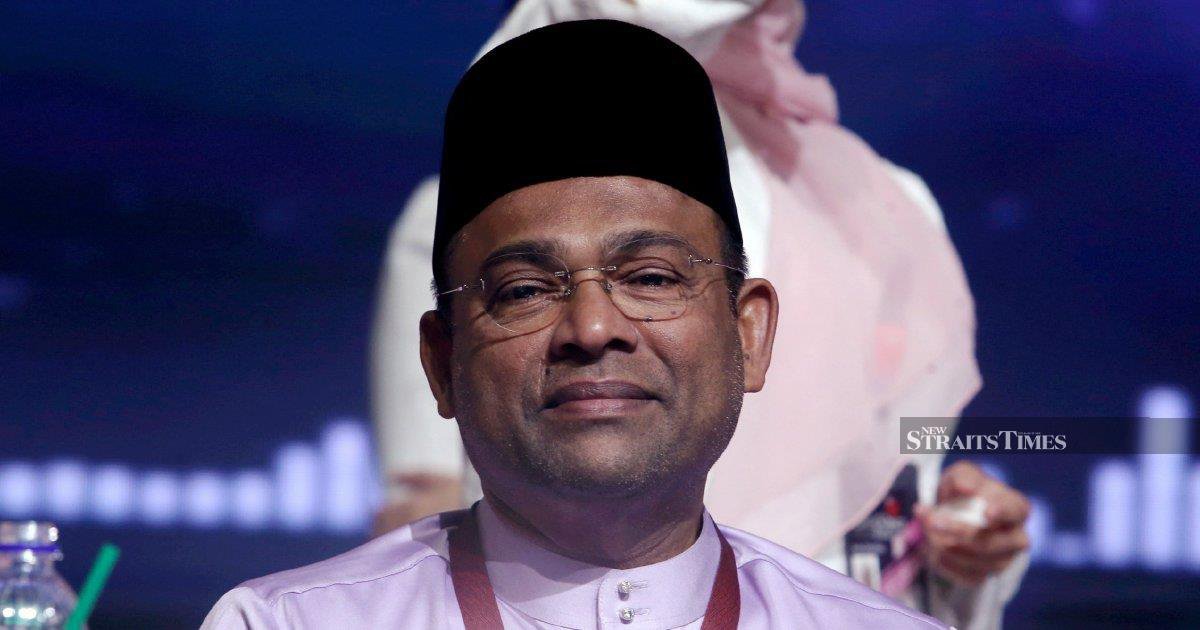
Datuk Seri Abdul Azeez Abdul Rahim, who previously headed Tabung Haji, has responded dismissively to political pressure from Bersatu demanding that he clarify his contact with the Malaysian Anti-Corruption Commission regarding findings from the Royal Commission of Inquiry into the pilgrim fund's operations. The former chairman's rebuff reflects the intensifying scrutiny surrounding the massive financial losses that have plagued Malaysia's premier hajj savings institution in recent years.
The Royal Commission of Inquiry was established to investigate the circumstances that led to Tabung Haji's precipitous financial deterioration, which saw the fund report significant losses and forced a major restructuring of its operations and governance framework. The investigation examined the conduct of senior management, investment strategies, and corporate oversight mechanisms that may have contributed to the institution's troubles. As the findings circulated among regulatory and enforcement authorities, questions arose about potential accountability measures and whether individuals would face further scrutiny from anti-corruption investigators.
Bersatu's intervention in demanding transparency about MACC communications signals the political dimensions of the Tabung Haji crisis. The political party has sought to keep public attention focused on the fund's mismanagement, viewing it as emblematic of governance failures that warrant accountability at the highest levels. By pressing Azeez to confirm whether he has been contacted by anti-corruption authorities, Bersatu attempted to elevate the matter into a public accountability question rather than allowing it to remain confined to bureaucratic channels.
Azeez's assertion that his name does not appear in the RCI report provides a potential shield against the accusations being levelled at him through indirect questioning. This claim, if accurate, would suggest that the commission's investigators did not identify him as bearing direct responsibility for the fund's losses or related wrongdoing. However, the absence of explicit naming in an official report does not necessarily preclude investigative interest from law enforcement agencies, who may pursue leads and individuals identified through preliminary inquiries or testimony.
The Tabung Haji scandal represents one of Malaysia's most significant corporate governance failures in recent memory. The fund, which serves as the primary savings vehicle for Malaysian Muslims undertaking the hajj pilgrimage, had accumulated substantial assets through decades of prudent management before encountering dramatic losses that threatened the life savings of hundreds of thousands of contributors. Investigations into the causes of these losses have touched upon questionable investment decisions, inadequate risk management, and governance lapses that allowed problematic transactions to proceed.
For Malaysian stakeholders, particularly the approximately 8 million members whose savings are held by Tabung Haji, the ongoing investigations carry profound implications. The credibility of the institution and confidence in its management directly affect the financial security of millions of Malaysians preparing for or planning future pilgrimages. Any findings suggesting systemic mismanagement or personal misconduct could necessitate further reforms beyond those already implemented to restore public trust and ensure member protection.
The intersection of the RCI findings with potential MACC action reflects Malaysia's multi-layered approach to addressing corporate governance failures. The commission's investigative remit focused on establishing facts and identifying systemic weaknesses, while anti-corruption authorities operate within a separate legal framework designed to pursue criminal liability where evidence warrants prosecution. These parallel processes sometimes create uncertainty about whether specific individuals may face legal consequences based on preliminary findings from investigative bodies.
Azeez's position as former chairman places him at the apex of the management hierarchy during the period when losses accumulated. Corporate governance principles generally suggest that senior leadership bears primary responsibility for institutional performance, investment oversight, and the adequacy of internal controls. His current deflection of inquiry through technical claims about report contents rather than substantive engagement with governance questions may intensify rather than diminish public demand for comprehensive accountability.
The political and public response to the Tabung Haji crisis reflects broader Malaysian concerns about corporate accountability among major financial institutions and state-linked enterprises. Recent years have witnessed heightened scrutiny of governance failures across various sectors, with enforcement agencies and political actors competing for credibility on anti-corruption platforms. The Tabung Haji matter serves as a benchmark case through which Malaysians evaluate whether high-profile individuals face meaningful consequences for institutional failures affecting millions.
Regional observers note that the Tabung Haji situation reflects governance challenges affecting similar institutions throughout Southeast Asia. Pilgrimage-related savings funds operate in multiple Muslim-majority nations, and institutional failures in one jurisdiction raise questions about financial practices across comparable organizations. Malaysia's handling of the Tabung Haji crisis and decisions regarding accountability will likely influence how other countries approach governance at similar institutions serving their religious communities.
Moving forward, the interaction between RCI recommendations, regulatory enforcement, and political accountability remains contested terrain. Stakeholders await clearer guidance on whether MACC will launch formal investigations into individual conduct, whether prosecutions might follow, and what additional safeguards will be implemented to protect members' funds. Azeez's refusal to engage substantively with accountability questions suggests potential resistance to any regulatory outcome that might assign personal responsibility for institutional failures, setting the stage for continued political and legal contention.

