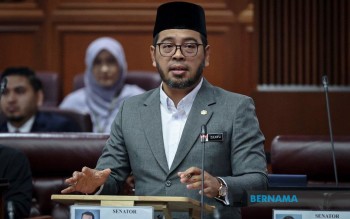
Malaysia's pilgrim fund authority Tabung Haji (TH) is escalating its recovery campaign against Saudi Arabia-based property company Al-Rawda Real Estates Development & Project Management Co Ltd following the latter's failure to honour a substantial arbitration award. The Kuala Lumpur-based institution has received just 14.9 million Saudi riyal out of 899 million riyal that was ordered paid in its favour, prompting the engagement of specialist asset-tracing consultants to locate and recover the outstanding balance. Minister in the Prime Minister's Department (Religious Affairs) Dr Zulkifli Hasan disclosed the situation during a parliamentary briefing on efforts to stabilise TH's finances following publication of a damaging Royal Commission of Inquiry report into the fund's operations.
The arbitration dispute traces back to an unusual commercial arrangement initiated between 2015 and 2017, when TH invested heavily in a hotel leasing scheme managed by Al-Rawda. The fund committed approximately RM1.55 billion in upfront payments to secure management rights over four hospitality properties located in the holy cities of Makkah and Madinah for periods spanning ten to eighteen years. Beyond the initial lease arrangement, TH formalised a separate Management and Operation Agreement with Al-Rawda, establishing an expected annual rental income stream of 2.49 billion Saudi riyal. In what government officials have characterised as an extraordinary rather than conventional transaction, TH accepted only a personal promissory note from Al-Rawda's owner, Dr Mashhoor Ali Omar Almadoodi, as security for these substantial commitments.
The investment structure unraveled when Al-Rawda ceased rental payments in March 2019, forcing TH to initiate legal enforcement proceedings within Saudi Arabia's jurisdiction. Rather than comply with TH's claims, Al-Rawda itself launched arbitration proceedings against the fund, initiating a protracted dispute that eventually concluded in TH's favour. The Final Award issued on April 16, 2023 vindicated TH's position and ordered Al-Rawda to remit the full 899 million Saudi riyal compensation. However, the company's subsequent compliance has been minimal and sporadic, with only the partial payment of 14.9 million riyal materialising before Al-Rawda breached even this limited settlement arrangement.
Recognising the developer's apparent insolvency, TH attempted negotiation through a formal settlement agreement negotiated in November 2024. This framework was intended to provide Al-Rawda with a structured pathway to discharge its debt while offering TH realistic prospects for recovering at least a portion of the arbitration award. When Al-Rawda abandoned compliance with the settlement terms, TH terminated the agreement and pivoted toward more aggressive recovery strategies. The fund has now appointed professional consultants specialising in asset tracing and recovery to investigate Al-Rawda's financial holdings, identify accessible assets, and pursue enforcement mechanisms within Saudi Arabian and potentially international legal systems.
The Al-Rawda debacle exemplifies the broader investment failures that prompted establishment of the Royal Commission of Inquiry into TH's governance and operational practices. The RCI identified Al-Rawda as one of fourteen severely problematic investments across the fund's portfolio, collectively responsible for losses totalling billions of ringgit. These investments reflected systematic weaknesses in due diligence procedures, risk assessment frameworks, and contract negotiation standards that characterised TH's operations during the 2014 to 2020 period under review by the inquiry.
Publicly disclosed on July 29, the RCI's 211-page report documented numerous governance deficiencies and recommended twenty-five substantive improvement measures addressing institutional structures, investment procedures, and financial controls. As of late July, TH management confirmed implementation of approximately 75 per cent of these recommendations, signalling government commitment to preventing recurrence of the practices that generated such substantial financial losses. The RCI process itself commenced in 2021, with formal appointment of inquiry members occurring in January 2022, and the completed report was submitted to the Malaysian King on August 30, 2022.
For Malaysian pilgrims and the wider Muslim community reliant on TH's services, the Al-Rawda situation represents a troubling manifestation of institutional dysfunction that undermined the fund's financial stability and operational reliability. The decision to commit RM1.55 billion in upfront payments while accepting only a personal guarantee from a single individual reflected governance standards substantially below those expected of major financial institutions managing public assets. Similarly troubling was the apparent absence of effective due diligence mechanisms that might have identified warning signs regarding Al-Rawda's financial capacity and track record prior to TH's substantial commitments.
The recovery efforts now underway demonstrate TH's determination to pursue every available legal and commercial avenue for retrieving funds misallocated through failed investments. The engagement of specialist asset-tracing firms represents a sophisticated enforcement approach designed to overcome apparent financial opacity surrounding Al-Rawda's operations. However, successful recovery remains uncertain, given the company's demonstrated unwillingness to comply with formal arbitration awards and its apparent financial constraints. For TH, the situation illustrates the severe consequences of inadequate investment governance and the protracted recovery processes required when substantial institutional assets are deployed into problematic ventures requiring restructuring and rehabilitation.
Looking forward, TH's enhanced institutional governance framework and strengthened investment procedures should substantially reduce the likelihood of similar situations recurring. The fund's evolution from an institution troubled by systematic operational and financial management weaknesses toward one with robust oversight mechanisms represents significant progress toward restoring the confidence essential for fulfilling its mandate to facilitate pilgrimage for Malaysian Muslims and manage their accumulated savings effectively. The Al-Rawda recovery campaign will continue in parallel with these broader institutional reforms.

