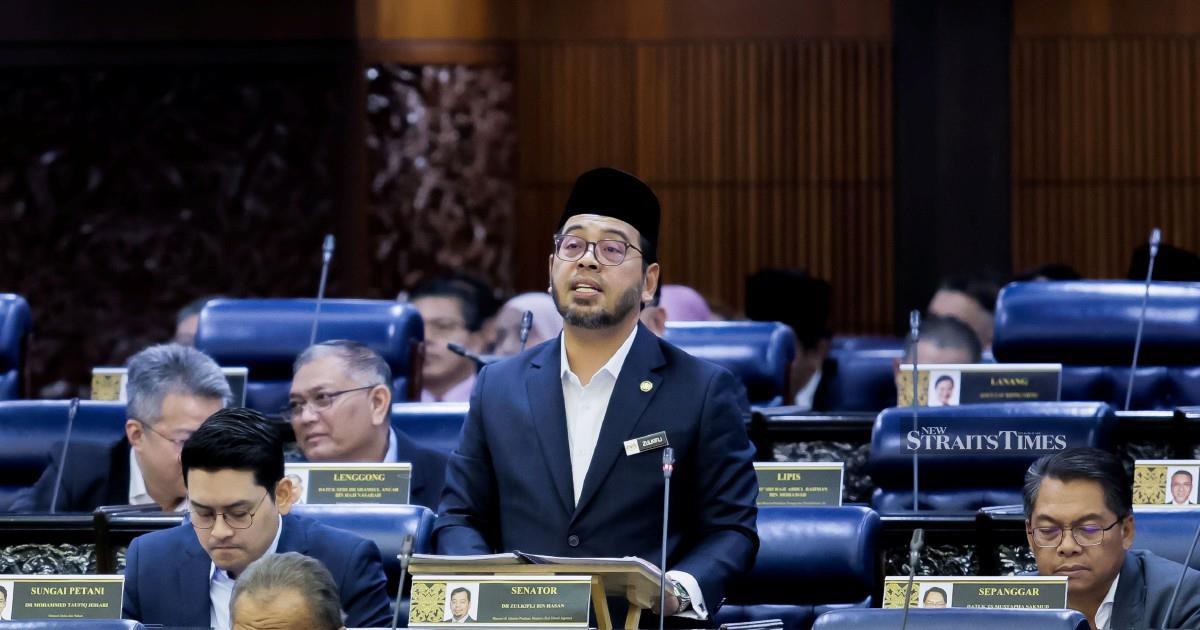
Tabung Haji has moved swiftly to escalate its response to the Royal Commission of Inquiry findings by lodging 12 reports with both the Royal Malaysian Police and the Malaysian Anti-Corruption Commission, signalling its commitment to addressing potential wrongdoing identified during the investigation into the pilgrimage fund's management.
The Islamic pilgrimage fund's decision to file complaints across multiple law enforcement agencies reflects the scope and seriousness of the issues uncovered by the RCI. By engaging both the police and MACC—Malaysia's primary anti-corruption watchdog—Tabung Haji has demonstrated a willingness to pursue legal remedies and ensure accountability through the appropriate investigative channels. This dual-track approach allows for comprehensive examination of the matters raised, as the two agencies possess complementary investigative powers and jurisdictions.
For Malaysian Muslims and pilgrims, the Tabung Haji initiative carries significant weight. The institution serves as a crucial savings vehicle for millions of Malaysians planning to undertake the Hajj pilgrimage to Mecca, one of the Five Pillars of Islam. Any irregularities in its management directly threaten the retirement savings and religious aspirations of account holders. The RCI's investigation, therefore, addressed concerns that extended well beyond corporate governance into the realm of public trust and religious obligation.
The filing of these reports represents a notable shift in how Tabung Haji has addressed allegations and findings in recent years. Rather than treating the RCI outcomes as an internal institutional matter, the fund has chosen transparency through engagement with external law enforcement authorities. This approach demonstrates recognition that credibility restoration requires independent investigation and potential prosecution of those responsible for any misconduct.
The scale of the 12 reports suggests the RCI inquiry uncovered multiple instances or categories of alleged irregularities, each warranting separate investigation. These could potentially involve financial mismanagement, breach of fiduciary duty, corruption, or fraud spanning different periods or operational divisions within Tabung Haji. The decision to file separate reports, rather than consolidating findings into one comprehensive complaint, suggests that investigators may have identified distinct patterns of concern requiring targeted scrutiny.
Regionally, Tabung Haji's situation has drawn attention across Southeast Asia, where several countries operate similar Islamic pilgrimage funds. Indonesia, for instance, manages the Tabung Amanah Pembangunan Umat Islam, and other nations have comparable institutions. The Malaysian experience serves as a cautionary tale about the necessity of robust governance frameworks, independent auditing, and regulatory oversight for institutions entrusted with the sacred savings of believers. Other jurisdictions are monitoring how Malaysian authorities handle the Tabung Haji matter as a case study in institutional accountability.
The involvement of the MACC holds particular importance given its mandate to combat corruption and enhance governance standards. Should MACC's investigation confirm wrongdoing, it may lead to charges under the Malaysian Anti-Corruption Commission Act 2009, a framework designed specifically to hold public officials and those managing public funds accountable. The police investigation, meanwhile, could result in criminal charges under the Penal Code, covering offences ranging from criminal breach of trust to theft or fraud depending on the nature of the alleged misconduct.
For Malaysian investors and account holders, these developments offer mixed signals. While the willingness to pursue legal action suggests institutional commitment to accountability, the mere fact of an RCI investigation indicates that serious problems existed. Many account holders face uncertainty about the security of their funds and whether past transactions were conducted properly. The outcomes of the police and MACC investigations will be critical in determining whether corrective measures can restore confidence in the institution.
The timing of Tabung Haji's report filings also matters strategically. By proactively submitting complaints rather than waiting for external pressure or independent complaints to emerge, the fund positions itself as cooperative with authorities and genuinely concerned with accountability. This stance may influence how both the public and regulators perceive the institution's current management and their commitment to reform.
Looking forward, the outcome of these investigations will reverberate through Malaysia's financial sector and among the Muslim community specifically. If the reports lead to convictions and meaningful consequences for those involved in misconduct, Tabung Haji's credibility may recover. Conversely, if investigations appear superficial or produce minimal accountability, public trust—already damaged by the RCI process itself—may deteriorate further. The next phase of this unfolding situation will test not only Tabung Haji's institutional resilience but also the effectiveness of Malaysia's law enforcement and anti-corruption mechanisms.

