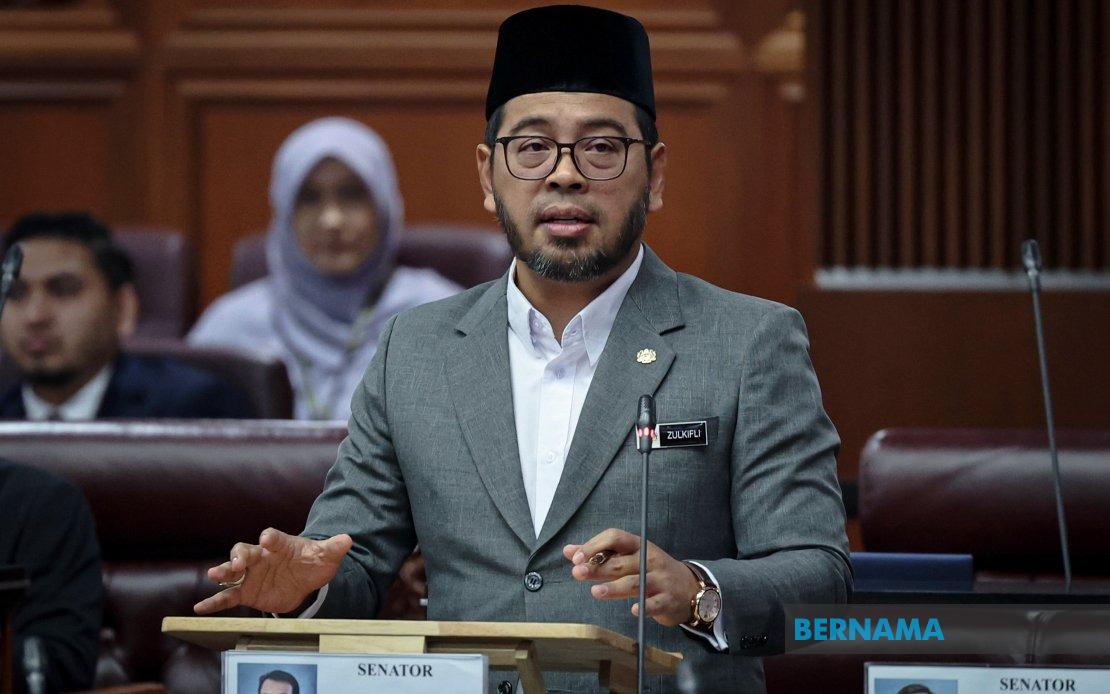
Tabung Haji depositors can rest assured their zakat obligations have been properly discharged in full compliance with Islamic law, according to Religious Affairs Minister Dr Zulkifli Hasan, who presented this reassurance during a special parliamentary sitting discussing the institution's broader financial restoration efforts.
Zulkifli's statement addresses long-standing concerns about the pension and savings fund's zakat practices, which have come under particular scrutiny following the Royal Commission of Inquiry report released in July this year. The minister emphasised that Tabung Haji's Syariah Advisory Committee ruled in September 2020 that all zakat payments made on behalf of depositors before the wakalah concept was introduced in 2019 were valid and fully compliant with Islamic principles.
The foundation for current practice traces back to a significant ruling by the National Fatwa Committee for Islamic Religious Affairs Malaysia issued on 3 May 1979. This fatwa established that while Tabung Haji itself is not subject to zakat obligations, the institution bears a religious duty to discharge zakat on behalf of its depositors. Zulkifli emphasised that the institution has consistently honoured this obligation without interruption since that ruling was issued more than four decades ago.
For the period from 2016 to 2019, when the Wadiah Yad Damanah contract governed depositor relationships, Tabung Haji paid business zakat in collective form across the pooled funds that were actively traded. This arrangement meant zakat was calculated on the combined depositor funds rather than individual accounts, a practice that has now been clarified and endorsed by Islamic authorities.
The minister specifically addressed the Royal Commission's recommendation that zakat-related matters be examined by the National Council for Islamic Religious Affairs Muzakarah Committee. Zulkifli confirmed this referral had been completed, with the committee endorsing Tabung Haji's practices in June 2024. These views were subsequently presented to the 267th Meeting of the Conference of Rulers in October 2024, providing highest-level approval across Malaysia's Islamic governance structure.
Tabung Haji's zakat operations are now formally guided by comprehensive Zakat Guidelines that have received approval and ongoing monitoring from the institution's Syariah Advisory Committee, comprising recognised experts in Islamic law and Islamic finance. This oversight structure provides additional assurance to the approximately 9 million depositors who depend on the fund for their retirement savings and pilgrimage aspirations.
Beyond zakat clarifications, Zulkifli indicated that Tabung Haji is implementing structural improvements to its hajj management policies, responding to recommendations from the 211-page RCI report released to the public on 29 July. These enhancements centre on establishing clearer eligibility criteria and waiting period frameworks that better reflect Islamic principles of istito'ah, or financial ability to perform the pilgrimage.
The proposed changes seek to create a more transparent and systematic hajj planning framework for depositors, emphasising early preparation and realistic sequencing of pilgrimage participation. This represents a significant operational shift for an institution that has historically faced criticism regarding hajj queue management and fairness in allocating pilgrimage slots.
The Royal Commission of Inquiry was formally established in 2021, with members appointed on 20 January 2022, following sustained public concern about Tabung Haji's financial management and governance standards. The subsequent report contained 25 specific recommendations for organisational improvement. As of 30 July this year, Tabung Haji had successfully implemented 75 per cent of these recommendations, demonstrating substantial progress in addressing identified weaknesses that emerged during the 2014 to 2020 period examined by the commission.
For Malaysian Muslims, this clarification carries practical importance given that approximately one-third of hajj pilgrims from Malaysia use Tabung Haji as their primary funding mechanism. The assurance regarding zakat compliance is particularly significant for lower-income depositors who may be simultaneously managing personal zakat obligations alongside their Tabung Haji savings.
The parliamentary briefing represents part of the broader government effort to restore public confidence in an institution that has faced considerable reputational damage following previous scandals and financial difficulties. Minister Zulkifli's emphasis on regulatory compliance and Islamic authority endorsement suggests the government is pursuing a dual strategy of demonstrating both procedural correctness and alignment with Malaysia's established Islamic governance framework.
As Tabung Haji continues implementing the remaining 25 per cent of RCI recommendations, depositor confidence will likely depend on consistent transparency about ongoing reforms and continued adherence to the Islamic and regulatory standards that have now been publicly reaffirmed across multiple levels of Malaysia's governance hierarchy.

