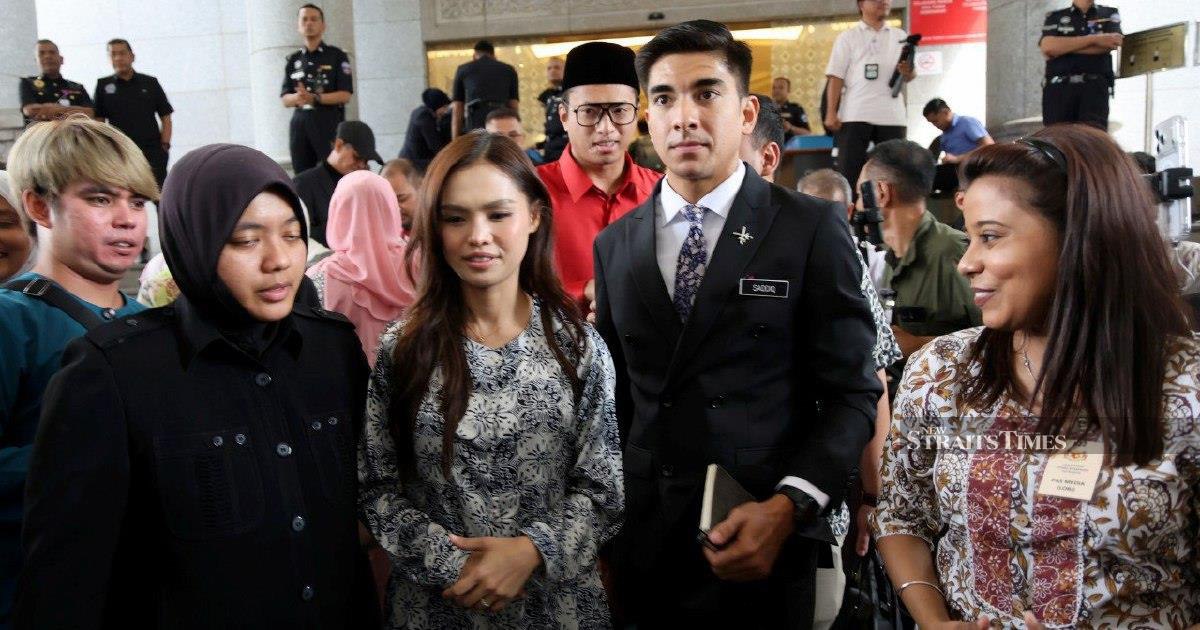
The Muar parliamentary representative Syed Saddiq Syed Abdul Rahman has indicated that consolidating his personal life remains his immediate focus, effectively delaying any imminent return to the helm of the Muda party despite his recent legal victory in court.
The young politician's stance represents a significant moment of reflection following his acquittal, which cleared legal hurdles that had previously complicated his political standing. Rather than capitalising immediately on his exoneration, Syed Saddiq appears to be recalibrating his life trajectory to balance personal commitments alongside his professional obligations to his constituents.
In Malaysian politics, where leadership transitions and power consolidations often occur swiftly following pivotal legal outcomes, Syed Saddiq's measured approach stands out. His decision to prioritise marriage before entertaining thoughts of resuming party leadership demonstrates a maturity in recognising that political roles demand undivided attention and comprehensive personal stability. For a politician of his generation, such deliberation signals awareness that personal crises can easily derail political momentum.
Muda, the Malaysian United Democratic Alliance, has experienced considerable turbulence since Syed Saddiq stepped back from its leadership. The party, which positioned itself as a vehicle for youth-driven political reform and fresh governance approaches, has navigated internal challenges and questions about direction in his absence. His potential return would undoubtedly reshape party dynamics and reinvigorate debates about Muda's trajectory within Malaysia's fractious political landscape.
For Malaysian observers tracking the regeneration of younger political leadership, Syed Saddiq's situation encapsulates broader questions about how emerging politicians juggle personal obligations with institutional responsibilities. His decision reflects pragmatic recognition that sustainable political careers require personal foundations strong enough to withstand public scrutiny and the relentless demands of maintaining political relevance in a highly competitive environment.
The timing of his comments also carries weight within the context of Malaysian politics' recent shifts. As various coalitions recalibrate and younger leaders seek to establish themselves as credible alternatives to traditional political machines, individuals like Syed Saddiq occupy strategic positions. His deliberate approach to re-entry suggests confidence in his long-term political viability rather than urgency to reclaim immediate power.
Court acquittals in Malaysia, particularly those involving prominent political figures, often precipitate rapid strategic repositioning. Political allies seek to reinvigorate partnerships, opponents attempt damage control, and the wider public reassesses credibility and viability. Syed Saddiq's focus on personal matters instead of jumping into leadership contests represents counterintuitive timing that merits attention, signalling he may be playing a longer strategic game.
Within the Muda framework specifically, his absence has created both leadership vacuums and opportunities for others to demonstrate capability. Whether his eventual return would galvanise the party or create internal friction depends significantly on whether any interim leadership structures have solidified or whether the party remains in a holding pattern awaiting his decision.
For younger voters and those invested in generational political renewal in Malaysia, Syed Saddiq's situation embodies the complexities of navigating personal life within the glare of public politics. His willingness to openly discuss marriage plans before leadership ambitions suggests comfort with discussing previously taboo topics around work-life balance, a conversation increasingly resonating with younger demographic cohorts across Southeast Asia.
The broader implications extend to how Malaysian politics will continue incorporating personalities who reject the traditional hierarchy of political commitment superseding all personal considerations. Syed Saddiq's stance implicitly challenges assumptions that serious political aspirants must sacrifice personal fulfilment, potentially reshaping expectations around what constitutes appropriate behaviour for ambitious younger politicians.
As discussions around his possible return to Muda continue, his explicit prioritisation of marriage serves as an interim holding pattern that preserves his options without committing him to any immediate course. This flexibility allows him to monitor party developments, assess coalition opportunities, and ensure his personal circumstances are genuinely stabilised before undertaking leadership responsibilities that demand complete political focus.

