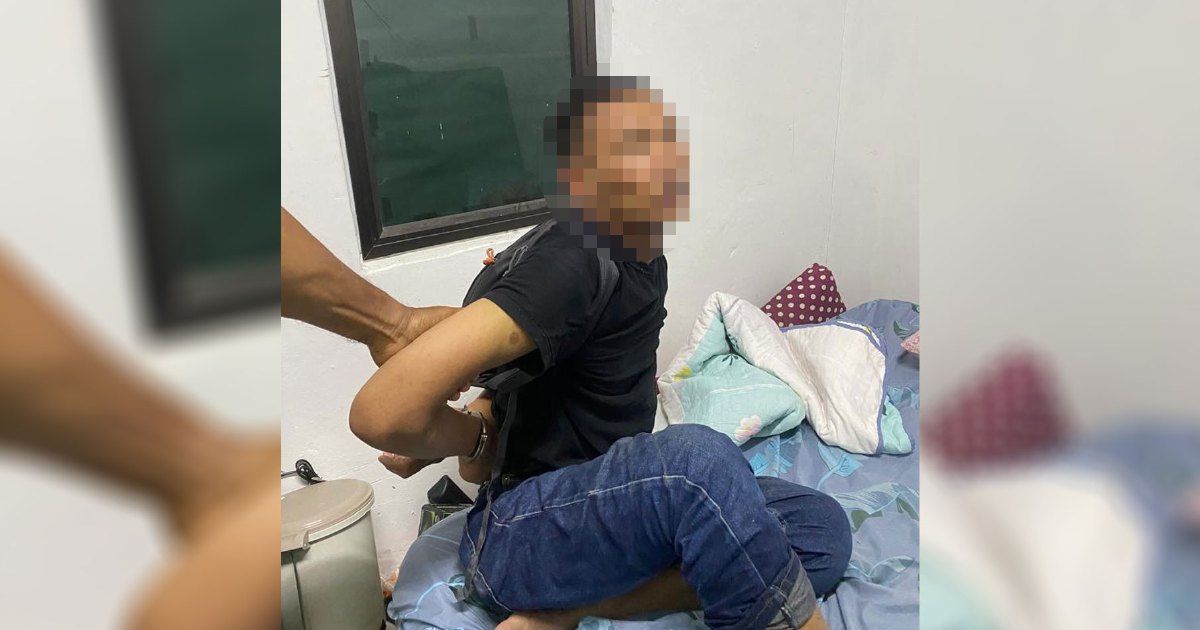
A 48-year-old man was arrested in Johor Baru today after he allegedly unlawfully entered a home in Kampung Melayu Majidee. The arrest came remarkably quickly, with authorities apprehending the suspect within approximately 20 minutes of receiving the initial report, underscoring the effectiveness of rapid police mobilisation in residential neighbourhoods.
The incident highlights the ongoing concern many Malaysian homeowners express regarding property security and residential intrusions. House trespassing cases, though sometimes overlooked in favour of more serious crimes, represent a significant vulnerability for communities and can escalate into more dangerous situations if left unaddressed. The Johor Baru police force's swift action demonstrates the importance of maintaining responsive law enforcement capabilities in populated areas.
Campung Melayu Majidee, a residential area in the heart of Johor Baru, has experienced various security challenges typical of urban neighbourhoods. The rapid apprehension of this suspect suggests that either effective neighbourhood watch coordination exists or that police patrols in the locality are sufficiently active to respond promptly to distress calls. Such quick response times can substantially deter would-be trespassers and criminals from targeting properties in areas where law enforcement presence is visible and reactive.
The circumstances surrounding the man's alleged entry remain under investigation, though police procedures typically examine whether the suspect had legitimate reasons for entering the property or whether criminal intent was involved. The distinction between accidental trespass and deliberate intrusion carries significant legal weight and will likely influence the severity of charges eventually preferred against the detainee.
From a security perspective, this incident serves as a reminder to Malaysian residents that trespassing incidents, regardless of the perpetrator's ultimate intentions, should be reported immediately to authorities. Quick reporting, combined with rapid police response, creates an effective deterrent against opportunistic crime in residential areas. The success demonstrated here—apprehending a suspect within 20 minutes—provides a model for police efficiency that residents across Malaysia should expect and demand from their local enforcement agencies.
The arrest also reflects ongoing efforts by Johor police to maintain order and public safety in urban centres, where population density and property concentration create both challenges and opportunities for law enforcement. Densely populated residential zones require coordination between community members, security systems, and police infrastructure to operate effectively. When these elements align well, as they appear to have done in this instance, the results are tangible and measurable.
Trespassing offences carry various penalties under Malaysian law depending on the circumstances and the perpetrator's intent. The Section 447 offence of criminal intimidation through house entry, or Section 441 relating to criminal trespass, could apply depending on what investigators uncover. These legal provisions exist to protect householders' fundamental right to peaceful enjoyment of their residential spaces and to deter unauthorized entry.
For Johor Baru residents, the incident and its resolution offer cautious reassurance about police capabilities, though it also underscores the reality that no community remains entirely immune from such incidents. Vigilance, proper home security measures including locks, gates, and surveillance systems, alongside community awareness and cooperation with authorities, remain essential components of residential safety strategies.
The broader implications for Southeast Asian law enforcement reflect a region-wide shift toward faster response protocols and improved communication systems. As technology enables more efficient dispatch and coordination, police forces across Malaysia and neighbouring countries are increasingly capable of responding within minutes rather than hours to residential emergencies. This capability, when properly resourced and deployed, significantly impacts crime prevention and public confidence in law enforcement institutions.
Authorities have not yet released further details regarding the suspect's background, any charges to be filed, or the specific circumstances of the alleged trespass. As the investigation progresses, additional information may emerge that either confirms premeditated criminal activity or reveals alternative explanations for the entry. Regardless of the outcome, the incident demonstrates that when residents report suspicious activity promptly and police respond with appropriate urgency, the results can be swift and effective.

